
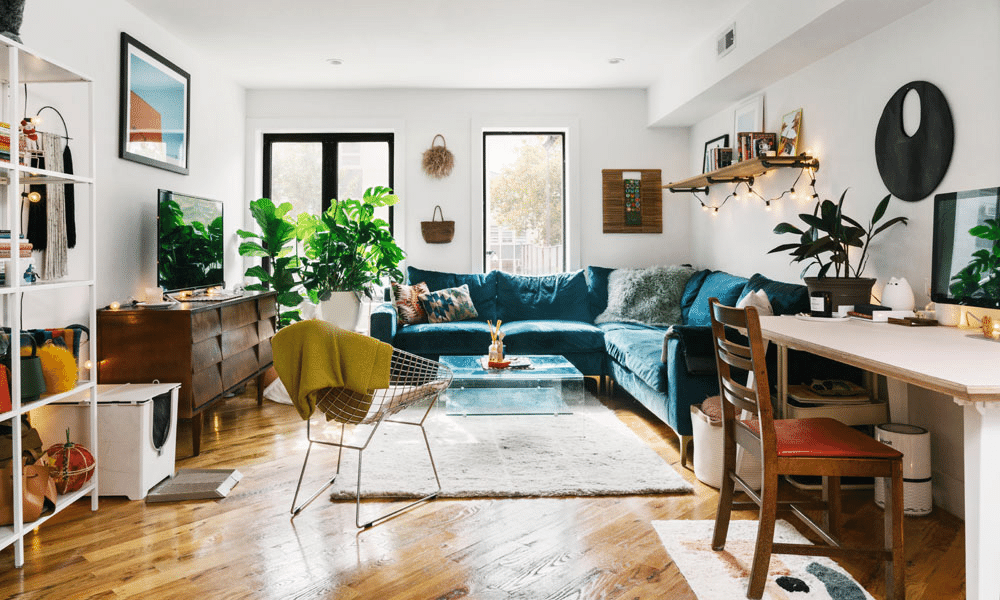
Home Decor That Maximizes Light natural light is more than just a design asset it is a transformative force that alters perception, enhances mood, and energizes spaces. The contemporary home craves brightness and openness, no longer confined by walls that dim the essence of daylight. The quest for bold, luminous interiors has sparked a surge in innovation. Through Light Maximizing Decor, even the most compact and shaded spaces can exude airiness and vibrance.
The Science of Light in Interior Spaces
Before delving into style, one must understand how light behaves indoors. Light, especially natural light, interacts with materials, textures, and color in distinct ways. Reflective surfaces bounce rays, while matte ones absorb them. Warm hues soften brightness, whereas cool tones heighten clarity. Successful Light Maximizing Decor involves a delicate choreography of reflection, diffusion, and direction.
1. Color Schemes: The Power of Pale and Polished
Walls are the first canvas. Pale colors, particularly whites with cool undertones, serve as excellent reflectors. But plain white can feel sterile. Instead, consider sophisticated alternatives—alabaster, pale dove gray, warm ivory, or even a muted sage. These shades not only reflect light but also create depth.
Trim and molding painted in a glossier finish than walls subtly bounce light across the room. This layered approach to paint sheen is an understated yet effective method within the realm of Light Maximizing Decor.
2. Mirrors: The Timeless Amplifiers
Mirrors are the silent conductors of light. Strategically placed, they double the light entering a space and add a touch of classic elegance. Think beyond the basic wall mirror. Mirrored furniture, antique mirror panels, and decorative convex mirrors inject both light and personality.
Placing a mirror directly across from a window creates an illusion of space and brightness. For long hallways or narrow corridors, a sequence of mirrors or mirrored wall panels turns a potential cave into a luminous path.
3. Transparent & Translucent Elements
Where solid structures block, translucent materials invite. Glass, acrylic, and lucite allow light to travel uninterrupted. Swap heavy drapes for sheer curtains that filter daylight with a soft glow. Frosted glass doors in place of solid wood ones diffuse illumination into closed-off rooms.
Furniture made from acrylic or glass keeps sightlines clear, allowing the eyes—and the light—to travel freely. These pieces are integral to Light Maximizing Decor, proving that form and function can seamlessly merge.
4. Strategic Window Treatments
Window dressing should be more whisper than shout. Floor-length linen panels in light colors or bamboo shades that allow filtered light are ideal. Avoid blackout curtains unless needed in bedrooms. Roman shades in airy fabrics offer a tidy aesthetic without compromising sunlight.
The goal is to frame the window rather than obscure it. Let the architecture of the light source shine—literally. Minimalism in window treatments supports the ethos of Light Maximizing Decor: showcasing brightness over bulk.
5. High-Gloss and Reflective Surfaces
Polished surfaces, from lacquered cabinetry to glossy tiles, are allies in light reflection. Kitchens and bathrooms benefit particularly from high-gloss finishes that enhance the impact of both natural and artificial light.
Metallic accents—brushed gold, chrome, or brass—scatter light elegantly. Choose decorative accessories like light-reflective vases, candle holders, or trays to add shimmer throughout the home.
In flooring, opt for lighter woods with satin finishes. Bleached oak, maple, or even whitewashed pine serve both aesthetic and luminous goals. This approach lies at the core of Light Maximizing Decor, where even the ground level plays its part in illumination.
6. Lighting Fixtures That Imitate Daylight
Even the most sun-drenched spaces need artificial lighting. The key is to choose bulbs and fixtures that mimic daylight. LEDs in the 5000K–6500K range provide a crisp, cool light akin to the midday sun.
Layer your lighting: start with ambient (ceiling lights), add task (under-cabinet or desk lighting), and finish with accent (picture lights or sconces). Use dimmers to shift the mood as needed. Translucent or white shades ensure that light disperses gently rather than being harsh or direct.
Chandeliers with crystal or glass pendants scatter light beautifully, acting almost like indoor prisms. A lighting scheme built on diffusion, variety, and mimicry of natural patterns exemplifies refined Light Maximizing Decor.
7. Minimalist Furniture Layout
Crowded rooms feel darker, not only because of physical obstruction but due to visual congestion. A minimalist approach opens sightlines and prevents shadows from forming.
Float furniture away from walls where possible. Leave gaps around pieces to allow light to circulate. Multi-functional furniture, like ottomans with hidden storage or nesting tables, minimizes clutter without sacrificing utility.
The phrase “less is more” resonates deeply in the practice of Light Maximizing Decor, where air, light, and space are treated as luxurious design elements in their own right.
8. Skylights and Solar Tubes
Where windows fall short, architecture can rise to the occasion. Skylights and solar tubes bring daylight into central parts of the home that are typically dark—interior hallways, bathrooms, or closets.
Skylights, especially those with UV-protective coatings, offer direct light without heat overload. Tubular daylighting devices (TDDs), or solar tubes, channel light from the roof to otherwise dark corners, dispersing it through diffusers for even distribution.
These solutions require investment but deliver an unmatched return in ambiance and energy efficiency. In homes that crave brightness, they stand as crown jewels of Light Maximizing Decor.
9. Open Shelving and Glass Cabinets
Traditional cabinetry, especially in kitchens, can obstruct both sight and light. Open shelving systems reduce this visual bulk. Use them to showcase white or reflective dishware, maximizing light bounce.
Glass-front cabinets offer a compromise between storage and openness. Illuminated from within, they serve as ambient lighting sources and aesthetic showcases. Consider under-cabinet lighting to cast a glow across countertops and prevent shadowy workspaces.
The light journey, even in utilitarian spaces like kitchens, finds elevation through thoughtful Light Maximizing Decor strategies.
10. Flooring as a Light Conduit
While walls and ceilings often take the spotlight in decor discussions, floors are vital reflectors. Light-colored, reflective floors enhance brightness. Large porcelain tiles, pale stone, or lightly stained wood extend light further into the room.
Rugs should follow suit—choose lighter hues and natural textures like jute or wool. Avoid heavy, dark textiles that trap both light and heat. Even rug placement matters: center them to anchor space without smothering it.
In Light Maximizing Decor, the floor is not just a foundation; it’s a canvas that reverberates radiance.
11. Art That Echoes Light
Artwork plays a subtle yet powerful role in light manipulation. Avoid dark, brooding canvases in key spaces. Instead, select art with lighter palettes, metallic leaf, or glossy finishes.
Sculptures in glass, ceramic, or metal contribute three-dimensional reflectivity. A gallery wall of white-framed prints or soft watercolors can bring life without absorbing light.
When curating wall art, aim to enhance, not encroach. The goal in Light Maximizing Decor is visual upliftment—let the walls sing in tones of brightness.
12. Ceilings: The Overlooked Reflector
Often ignored, the ceiling has immense potential in a light-enhancing scheme. A brilliant white ceiling is a traditional but powerful tactic. For a more modern touch, consider pale hues with satin or eggshell finishes to subtly reflect light downwards.
Coffered ceilings or ones with metallic or pearlized paint finishes provide unexpected luminosity. In lofts or vaulted spaces, suspended lighting on thin cables prevents visual obstruction while spreading brightness evenly.
The ceiling, when treated as a fifth wall, becomes a silent but effective player in the symphony of Light Maximizing Decor.
13. Interior Plants and Natural Accents
Biophilic design—the integration of nature into interiors—adds life without dimming light. Choose plants with glossy, variegated leaves that reflect rather than absorb sunlight. Rubber plants, snake plants, and peace lilies are excellent choices.
Pot them in light-colored or mirrored planters to further reflect ambient light. Place them near windows or glass doors where they can thrive and contribute to the brightness.
Incorporating nature within Light Maximizing Decor creates a dialogue between indoor and outdoor, emphasizing serenity and spaciousness.
14. Open Floor Plans and Flow
Architectural openness encourages light to roam. Knocking down non-load-bearing walls or using partial dividers instead of full ones allows rooms to borrow light from one another.
Even within existing layouts, clear furniture zoning and consistency in materials can create the feeling of an open floor plan. Avoid heavy visual partitions or high-backed furniture that cuts off light paths.
Design with flow in mind: not only the movement of people but the passage of light. At its core, Light Maximizing Decor is about enabling natural brightness to become a moving, breathing feature of the home.
15. Reflective Artifacts and Accent Pieces
From mirrored trays on a coffee table to mercury glass candle holders on a shelf, small artifacts can make a big impact. These accents distribute pinpricks of light throughout the day, adding dimension and sparkle.
Even books with glossy covers, crystal bowls, or polished ceramics play their part. Scatter them thoughtfully—less is more. A curated approach ensures elegance and prevents the clutter that can dampen visual clarity.
In a finely tuned scheme of Light Maximizing Decor, even the smallest objects become emissaries of illumination.
The pursuit of brighter spaces transcends trend it touches something instinctive. Light enlivens us. It shapes how we experience space and emotion. Through Light Maximizing Decor, homes become sanctuaries of energy, clarity, and calm.
A luminous interior is not defined solely by square footage or window placement, but by intentional design choices. From color palettes and furniture shapes to materials and layout, every detail holds potential to magnify light.
Let light be not just a feature, but the foundation. A well-lit home is not only beautiful—it is invigorating, expansive, and deeply human.



More Stories
Transform Your Home with These Unexpected Decor Hacks
Creative Home Decor: Transforming Spaces with Style and Substance
Sunlit Serenity: 15 Transformative Decor Ideas to Elevate Your Space with Warmth and Whimsy