
Lighting Tips to Maximize Natural Light sunlight is the ultimate designer’s tool. It animates textures, enlivens hues, and imbues interiors with biophilic vitality. To maximize natural light is to harness an ever‑renewing, cost‑free source of warmth and well‑being. These illuminating strategies—ranging from architectural enhancements to simple décor swaps—will help you sculpt sun‑drenched sanctuaries that feel expansive, invigorating, and exquisitely attuned to the rhythms of nature.
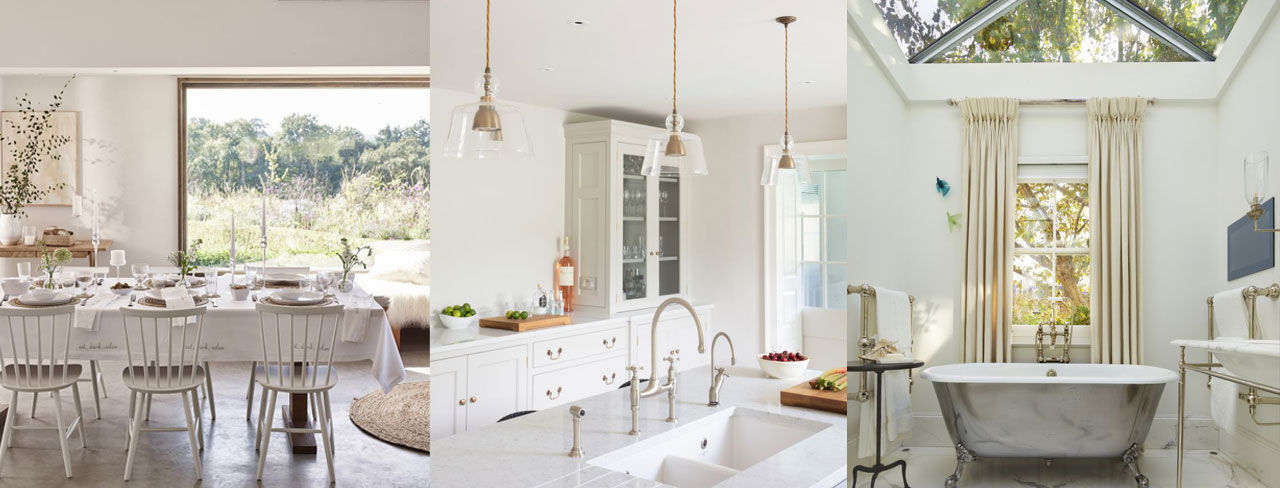
1. Orient Your Furniture for Solar Gain
Positioning is paramount.
- Place reading chairs and work desks adjacent to east‑ or south‑facing windows.
- Avoid blocking window apertures with bulky cabinets or sofas.
- Opt for low‑profile furnishings that allow daylight to permeate deep into the room.
Even a modest rearrangement can significantly maximize natural light, ensuring that every ray finds its way to where it’s needed most.
2. Embrace Sheer Window Treatments
Heavy drapes often thwart solar effulgence. Instead:
- Install sheer curtains in lightweight linens or voile.
- Layer with top‑mounted blackout panels that can be drawn only when privacy or pitch‑black darkness is required.
- Use motorized tracks so sheers glide effortlessly, revealing luminous vistas at a touch.
Sheer fabrics diffuse harsh beams into a gentle penumbral glow, enabling you to maximize natural light without sacrificing comfort.
3. Reflective Surfaces as Optical Amplifiers
Mirrors and glossy finishes act as solar multipliers.
- Hang a large mirror opposite the primary window to double perceived brightness.
- Opt for high‑gloss lacquer on cabinetry or accent walls to bounce light.
- Integrate polished marble or glass‑topped tables to scatter angular reflections across the space.
These tactics forge a kaleidoscopic tapestry of brightness, a surefire way to maximize natural light in every corner.
4. Paint with Luminous, Light‑Reflecting Colors
Color choice can dramatically influence daylight distribution.
- Select a palette of pale neutrals—ivory, eggshell, and soft dove gray—with high light‑reflectance values (LRVs).
- Reserve deeper accent hues for small focal points, not expansive walls.
- Consider a semi‑gloss finish on trim and ceilings to enhance upward light reflectance.
A finely tuned color scheme acts as a vast canvas, coaxing sunlight to linger rather than dissipate.
5. Install Light Wells and Solar Tubes
When windows alone aren’t enough:
- Light wells channel openings down through multiple floors, capturing rooftop daylight and delivering it into interior chambers.
- Solar tubes (or sun tunnels) harness rooftop collectors and pipe concentrated daylight through reflective tubing into dark corridors or windowless bathrooms.
- Both systems require minimal structural intrusion yet yield a constant cascade of natural radiance.
These architectural interventions excel at helping you maximize natural light without adding exterior windows.
6. Leverage Translucent Partitions
Solid walls can become light‑sapping barriers. Instead:
- Use frosted glass panels or polycarbonate screens to delineate zones while allowing daylight to pass.
- Opt for interior French doors with clear glazing to maintain visual continuity.
- Consider sliding glass walls for an open‑plan effect that preserves privacy without sacrificing luminosity.
Translucent dividers dissolve visual weight, ensuring daylight flows fluidly throughout your home.
7. Mindful Skylight Integration
The overhead dimension often goes neglected. Yet:
- Fixed skylights deliver broad, consistent daylight reminiscent of a northern European winter sky—ideal for studios or kitchens.
- Ventilating skylights add fresh air and help dissipate heat build‑up.
- Tubular skylights are compact alternatives for hallways, closets, and pantries.
Properly sited skylights can singularly maximize natural light, flooding spaces that no side window can reach.
8. Strategic Use of Light Shelves
Light shelves are horizontal ledges—either exterior or interior—that bounce sunlight upward onto ceilings.
- Exterior light shelves shield lower walls from overheating while reflecting sunbeams northwards for more diffused light.
- Interior shelves (painted in a bright white with a reflective underside) cast daylight deeper into the room, elevating the ambient glow.
- Combine with adjustable louvers to fine‑tune seasonal variations in sun angle.
These subtler shading devices are pivotal in your quest to maximize natural light with precision.
9. Opt for Low‑Profile Window Frames
Heavy mullions and thick frames can inadvertently obstruct view and daylight.
- Choose slimline aluminum or fiberglass window frames that maximize glass area.
- Consider floor‑to‑ceiling window panels where structural feasibility allows.
- In historic properties, install full‑height casement windows to reclaim lost daylight.
By minimizing frame mass, you enlarge the visual aperture, ushering in more sunlight.
10. Keep Exterior Obstructions in Check
The path from sun to window can be hindered by overzealous landscaping or adjacent structures.
- Prune overhanging branches that cast irregular shadows on windows.
- Position planters and trellises to enhance, not impede, solar access.
- If possible, negotiate with neighbors to ensure that new constructions don’t encroach upon your light wells.
A clear trajectory for daylight is fundamental to truly maximize natural light.
11. Implement Reflective Flooring Treatments
Floors often absorb light, creating a dark visual void. Counteract this by:
- Selecting light‑toned hardwoods or wide‑plank oak with a matte finish to avoid glare.
- Incorporating largeformat porcelain tiles in pale hues with slight sheen.
- Using polished concrete with a reflective sealant for an industrial‑chic solution.
Luminous floors act as secondary reflectors, lifting the overall room effulgence.
12. Harness Seasonal Adaptations
The solar angle shifts across the year; lighting strategies should, too.
- In summer, deploy narrow‑overhang pergolas or adjustable louvers to filter high‑angle mid‑day sun.
- In winter, retract external shading to welcome low‑angle beams that deliver warmth and brightness.
- Use retractable awnings with light‑colored undersides to block glare yet bounce diffused light indoors.
Rhythmic adjustments ensure you perpetually maximize natural light without overheating.
13. Craft Atriums and Internal Courtyards
Where space and budget allow:
- Design an internal courtyard or atrium, lined with glazing on upper levels to draw daylight deep into the heart of the plan.
- Line courtyard walls with reflective finishes or plantings—misting systems spray fine droplets that sparkle in the sun.
- Integrate vertical gardens to enliven the light well and enhance air quality.
Such verdant apertures create a luminous nucleus around which your interiors can revolve.
14. Minimize Obtrusive Window Treatments
While privacy is essential:
- Opt for translucent roller blinds that provide concealment yet allow soft daylight through.
- Use top‑down/bottom‑up shades to selectively block sightlines without eclipsing the entire pane.
- Avoid heavy valances or layered drapes that cut down glass-to-wall ratio.
Sleek, minimal treatments contribute to your overarching aim to maximize natural light.
15. Employ Daylight‑Responsive Controls
Advanced sensors and controls respond dynamically to changing daylight levels:
- Integrate photosensors that dim or switch off electric fixtures when sufficient daylight is present.
- Use smart glazing that tints electrochromically at peak sun‑exposure, avoiding heat gain while preserving brightness.
- Schedule internal lighting scenes based on solar data to complement, not compete with, natural light.
Synergizing artificial and daylight sources yields peak efficiency and luminous harmony.
16. Cultivate Light‑Reflecting Décor Accents
Small decorative choices have outsized impacts:
- Choose art with metallic leaf or iridescent pigments that gleam in shift‑changing daylight.
- Scatter glossy ceramic vases, hammered metal trays, or mother‑of‑pearl inlays to catch stray rays.
- Select rugs with subtle sheen or silk‑blended fibers that shimmer under sunlit exposure.
These tactile embellishments ensure no photon goes uncelebrated.
17. Optimize Ceiling Treatments
The ceiling is the largest unobstructed plane indoors. Treat it accordingly:
- Paint ceilings in the lightest possible tone—ultra‑white or pale cream—with a flat or eggshell sheen.
- Consider reflective ceiling panels or decorative plasterwork lightly tinted to amplify upward‑thrown light.
- In open‑plan areas, install translucent resin panels above kitchens or corridors to admit daylight from adjacent zones.
Elevated treatments on the overhead canvas help you truly maximize natural light.
18. Incorporate Glass Railings and Partitions
Bars and opaque balustrades can segment light. Instead:
- Use frameless glass railings on mezzanines or stairs to maintain light transmission.
- Install glazed internal partitions for home offices or hallways to preserve transparency.
- Accent with minimalistic hardware so that the glazing appears unhindered.
Unimpeded sightlines encourage daylight to meander across multiple levels.
19. Maintain Pristine Glazing
Even the clearest window loses efficiency when dirty.
- Schedule bi‑monthly cleaning of both interior and exterior glass.
- Wipe frames and sills to prevent mold or dust buildup that can obscure light.
- Replace worn‑out weatherstripping to eliminate drafts that might encourage closing windows.
A clean pane is your frontline defense in the pursuit to maximize natural light.
20. Consider Color‑Reflective Furnishings
Beyond walls and floors, furniture can contribute to brightness:
- Upholster sofas and chairs in light linens, silks, or velvets with a subtle sheen.
- Choose coffee tables and sideboards in pale woods or lacquered finishes.
- Incorporate occasional pieces in iridescent or pearlescent materials.
A meticulously curated ensemble reinforces a luminous, open ambiance.
21. Encourage Vertical Greenery
Plants need light too—and they can help redirect it:
- Train vines or tall, slender plants on reflective trellises near windows.
- Place potted specimens on mirror‑topped stands or white pedestals to create a floating garden effect.
- Prune foliage to maintain branches above head height, allowing light to pass beneath.
A verdant layer enhances biophilia while cooperating with your daylight goals.
22. Use Translucent Ceiling Baffles
Open‑plan offices and lofts often suffer from insufficient diffusion.
- Hang lightweight, translucent fabric baffles suspended from track systems to scatter overhead light.
- These whisper‑thin panels break up harsh beams and distribute daylight more evenly.
- Pair with up‑light floor lamps for a two‑tier diffusion matrix.
This softens contrasts and ensures every zone benefits from diffused brilliance.
23. Employ Solar Control Glass
In climates with intense sun:
- Invest in spectrally selective glazing that transmits visible light while rejecting infrared heat.
- Choose Low‑E coatings to minimize thermal transfer and UV damage to interiors.
- Tint glass lightly to reduce glare without compromising visual clarity.
Smart glazing technologies help you maximize natural light while maintaining thermal comfort.
24. Integrate Reflective Ceiling Fans
Ceiling fans are both functional and optical aids.
- Opt for fans with mirrored or polished metal blades that catch overhead daylight.
- Use translucent blade materials to allow light to pass through.
- Position fans near skylights to gently stir air without disturbing light patterns.
These dual‑purpose fixtures add a dynamic interplay between air and light.
25. Strategize Overhangs and Awnings
External shading can paradoxically increase interior daylight quality:
- Fixed horizontal overhangs shade summer sun while admitting winter beams.
- Adjustable awnings with reflective undersides cast soft illumination on façades.
- Pergolas fitted with light‑diffusing canopy slats create dappled shade and serene light patterns.
Thoughtful shading is integral to a balanced, sun‑savvy design.
26. Celebrate Daylight Art Installations
Art can itself become a conduit for light:
- Commission translucent resin sculptures mounted in window reveals to glow at twilight.
- Hang stained‑glass panels that refract prismatic hues across floors.
- Place mobile light prisms near windows to project shimmering rainbows on adjacent surfaces.
This fusion of art and daylight ensures an ever‑evolving visual feast.
27. Conduct a Seasonal Light Audit
Twice yearly, reevaluate your scheme:
- Map daylight penetration at solstice and equinox dates.
- Identify newly shaded zones—perhaps due to maturing trees or urban developments.
- Adjust treatments, prune foliage, or reposition mirrors as needed.
This cyclical review guarantees that you continually maximize natural light, regardless of changing conditions.
28. Emphasize Transitional Zones
Hallways, stairwells, and entry foyers often suffer from darkness.
- Install narrow clerestory windows high on walls to introduce daylight without sacrificing privacy.
- Use glass bricks or decorative glazed inserts in adjacent rooms to funnel light inward.
- Place slim, vertical mirrors on corridor walls to project light laterally.
These targeted measures transform shadow‑ridden thoroughfares into luminous passageways.
29. Blend Artificial and Daylight Seamlessly
Even the most sunlit spaces benefit from subtle electric supplementation:
- Use daylight‑mimicking LED strips with a correlated color temperature (CCT) of around 5000K to fill in overcast days.
- Install high‑CRI fixtures that harmonize with incoming daylight, avoiding color temperature clashes.
- Employ programmable sensors that dim or extinguish artificial sources as natural levels rise.
This fusion respects the primacy of sunlight while ensuring consistent illumination.
30. Final Thoughts
To maximize natural light is to align your dwelling with the sun’s generous cadence. Through architectural ingenuity, considered décor selections, and periodic audits, you can cultivate environments that feel boundless, healthful, and deeply connected to the external world. Let these strategies guide you toward interiors that not only look luminous but resonate with the life‑affirming energy of daylight itself.



More Stories
How to Evaluate Information on the Internet
The Best Places to Install Retractable Screens Around Your Home
Illuminate Your Space: Creative Home Lighting Ideas for Every Mood