
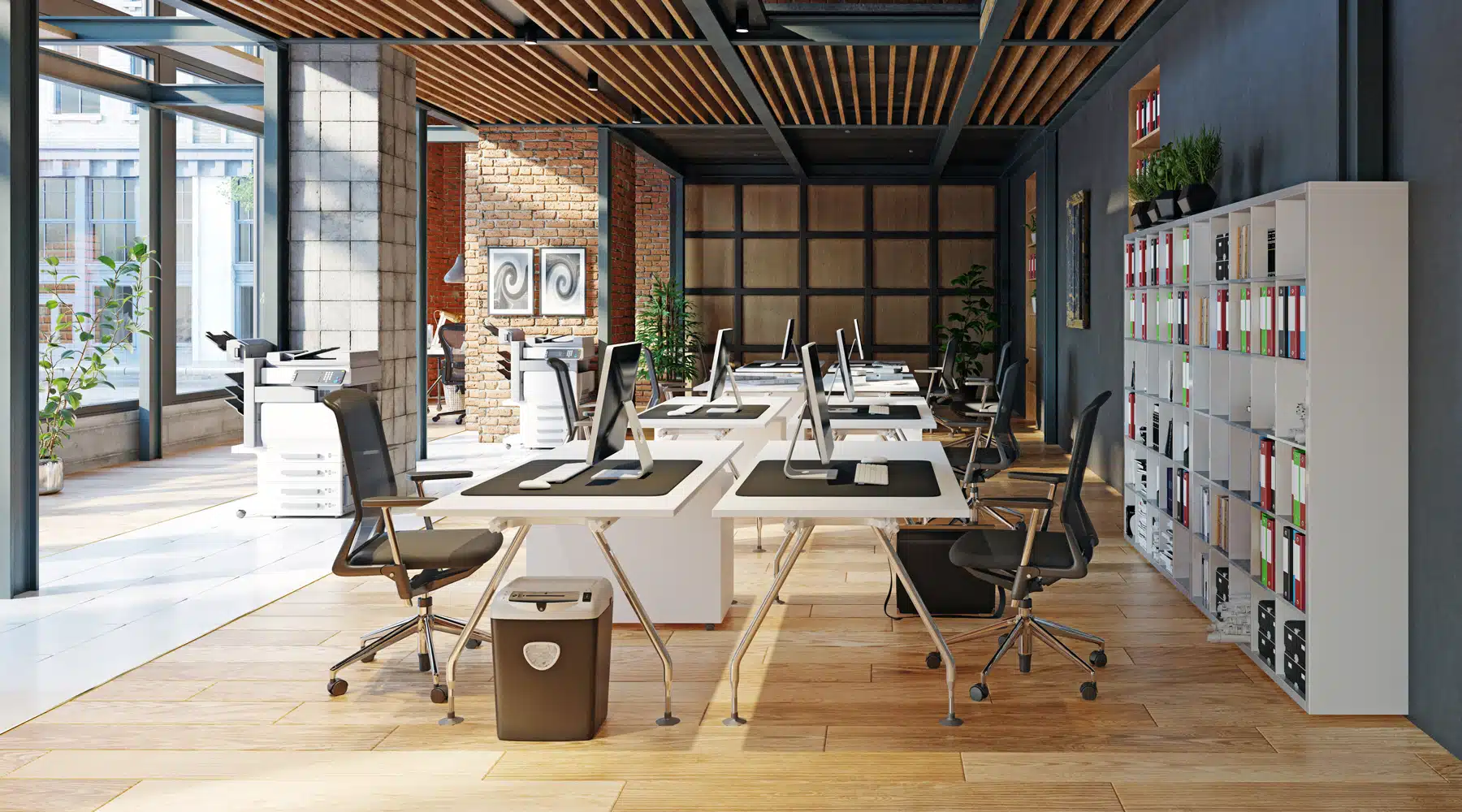
Interior Design That Boosts Productivity in an age where work, creativity, and collaboration often converge within the home or office, thoughtful interior design can be the defining catalyst that transforms mundane environments into hubs of creativity and efficiency. By integrating Productivity Boosting Decor principles—ranging from ergonomic layouts to biophilic accents—spaces can be optimized to stimulate focus, sustain energy, and foster well‑being.
1. The Psychology of Productive Spaces
Productivity isn’t solely a function of willpower; it’s a response to our surroundings. Neurological studies reveal that environments rich in natural light, balanced acoustics, and tactile variety can enhance concentration and reduce cognitive fatigue. Designing with intention means aligning spatial cues with mental workflows, ensuring that every aspect encourages task engagement and diminishes distraction.
Short sentence.
Mind and matter.
2. Spatial Zoning: Separating Focus from Flow
Effective productivity design often begins by delineating zones for specific activities:
- Focus Nooks: Sequestered alcoves or cubicles with task lighting and minimal visual clutter for deep work sessions.
- Collaborative Commons: Open tables and modular seating for brainstorming and teamwork, encouraging serendipitous interaction.
- Recharge Retreats: Comfortably furnished break areas adorned with soothing textiles and greenery to facilitate mental reset.
By choreographing circulation and purpose, Productivity Boosting Decor ensures that each zone primes occupants for the intended cognitive mode.
3. Harnessing Natural Light and Circadian Rhythms
Natural light regulates circadian rhythms, bolsters mood, and elevates Vitamin D levels—factors crucial to sustained productivity. Strategies include:
- Daylighting Designs: Floor‑to‑ceiling glazing, clerestories, and skylights positioned to maximize morning and midday sun.
- Reflective Surfaces: Polished stone or light‑hued walls that bounce daylight into deeper corners.
- Dynamic Shades: Automated blinds or sheer-to-opaque screens that modulate glare without cutting off illumination entirely.
Short sentence.
Sunlight energizes.
4. Ergonomics: Furniture that Follows Form
The bedrock of any productive environment is ergonomic support. Furniture choices directly influence posture, circulation, and musculoskeletal health:
- Adjustable Desks: Sit‑stand workstations encourage movement, preventing the inertia of prolonged sitting.
- Lumbar‑Support Chairs: Contoured backrests, adjustable armrests, and seat depth customization alleviate back strain.
- Footrests and Monitor Arms: Small accessories that fine‑tune alignment and reduce muscular tension.
By prioritizing ergonomics, Productivity Boosting Decor wards off fatigue, keeping occupants alert and comfortable.
5. Color Psychology: Chromatic Stimuli for Focus
Color exerts potent effects on cognition and emotion. Strategic palettes can sharpen attention or calm an overactive mind:
- Blue‑Green Tones: Associated with tranquility and focus, ideal for intense concentration tasks.
- Accent Pop of Yellow: Boosts creativity and optimism, suitable for brainstorming zones.
- Neutral Foundations: Greiges and off‑whites to reduce visual noise and allow accent hues to stand out.
Short sentence.
Color guides.
6. Acoustics: Mastering the Soundscape
Auditory environments profoundly impact productivity:
- Sound Absorption: Carpets, acoustic panels, and fabric‑wrapped screens reduce echo and reverberation.
- Targeted White Noise: Soft background sounds—ventilation hum or nature recordings—mask disruptive noise.
- Quiet Technology: Selecting whisper‑quiet equipment and installing door seals to contain sounds.
Short sentence.
Silence matters.
7. Biophilia: Nature’s Productivity Hack
Integrating living elements into interiors—known as biophilic design—harnesses nature’s restorative properties:
- Statement Plants: Large‑leafed specimens like Monstera and Ficus improve air quality and satisfy our innate preference for greenery.
- Living Walls: Modular moss or fern panels that purify air and provide visual texture.
- Natural Materials: Wood‑grain desks, stone accents, and woven fiber baskets that evoke the outdoors.
Short sentence.
Nature replenishes.
8. Decluttering and Organizational Systems
Visual clutter taxes working memory. Introducing storage solutions maintains a calm, ordered aesthetic:
- Concealed Cabinets: Floor‑to‑ceiling millwork with push‑to‑open hardware eliminates visual interruptions.
- Open‑Box Displays: Selective curation of books and objects on floating shelves fosters identity while avoiding overload.
- Digital Management: Wireless charging stations and cable‑conceal systems keep tech tangles out of sight.
Short sentence.
Order prevails.
9. Lighting Layers: From Ambient to Task
A layered lighting scheme tailors illumination to diverse tasks and moods:
- Ambient Fixtures: Cove or recessed lighting for even general glow.
- Task Lamps: Adjustable‑arm desk lamps with CRI>90 LEDs for true‑color visibility.
- Accent Beacons: Wall sconces or pendant clusters highlighting artwork and architectural features.
Short sentence.
Light sculpts.
10. Personalized Touches: Ownership Fuels Engagement
Personalization fosters emotional investment and comfort:
- Custom Bulletin Boards: Fabric‑wrapped pinboards or magnetic walls for notes and inspiration.
- Rotating Art: Easily swappable prints or photographs to keep visual stimulation fresh.
- Ergonomic Accessories: Personalized keyboard trays, desk risers, and mouse pads enhancing comfort.
Short sentence.
You matter.
11. Tech Integration: Smart, Not Showy
Technology should streamline, not distract:
- Voice Control Systems: Hands‑free operation of lighting, climate, and media.
- Adaptive Thermostats: Learning patterns that maintain ideal temperatures for focus.
- Integrated Charging: Wireless pads and wireless USB hubs embedded into desktops.
Short sentence.
Tech assists.
12. Color‑Coded Zones: Visual Task Signposts
Assign color accent trims or rugs to different zones to reinforce function:
- Green for Creative Areas: Stimulates divergent thinking.
- Blue for Analytical Spaces: Promotes logical processing.
- Orange for Social Lounges: Encourages convivial energy.
Short sentence.
Color codes.
13. Case Studies: Productivity in Practice
13.1 The Hybrid Home Office
A converted guest room houses a sit‑stand desk by the window, an upholstered reading chair in a focus nook with green accent wall, and a mid‑century credenza for storage. Productivity Boosting Decor here includes a living wall, smart lighting, and acoustic panels.
13.2 The Open‑Plan Agency Loft
Team desks arranged in clusters, modular whiteboards on wheels, and a quiet phone booth with noise‑reducing glass. Biophilic planters flank the reception, while varied pendant lighting defines individual work zones.
13.3 The Freelance Studio
A neutral‑toned skeleton with a bold yellow accent wall behind a drafting table, wall‑mounted rails for tools, and a plush couch in one corner for ideation sessions. Wireless charging shelves and motion‑sensing lamps elevate the space.
Short sentence.
Realized vitality.
14. Common Pitfalls and Remedies
- Over‑Stimulating Decor: Too many patterns and colors overwhelm.
- Remedy: Anchor accents within a neutral framework.
- Rigid Layouts: Fixed furniture that can’t adapt to changing tasks.
- Remedy: Select modular pieces and mobile screens.
- Insufficient Storage: Clutter undermines focus.
- Remedy: Integrate smart, concealed cabinetry from the outset.
- Neglecting Acoustics: Open spaces can become noise traps.
- Remedy: Introduce absorptive materials and sound masking systems.
Short sentence.
Plan wisely.
15. Step‑by‑Step Blueprint for Productivity‑Driven Design
- Behavioral Audit: Track daily workflows and identify pain points.
- Zoning Map: Sketch focus, collaboration, and recharge areas.
- Palette Selection: Choose neutrals for backgrounds, accent hues for zones.
- Material Kit: Source swatches of wood, stone, fabric, and acoustic panels.
- Furniture Procurement: Prioritize ergonomic desks, chairs, and modular storage.
- Lighting Layout: Plan ambient, task, and accent fixtures with smart controls.
- Biophilic Integration: Place statement plants, living walls, and water features.
- Tech Embedment: Install voice control, wireless charging, and adaptive climate.
- Accessory Curations: Add personal boards, rotating art, and desk organizers.
- Iterate & Tweak: Live in the space, track productivity metrics, and refine.
Short sentence.
Execute thoughtfully.
Designing interiors that amplify productivity requires a symphony of elements—ergonomic furniture, natural light, calming color, controlled acoustics, biophilic accents, and seamless technology. By weaving Productivity Boosting Decor principles into spatial planning, material selection, and personalized touches, environments become more than backdrops; they evolve into active collaborators in daily workflows. Embrace these strategies to craft spaces where focus flourishes, creativity thrives, and tasks become less toil and more fulfillment.



More Stories
Revive Your Space: 5 Styling Hacks to Transform Any Room
10 Innovative Design Ideas to Transform Any Space from Ordinary to Extraordinary
2024’s Most Unexpected Interior Trends That Will Surprise You