
Interior Design That Invites Connection in a world that increasingly emphasizes individualism and digital exchange, the home has become a vital sanctuary for genuine human interaction. Connection Inviting Style transcends mere decoration—it is an intentional design paradigm that fosters dialogue, sociability, and shared moments within thoughtfully arranged spaces. This comprehensive guide explores how spatial configuration, material choices, lighting strategies, and accessory selections unite to craft environments that feel warm, welcoming, and catechetic of kinship.
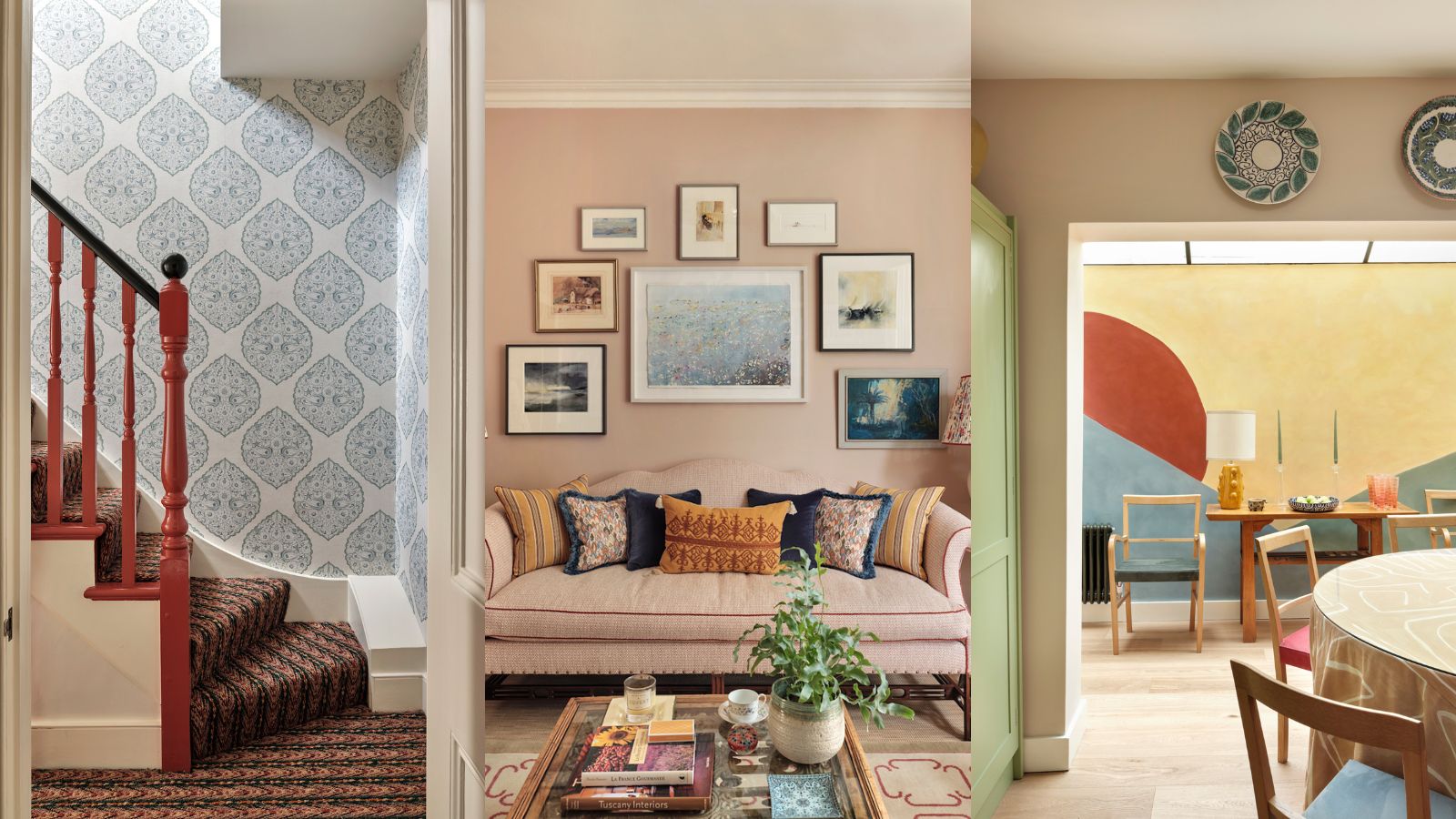
Defining the Principles of Connection-Centric Design
Before embarking on specific tactics, one must grasp the underpinning tenets of a connection-oriented interior. These guiding principles include:
- Openness without Exposure: Balancing privacy with a sense of communal flow ensures occupants feel neither isolated nor overexposed.
- Adaptive Zoning: Flexible arrangements accommodate diverse activities—from intimate conversations to celebratory gatherings.
- Tactile Engagement: Materials that invite touch and interaction engender a multisensory rapport with the environment.
- Visual Anchors: Strategic focal points draw the eye and create conversational waypoints.
- Human-Scaled Proportions: Furniture and room dimensions should feel neither cavernous nor constricted—just right for interpersonal exchange.
Each of these principles informs choices in layout, furniture, finishes, and accessories, ultimately weaving a coherent tapestry that encourages people to come together.
Spatial Configuration: Crafting Communal Flow
A room’s architecture sets the stage for connection. Spatial planning should facilitate fluid movement while signaling gathering zones.
- Centralized Seating Pods: Position sofas and chairs in clusters around a central anchor—such as a coffee table or hearth. This configuration fosters natural eye contact and balanced acoustics.
- Permeable Boundaries: Use open shelving, low partitions, or planters to define zones without blocking sightlines. The result is an unobstructed visual dialogue between spaces.
- Convivial Circulation Paths: Imagine how guests will traverse the area. Pathways should contour around seating groups rather than bisecting them, minimizing disruption to conversation.
- Convertible Dining & Work Areas: Integrate extendable tables or modular desks that transition from daily tasks to dinner parties in seconds.
Such spatial dexterity ensures the home transforms effortlessly from solitary retreat to communal hub.
Material Palette: Fostering Warmth and Contact
Materials speak a silent language of tactility and warmth. Connection Inviting Style hinges on a balanced palette that feels both intimate and durable.
- Natural Woods: Choose mid-tone veneers—walnut, oak, or cherry—that exhibit visible grain and patina over time. The evolving surface narrative charts shared experiences.
- Soft Textiles: Incorporate upholstery in boucle, velvet, and nubbly linen to entice touch. Layer cushions and throws in varying weights for textural interplay.
- Stone Accents: Honor solidity with honed travertine or soapstone for surfaces that feel cool at first contact, imparting a contrast to warmer textiles.
- Metallic Touchpoints: Brushed brass or aged bronze on hardware and light fixtures adds a subtle luster that glints in passing conversations.
By marrying softness and solidity, residences feel approachable yet architecturally grounded.
Chromatic Strategy: Palette for Cohesion and Comfort
Color orchestrates mood. A Connection Inviting Style palette balances neutrals with selective exuberance.
- Unified Base: Start with a neutral canvas—cream, dove gray, or taupe—to harmonize disparate elements.
- Generous Accents: Introduce saturated hues—terracotta, deep teal, mustard—through accent walls, area rugs, or gallery art. These anchor visual interest and spark dialogue.
- Repetitive Accents: Repeat accent colors in two or three different textures or objects to reinforce cohesion.
- Subdued Transitions: Employ soft gradients or ombré textiles to ease movement from one hue to the next without visual strain.
This chromatic layering imbues spaces with personality while maintaining an overall sense of unity.
Furniture Selection: Encouraging Proximity and Ease
Choosing the right furniture is pivotal to fostering genuine connection.
- Curved Configurations: Sofas and sectionals with gentle curves create an embracing arrangement, shortening the physical distance between people.
- Modular Seating: Ottomans and poufs can be pulled into the conversation circle or pushed aside to clear space for interactive activities.
- Low-Profile Pieces: Seating with lower backs prevents visual barriers, facilitating unimpeded interaction across the room.
- Shared Surfaces: A generous communal coffee table or a long console encourages the placing of shared items—books, board games, ambient refreshments.
Select pieces that are robust yet inviting, encouraging guests to linger comfortably.
Lighting Design: Illuminating Connection Points
Illumination shapes ambiance and focus. A layered lighting scheme establishes zones for gathering and introspection.
- Ambient Glow: Cove lighting or concealed LEDs wash walls with even illumination, creating an overarching warmth.
- Localized Fixtures: Pendant clusters over the dining table or orb sconces near seating pods cast soft pools of light that define intimate enclaves.
- Accent Spots: Adjustable track lights or directional lamps highlight artwork or decorative nooks, prompting conversation around admired pieces.
- Dimmable Controls: Seamlessly transition from vibrant weekday energy to a mellow evening vibe with intuitive dimmers or smart controls.
A judicious mix of ambient, task, and accent lighting ensures every gathering feels both comfortable and intriguing.
Accessory & Art Placement: Catalysts for Conversation
Accessories can be conversation starters. Thoughtful curation of art and objects adds narrative depth to interiors.
- Narrative Vignettes: Group objects—vintage ceramics, travel mementos, sculptural books—on floating shelves to tell a cohesive story.
- Single-Statement Artwork: Opt for one or two large-scale pieces rather than a crowded gallery wall; let their presence resonate and invite interpretation.
- Functional Decor: Incorporate items that serve dual purposes—e.g., an artisanal bowl that holds potpourri and doubles as a tactile centerpiece.
- Living Arrangements: Terrariums or communal planters filled with succulents invite guests to engage through watering or gentle pruning.
When every object has intention, the room itself becomes a locus of shared experience and storytelling.
Biophilic Integration: Organic Bonds
Incorporating living elements enhances psychological wellbeing and stimulates connectivity.
- Indoor Trees: Ficus or kentia palms stand as sculptural sentinels, offering a verdant backdrop to gatherings.
- Herb Gardens: A kitchen windowsill with potted herbs invites collaborative meal preparation and shared sensory exploration.
- Water Features: A tabletop fountain’s gentle murmur adds a calming soundtrack, encouraging relaxed discourse.
These elements anchor the space in natural rhythms, fostering a sense of grounded togetherness.
Technology with Tact and Discretion
Modern life demands connectivity, but technology should not dominate the aesthetic.
- Integrated Audio: Conceal speakers behind acoustic panels; activate sound zones to accompany dinner or movie nights without visual intrusion.
- Smart Climate Control: Fingerprint or app-enabled thermostats hidden within cabinetry maintain comfort without clutter.
- Wireless Charging Stations: Recessed into console tables or armrests, they empower seamless device sharing during collaborative work or digital entertainment.
Subtle tech integration keeps the focus on human interaction rather than gadgets.
Flexible Layering: Designing for Evolution
Homes are living entities that evolve with their occupants’ needs.
- Seasonal Reconfiguration: Introduce lighter textiles and pastel accents in spring, richer weaves and jewel tones in autumn, to keep the environment feeling fresh.
- Expandable Furnishings: Nesting tables and folding screens adapt the footprint for small-scale teas to large gatherings.
- Pop-Up Experiences: Designate a corner for rotating uses—yoga in the morning, a craft station in the afternoon, a reading nook by dusk.
By anticipating change, spaces remain perpetually inviting rather than static.
Implementation Roadmap
To bring Connection Inviting Style to life, follow this systematic approach:
- Diagnose Intent: Clarify which activities—dinner parties, family game nights, collaborative work—should be prioritized.
- Spatial Audit: Map existing pathways and barriers to identify opportunities for optimization.
- Material Spec: Select finishes and furnishings that align with both aesthetic and functional goals.
- Lighting Blueprint: Design a layered lighting plan with the flexibility to adapt ambiance.
- Accessory Curation: Source art and objects that tell a purpose-driven narrative.
- Phased Rollout: Implement in logical stages—living area, dining space, kitchen—to ensure cohesion and minimize disruption.
- Feedback Loop: After inhabiting each zone, solicit feedback from household members and guests, then recalibrate layouts or finishes as needed.
This iterative, occupant-centric methodology secures a home that truly resonates with communal purpose.
Connection Inviting Style is more than an aesthetic choice; it is a nimble framework for nurturing relationships within the built environment. By harmonizing spatial planning, materiality, lighting, and storytelling elements, designers and homeowners alike can cultivate spaces that beckon occupants to gather, share, and connect. Ultimately, a home steeped in this ethos becomes a living chronicle of every conversation, every shared laugh, and every moment of quiet companionship—a testament to the profound power of design to unite.



More Stories
Revive Your Space: 5 Styling Hacks to Transform Any Room
10 Innovative Design Ideas to Transform Any Space from Ordinary to Extraordinary
2024’s Most Unexpected Interior Trends That Will Surprise You