
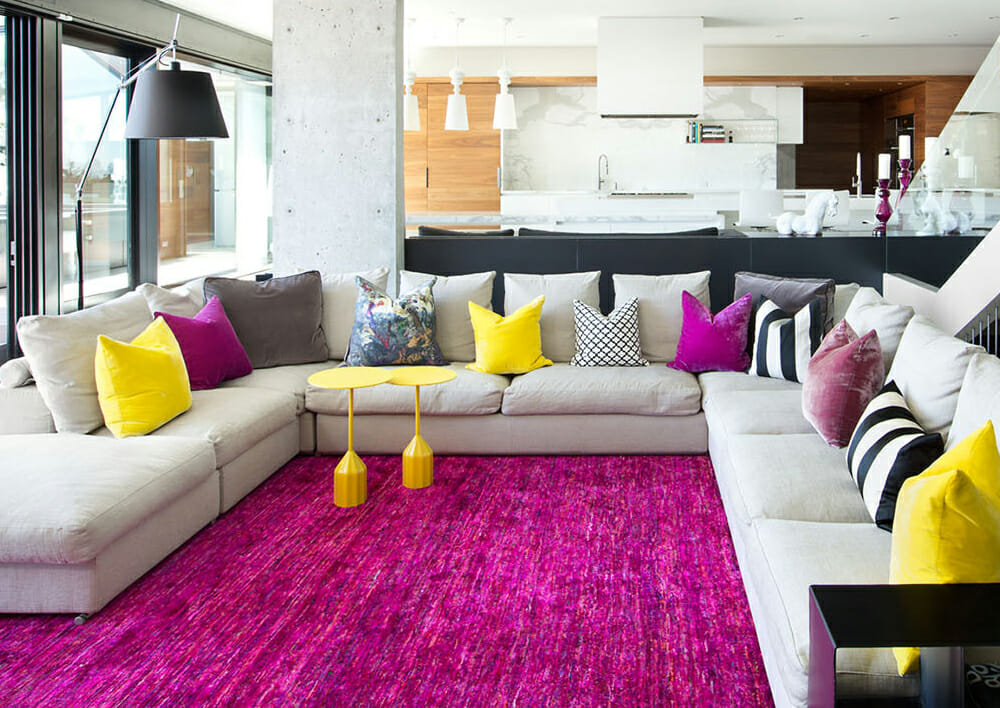
Interior Design That Highlights Color interior spaces that celebrate hue and chromatic interplay can uplift mood, define personality, and transform the mundane into the memorable. Embracing Color Highlight Design means more than splashing bold paint on walls; it’s about orchestrating a symphony of pigments, textures, and light to craft environments that resonate emotionally and aesthetically.
1. The Psychology of Color in Interiors
Colors exert profound psychological effects. They can energize, soothe, or inspire creativity. Understanding these influences forms the foundation of any Color Highlight Design strategy.
- Warm Tones for Energy
Shades like vermilion, saffron, and burnt umber stimulate conversation and evoke warmth. In social spaces—living rooms or dining areas—these hues invite conviviality. - Cool Tones for Calm
Cerulean, mint, and lavender impart serenity, making them ideal for bedrooms and meditation nooks. These colors lower heart rate and foster relaxation. - Neutral Anchors
Off-whites, greiges, and greys provide versatile backdrops, allowing accent colors to shine without overwhelming the senses.
Short sentence.
Color influences mood.
By integrating color psychology, Color Highlight Design ensures that each hue serves a purpose beyond mere decoration.
2. Crafting a Chromatic Palette
A harmonious palette balances dominant, secondary, and accent colors. This triadic structure creates visual depth and cohesion.
- Primary Foundation
Select a neutral or soft tone to cover the majority of walls and large furnishings. - Secondary Complement
Introduce a mid-tone—such as dusty rose or slate blue—in upholstery or cabinetry. - Accent Pops
Infuse vibrancy with bold accessories: a citrine cushion, a cobalt ceramic vase, or emerald throw pillows.
Varying sentence lengths generate rhythm. Short now.
Balance is key.
Adhering to this framework, Color Highlight Design achieves equilibrium between subtlety and drama.
3. Accent Walls: Focal Chromatic Statements
An accent wall can serve as the pièce de résistance of a room. It concentrates attention and anchors the overall scheme.
3.1 Bold Monochrome Statements
A single wall in deep indigo or tangerine can instantly infuse energy. Keep surrounding walls neutral to prevent visual overload.
3.2 Patterned Panache
Geometric murals, hand-painted botanical motifs, or metallic-leaf stencils elevate accent walls into works of art.
3.3 Textural Paint Effects
Venetian plaster, suede-finish paints, or ombré gradients add tactile intrigue and subtle color transitions.
When executed thoughtfully, accent walls exemplify Color Highlight Design by marrying chromatic intensity with spatial context.
4. Furniture as Color Capsules
Furniture offers an opportunity to introduce saturated tones without permanent commitment.
- Statement Sofas
A velvet sofa in peacock blue or mustard yellow becomes the room’s centerpiece. Pair with neutral chairs for balance. - Color-Blocked Cabinets
Kitchen islands or media consoles painted in complementary hues—emerald base with blush doors, for instance—inject personality. - Modular Seating
Sectionals with interchangeable colored modules allow you to refresh the palette at will.
Furniture-driven color choices underscore the flexibility inherent in Color Highlight Design.
5. Textiles: Weaving Chromatic Layers
Textiles are the soft undercurrent of color, draping spaces in nuanced tones and patterns.
5.1 Rugs and Runners
Hand-knotted kilims or flatweave dhurries in jewel tones ground the space and guide the eye along the floor plane.
5.2 Cushions and Throws
Combine solids, prints, and textured weaves—paisley in cerulean, ikat in rust, chenille in lavender—for layered complexity.
5.3 Window Treatments
Silk draperies in contrasting hues or ikat Roman shades can frame vistas and filter light in tinted spectrums.
By weaving these elements into a cohesive tapestry, Color Highlight Design becomes a sensory feast.
6. Art and Accessories: Curating Chromatic Moments
Curated accessories punctuate and play off larger color schemes.
- Gallery Walls
Frame abstract pieces in complementary palettes—coral brushstrokes against pale aqua or graphite sketches on mustard mats. - Sculptural Objects
Place colored glass vessels or ceramic totems on consoles to catch and refract light. - Botanical Accents
Fresh blooms and potted plants introduce unpredictable natural hues and organic forms.
These vignettes function as color catalysts within a Color Highlight Design framework, creating focal points that invite contemplation.
7. Lighting: Chromatic Amplification
Light mediates how color is perceived, making its design integral to any color-centric scheme.
- Natural Light Maximization
Sheer curtains and strategically placed mirrors amplify daylight, revealing true pigment depth. - Layered Artificial Sources
Warm LED uplights accent walls, while cool task lights illuminate workspaces, ensuring color fidelity. - Colored Lighting Accents
Subtle RGB strips hidden in coves can shift ambiance—lavender evenings or sunrise peach mornings.
Strategic illumination ensures that Color Highlight Design remains vivid and dynamic across all hours.
8. Color Zoning: Defining Spaces Without Walls
In open-plan layouts, color becomes a tool for delineation.
- Kitchen to Lounge Gradient
Transition from soft sage in the kitchen to deep forest green in the living area, guiding movement. - Dining Nook Highlight
Enclose a breakfast corner in terracotta hue to create an intimate vignette. - Home Office Alcove
Paint a workspace in a stimulating cerulean to boost concentration, while adjacent zones rest in neutrals.
Through strategic color zoning, Color Highlight Design sculpts functional boundaries with pigment alone.
9. Uncommon Terminology: Elevating Color Discourse
Incorporating rare descriptors enriches the narrative of color.
- Chroma for intensity.
- Hue for base family.
- Saturation for purity.
- Tint when white is added.
- Shade when black is added.
- Tone when grey is added.
Employing these terms refines communication, reinforcing the sophisticated vocabulary of Color Highlight Design.
10. Materials That Reflect and Absorb
Surfaces influence how color reads.
- Matte Finishes
Lemon-sky blues or dusky mauves in matte renderings feel soft and enveloping. - High-Gloss Lacquers
Reflective emerald or scarlet surfaces intensify light bounce and amplify hue. - Metallic Accents
Gold leaf, copper panels, or iridescent tiles introduce dynamic sheens that shift with viewing angles.
By selecting appropriate finishes, Color Highlight Design leverages materiality to modulate chromatic impact.
11. Biophilic Color Integration
Nature offers a boundless color lexicon.
- Leafy Greens
Chartreuse, olive, and jade resonate with living plants. - Earthy Ochres
Clay-red and mustard evoke earthen textures. - Skyward Blues
Azure, indigo, and periwinkle mirror atmospheric gradations.
Integrating biophilic palettes aligns interior spaces with ecosystems, reinforcing the organic dimension of Color Highlight Design.
12. Case Studies: Chromatic Transformations
12.1 The Vibrant Studio Loft
A cobalt blue accent wall contrasts with ochre seating. Glossy coral cabinetry in the kitchenette adds zest. Sheer white drapes soften the overall effect, letting deep hues command attention without overwhelming.
12.2 The Pastel Parlor
Walls painted in a soft mint create a dreamy cocoon. Accented by blush-pink upholstery and ivory lace curtains, the space exudes romantic nostalgia. A sapphire rug grounds the palette, preventing sweetness from tipping into saccharine.
12.3 The Monochrome Modern Home
A spectrum of greys—from slate to dove—forms the base. Pops of lemon-yellow chairs and teal accent pillows punctuate the scene. Metallic charcoal fixtures and mirror-backed shelves lend reflective intrigue.
Each exemplar showcases how Color Highlight Design can adapt to various design narratives.
13. Common Missteps and How to Avoid Them
- Over-Saturation
Too many bold hues can fragment cohesion. Limit accent colors to two or three maximum. - Ignoring Undertones
A paint may read cooler in natural light but warmer under incandescent bulbs. Test swatches at different times. - Mismatched Finishes
Pairing matte walls with glossy trim—or vice versa—without intent can clash. Harmonize sheens purposefully. - Neglected Transitions
Hard color shifts between rooms can jar. Use transitional hues or wall treatments to soften boundaries.
By anticipating these pitfalls, Color Highlight Design remains harmonious and intentional.
14. Step-by-Step Blueprint for Chromatic Mastery
- Audit Light Conditions
Observe natural light angles and intensities at various times of day. - Select Base Palette
Choose your foundation neutral and two secondary hues. - Determine Accent Points
Identify walls, furnishings, and accessories that will carry the boldest colors. - Gather Swatches and Samples
Test paint chips, fabric swatches, and tile fragments in situ. - Plan Lighting Strategy
Map ambient, task, and accent fixtures, ensuring color accuracy. - Implement in Phases
Begin with walls, then introduce large furniture, followed by textiles and accessories. - Assess and Adjust
Live in the space for a week, note emotional responses, and tweak accent placements or intensities.
Following this protocol guarantees a methodical and gratifying Color Highlight Design journey.
15. Sustaining Your Chromatic Vision
Color trends evolve, but a well-considered scheme can endure. Refresh by:
- Rotating accent pillows each season.
- Repainting a single feature wall rather than the entire room.
- Swapping artwork or decorative objects to introduce new tonal inflections.
With these maintenance strategies, Color Highlight Design remains both dynamic and timeless.
Interior spaces that foreground color possess an infectious vitality. Through informed palette selection, strategic accenting, and thoughtful material choices, Color Highlight Design breathes life into every corner. Embrace chromatic audacity, yet ground it in workshop-tested principles. The result: interiors that captivate, comfort, and inspire—one pigment at a time.



More Stories
Revive Your Space: 5 Styling Hacks to Transform Any Room
10 Innovative Design Ideas to Transform Any Space from Ordinary to Extraordinary
2024’s Most Unexpected Interior Trends That Will Surprise You