
Pro Lighting Tips for a Modern Look elevating an interior into a sleek, contemporary haven demands more than chic furniture and minimalist art. It hinges on modern look lighting—a synergy of form, function, and futurism. With the right approach, even the most ordinary spaces can exude high-end sophistication. These pro tips will guide you through cutting-edge techniques—from avant-garde fixtures to spectral mastery—that impart a cool, current vibe to every corner.
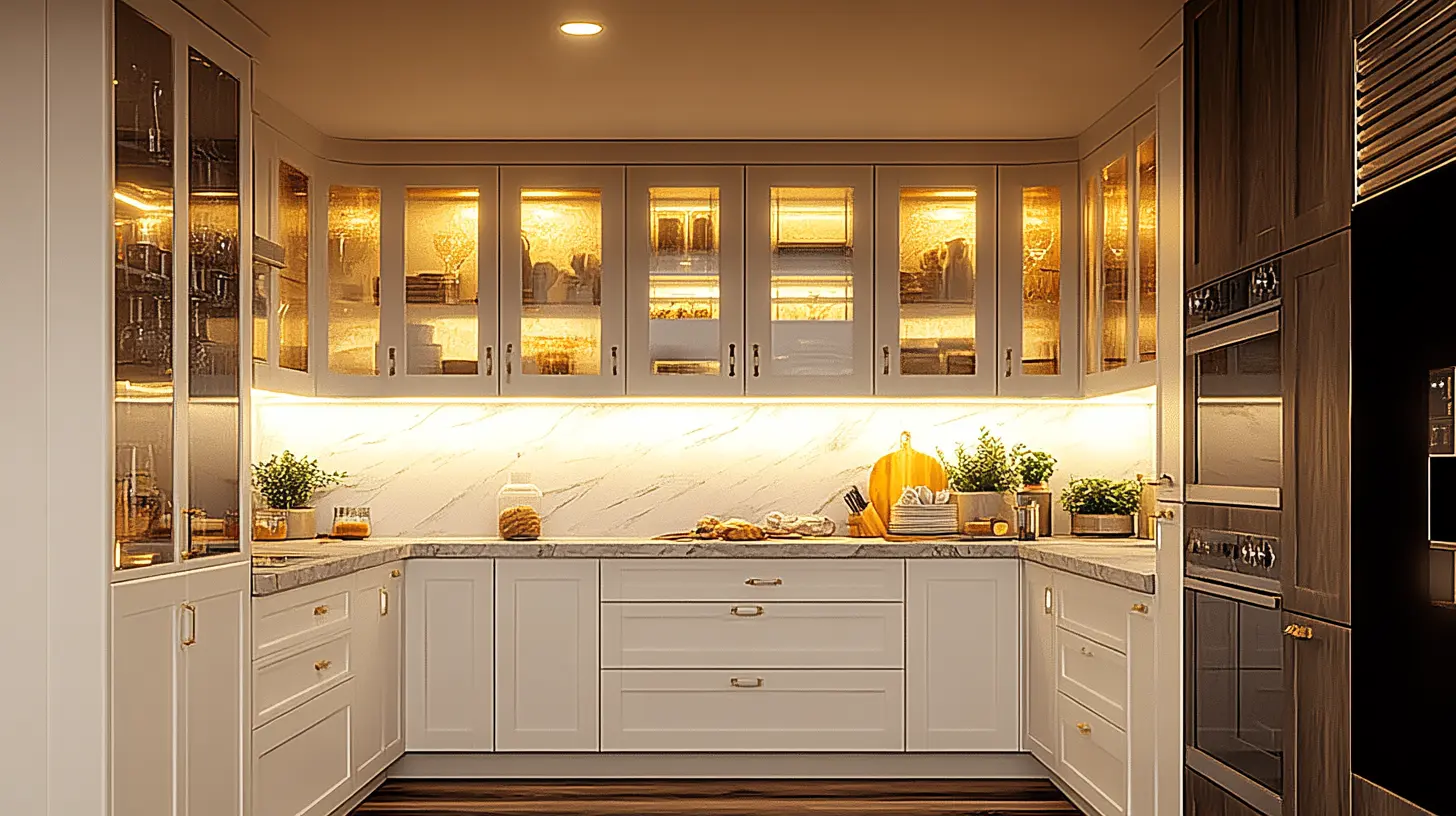
1. Embrace Layered Illumination
Sophisticated interiors employ three interwoven layers:
- Ambient Light: The foundational glow that sets overall brightness. Choose recessed downlights with wide beam angles or semi-flush fixtures with diffusers.
- Task Light: Directed beams for specific activities. Sleek adjustable desk lamps, under-cabinet strips, and linear LED batten lights excel in kitchens and offices.
- Accent Light: Pinpoint sources—gallery rails, micro uplights, wall grazers—to showcase art, textured walls, or statement pieces.
By nesting these layers, you forge a dynamic interplay of light and shadow that feels both deliberate and effortlessly modern.
2. Opt for Minimalist Fixtures
Modern aesthetics champion restraint:
- Linear Profiles: Slim bar pendants and linear chandeliers in matte black or brushed aluminum.
- Geometric Shapes: Cuboids, rings, and hexagons suspended on thin cables.
- Integrated LEDs: Fixtures where the light source is built into the design, eliminating extra hardware.
Sculptural yet understated, these fixtures epitomize modern look lighting—they provide light and double as art objects.
3. Harness Recessed and Flush-Mount Lighting
Clean sightlines require flush integration:
- Recessed Downlights: Opt for trimless, black-inside baffles to reduce glare and maintain a surgical appearance.
- Low-Profile Panels: Ultra-thin LED panels that sit nearly flush with ceilings, delivering uniform luminance.
- Magnetic Modular Systems: Track heads that magnetically attach and glide along concealed rails.
These solutions vanish into architecture, ensuring illumination feels innate rather than applied.
4. Leverage Cove and Linear Slot Lights
Concealed light sources impart seamless elegance:
- Perimeter Coves: LED tapes hidden in ceiling recesses cast indirect uplight, softening edges and heightening ceilings.
- Linear Slot Lights: Narrow slots cut into plaster that reveal a glow, defining geometry without visual clutter.
- Corner Cove Luminaires: Wrap-around LED channels in wall-ceiling intersections to blur boundaries.
Such incognito techniques create a gentle, ambient wash that underpins a modern milieu.
5. Prioritize Color Temperature Control
The right hue temperature transforms mood:
- Neutral White (3500–4100K): Balances warmth and coolness, ideal for living rooms and bedrooms.
- Cool White (4500–5500K): Mimics daylight, imbuing kitchens and offices with focus-enhancing clarity.
- Tunable-White Systems: Shift from 2700K in the evening to 5000K in the morning, syncing with circadian rhythms.
Integrated controls allow instant shifts, underpinning the adaptability central to modern look lighting.
6. Employ High-CRI Sources
Color fidelity is non-negotiable in contemporary design:
- CRI ≥ 90 LEDs reveal true material textures—marble, wood grain, textile weaves—without distortion.
- TM-30 Metrics: Consult Rf and Rg scores for nuanced color rendition beyond basic CRI.
High-fidelity light ensures that vibrant artworks and designer finishes pop as intended.
7. Integrate Smart Controls and Scenes
Technology elevates ambience:
- App-Based Dimming: Smooth fades from bright task light to muted mood scenes at a tap.
- Voice Commands: “Set dinner mode” dims ambient lights to 40% while accenting wall grazers.
- Adaptive Sensors: Motion and daylight sensors that modulate outputs automatically, optimizing energy use.
Smart integrations knit lighting into a cohesive, futuristic framework.
8. Sculpt Spaces with Track Lighting
Track systems remain a modern stalwart:
- Monorail Tracks: Thin, linear rails that double as design elements.
- Adjustable Heads: Swap, slide, and rotate heads to respond to changing art placements or room layouts.
- Minimalist Mounts: Concealed power feeds that maintain ceilings’ clean aesthetic.
Flexibility and precision make track lighting a pro tool for dynamic interiors.
9. Accent Architectural Features
Highlight structural elements to add depth:
- Wall Grazers: Narrow-beam fixtures mounted inches from walls to emphasize textures.
- In-Floor Uplights: Discreet pockets that wash columns or stone walls, dramatizing form.
- Step Lights: Incorporated into stair risers for both safety and sculptural effect.
Accentuated architecture becomes part of the decorative narrative.
10. Utilize Under-Cabinet and Under-Furniture Lighting
Neglected zones can become luminous accents:
- Undershelf LEDs: Provide clear workspace illumination and accent lower walls.
- Floating Furniture Glow: Concealed strips beneath sofas and tables create a levitating effect.
- Mirror Backlighting: In bathrooms or grooming areas, backlit mirrors banish shadows and add a spa-like vibe.
Under-lit elements underscore a space’s signature modern vibe.
11. Choose Matte and Reflective Contrasts
Material interplay enhances interest:
- Matte Black Fixtures: Absorb stray light, delineating sharp lines.
- Polished Metal Accents: Chrome, brass, or copper surfaces reflect and bounce light dynamically.
- Etched Glass Diffusers: Scatter light softly, avoiding harsh beams.
Contrast in finishes adds a tactile dimension to modern look lighting.
12. Implement Pendant Clusters
Groupings of pendants create focal interest:
- Varying Heights: Stagger pendants over kitchen islands or dining tables for volumetric rhythm.
- Cohesive Finishes: Match or complement fixture materials to maintain visual harmony.
- Minimal Shades: Exposed bulbs with sculptural filament or LED cores reinforce industrial chic.
Pendulum dynamics invigorate static planes with kinetic allure.
13. Deploy Statement Chandeliers
Modern doesn’t mean meek:
- Geometric Arrangements: Cubes, rings, or asymmetrical arrays in matte or metallic finishes.
- Linear Sculptures: Elongated chandeliers that run the length of dining tables or corridors.
- Integrated LED Nodes: Embedded diodes within sleek profiles, avoiding traditional glass globes.
Bold installations command attention while aligning with contemporary sensibilities.
14. Play with Shadow and Negative Space
Shadows are as vital as light:
- Laser-Cut Shades: Patterned silhouettes cast intricate designs onto surfaces.
- Bladed Fixtures: Modular slats that shape and direct beams, forming chiaroscuro effects.
- Void Lighting: Illuminating negative spaces—e.g., recessed niches—rather than objects themselves.
Tactile shadows lend a gallery-like depth to minimal interiors.
15. Accent with Color and Contrast
Selective tints can invigorate neutral palettes:
- RGB Accent Strips: Hidden behind coves or cabinetry for occasional splashes of color.
- Gel Filters: Warm ambers or cool cyans in strategic zones to demarcate functional areas.
- Bi-Color Fixtures: Switch between whites and subtle pastels for dynamic versatility.
Chromatic accents lend fleeting drama without overwhelming restraint.
16. Ensure Uniformity with Wide Beam Angles
Sharp spotlights can fracture perception:
- Diffuse Panels: Wide-beam LED panels provide broad, even coverage.
- Opal Diffusers: On downlights and battens to soften spill and avoid hotspots.
- Lens Combinations: Mix 60° and 120° lenses to achieve seamless overlap.
Consistent light levels make rooms read larger, cleaner, and more cohesive.
17. Minimize Visible Infrastructure
Modern design favors hidden systems:
- Concealed Raceway Systems: Power feeds behind walls or ceilings, invisible to the eye.
- Cord Management: Fabric-wrapped cables in complementary hues, routed neatly.
- Flush-Mounted Sensors and Controls: Even switches and sensors vanish into the décor.
Invisible infrastructure underscores a polished, professional aesthetic.
18. Integrate Daylight Harvesting
Solar synergy refines electric use:
- Photosensors: Dim indoor fixtures when natural light suffices.
- Automated Shades: Retract or deploy window coverings to control glare and heat.
- Dynamic Scenes: Transition from electric to daylight modes as the sun moves.
Natural light becomes an integral layer in your modern look lighting strategy.
19. Balance Warmth with Precision
Blending cozy and clinical creates tension:
- Dim-to-Warm LEDs: Grow warmer as you dim, emulating incandescent behavior.
- Spot Precision: Maintain sharp task beams even within a warm palette.
- Layered Glow: Soft ambient plus crisp accent to reconcile comfort with clarity.
This thermal nuance fosters a contemporary sanctuary that still feels inviting.
20. Curate Reflective Décor
Beyond mirrors, other surfaces contribute:
- High-Gloss Lacquered Surfaces: Furniture and cabinetry that bounce light across planes.
- Metallic Wall Panels: Bronze or silver leaf accents that catch stray beams.
- Glass Tiles and Backsplashes: Fragment reflectivity for a shimmering effect.
Reflective décor amplifies every lumen, making spaces feel brighter and more expansive.
21. Optimize Fixture Height and Placement
Proportion is paramount:
- Pendant Height: 28–32 inches above tables; 36–42 inches above kitchen islands.
- Sconce Centers: Typically 60–66 inches off the floor for balanced side illumination.
- Recessed Spacing: Downlights every 4–6 feet in small rooms; up to 8 feet in larger expanses.
Precise positioning avoids glare and ensures each light accentuates rather than overwhelms.
22. Incorporate Architectural Lighting Details
Detail work makes a difference:
- Reveal Lighting: Thin LED channels within wall or ceiling reveals for subtle definition.
- Rope Lighting: Concealed along stair treads or floor coves for a floating foundation.
- Switchback Steps: Illuminated stair nosing for safety with sculptural flair.
Small architectural touches underscore a space’s bespoke quality.
23. Embrace Smart Fixture Ecosystems
Future-proof your design:
- Modular Systems: Magnetic tracks that let you reconfigure fixtures without rewiring.
- Interchangeable Lenses: Swap beam angles as needs evolve.
- Upgradeable Electronics: Replace drivers or LED modules without discarding entire fixtures.
An ecosystem approach ensures longevity and adaptability.
24. Layer in Biophilic Elements
Natural cues harmonize modern interiors:
- Backlit Planters: Undershelf LEDs on greenery to create living art walls.
- Sunrise Simulation: In bedrooms, gradually increasing morning light to mimic dawn.
- Water Feature Illumination: Submerged LED blades that highlight ripples and reflections.
Organic interplay softens the precision of contemporary lighting.
25. Employ Accent Niches and Display Cases
Built-in vignettes demand specialized lighting:
- Recessed Mini-Downlights: Aim directly onto collectibles or sculptures.
- Fiberoptic Pinpoints: For a dazzling star-like effect in narrow niches.
- Edge-Lit Glass Shelves: Illuminate objects from below through transparent surfaces.
Custom alcoves become curated galleries, reinforcing a high-end modern look lighting scheme.
26. Integrate User-Centric Controls
Comfort equals control:
- Wall Dimmers and Keypads: Pre-set lighting “recipes” for cooking, entertaining, and relaxing.
- Mobile Apps: Adjust lighting on the go, even when away from home.
- Gesture and Proximity Sensors: Hands-free tapering of lights as you enter or move about.
Empowered occupants tailor illumination to their precise needs.
27. Rotate Seasonal and Event Modes
Keep interiors vivacious:
- Cool Whites in Summer: Enhance perceived coolness during hot months.
- Warm Ambers in Winter: Counteract the season’s gray with cozy undertones.
- Specialty Scenes: Spotlighting for parties—dynamic colors or strobing sequences.
Seasonal choreography prevents the scheme from feeling static.
28. Emphasize Sustainability
Modern style equals responsible design:
- Energy-Efficient LEDs: Consume up to 90% less power than incandescents and last 25× longer.
- Daylight Harvesting: Reduces electric dependency during daylight hours.
- Recyclable Materials: Choose fixtures made from aluminum, glass, or sustainable plastics.
Eco-conscious choices underscore sophistication and care.
29. Conduct a Professional Light Audit
Assess before you install:
- Map Existing Light Levels: Use a lux meter to identify dark zones and hotspots.
- Analyze Beam Patterns: Visualize overlap and coverage to avoid gaps.
- Plan Circuits and Controls: Balance loads across dimmers and sensors.
- Select Fixtures to Match Needs: Align lumen output, beam angle, and color temperature with each zone’s function.
A data-driven approach ensures flawless execution of your modern look lighting vision.
Mastering modern look lighting melds technical prowess with aesthetic intuition. By layering ambient, task, and accent sources; choosing minimalist yet sculptural fixtures; leveraging smart controls; and integrating architectural finesse, you craft environments that resonate with contemporary elegance. Illuminate with intention and let every corner reflect the cutting-edge sophistication you envision.


More Stories
How to Evaluate Information on the Internet
The Best Places to Install Retractable Screens Around Your Home
Illuminate Your Space: Creative Home Lighting Ideas for Every Mood