
Lighting Tips to Transform Your Space ambient glow can elevate the mundane to the magnificent. A judicious interplay of luminance, shadow, and color temperature breathes life into every nook. With the right approach to transform space lighting, you forge atmospheres that entice, invigorate, and soothe in equal measure. Whether you’re revitalizing a cramped studio or bestowing opulence upon an expansive living room, these expert tips will empower you to orchestrate spaces that radiate personality and purpose.
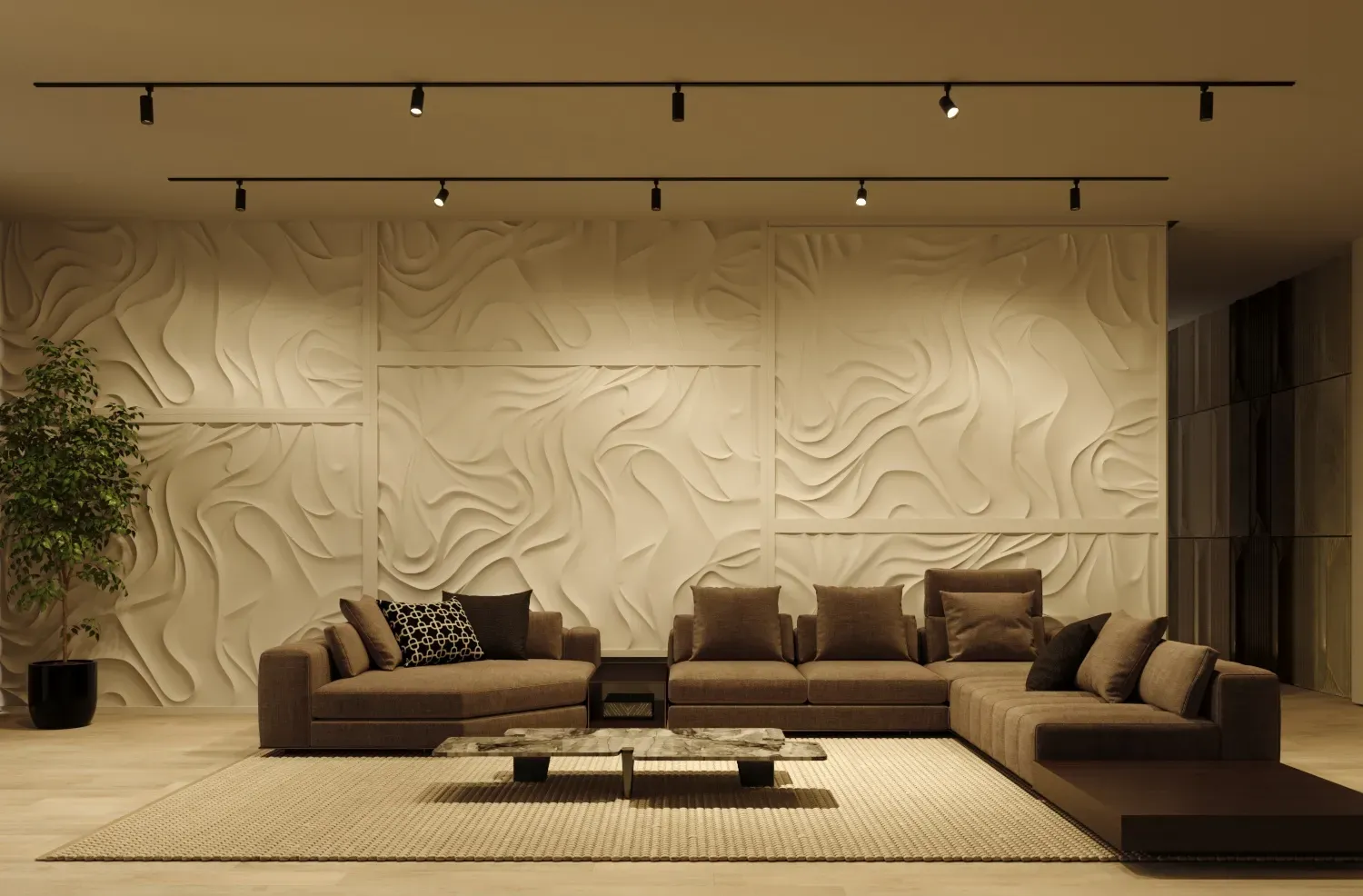
1. Master the Triad: Ambient, Task, Accent
A harmonious lighting scheme rests on three pillars:
- Ambient Lighting
The general illumination that establishes baseline brightness. Techniques include recessed LEDs, flush-mount fixtures, and cove lighting. - Task Lighting
Directed beams for specific activities—reading, cooking, or crafting. Common examples are adjustable desk lamps, under-cabinet strips, and swing-arm sconces. - Accent Lighting
Dramatic highlights that showcase art, architectural details, or greenery. Tools of the trade: track lights, picture lights, and micro uplights.
Deploying this triadic model ensures no shadow is left unconsidered and that each function is served optimally, a crucial step to transform space lighting from flat to multifaceted.
2. Embrace Uncommon Vocabulary—and Fixtures
Industrial-chic pendants divining from polished concrete. Artisanal sconces wrought from oxidized brass. Lighting transcends mere function when you introduce uncommon terminology into your design lexicon:
- Chiaroscuro: The dance of light and shadow—ideal for dramatic wall grazing.
- Penumbral Glow: Soft, transitional shadows that cocoon a room in subtle depth.
- Effulgence: Radiant splendor, achievable through high-CRI sources and reflective finishes.
By coupling these evocative terms with bespoke fixtures, you underscore the narrative of your space, imbuing it with erudite panache.
3. Fine-Tune Color Temperature for Emotional Resonance
The spectrum of white light, measured in Kelvin (K), profoundly influences mood:
- Warm White (2200–3000K)
Yields amber-hued comfort—perfect for bedrooms and lounges. - Neutral White (3500–4100K)
Offers balanced clarity in living rooms and multipurpose zones. - Cool White (5000–6500K)
Mimics daylight, invigorating kitchens and home offices.
Consider tunable-white LEDs to seamlessly shift atmospheres through the day. Morning vigor, afternoon focus, and evening cocooning can all be managed via simple controls, a sophisticated technique to transform space lighting dynamically.
4. Layered Lighting: Construction of Depth
Avoid monolithic overhead fixtures that render rooms flat. Instead:
- Ceiling Wash
Indirect light from cove or tray installations. - Wall Grazers
Narrow-beam fixtures positioned close to surfaces, emphasizing texture. - Spot and Flood
Recessed or surface-mounted heads for specific targets. - Decorative Pendants and Sconces
To punctuate and personalize.
This stratification sculpts volumetric interest. Each layer performs a unique role, yet they converge to create a cohesive, refulgent tableau.
5. Strategic Placement: The Rule of 30–60–90
Elevate function and form by adhering to proportional guidelines:
- 30% Accent
Highlight artwork or greenery with focused beams. - 60% Ambient
Balanced general lighting to illuminate main areas. - 90° Beam Angles
For task fixtures, ensuring even coverage with minimal glare.
Such ratios help you distribute light judiciously, a formulaic approach to successfully transform space lighting.
6. Harness Natural Light with Reflective Allies
Daylight choreography begins with windows—but doesn’t end there. Enhance solar ingress by:
- Installing clerestory windows or solar tubes for vertical shafts of light.
- Employing sheer curtains to diffuse harsh rays while preserving luminosity.
- Positioning mirrors opposite light sources to multiply effect.
- Choosing gloss-finish paints and polished stone surfaces for specular rebounds.
This daylight synergy minimizes reliance on artificial sources and crafts an intrinsically biophilic aura.
7. Adopt Smart Control Systems
Intelligence amplifies ambiance:
- App-Based Scenes
Preprogram “morning energize,” “work focus,” and “evening unwind.” - Voice Activation
“Dim to 30%,” “activate accent lights,” or “simulate sunrise.” - Motion and Light Sensors
Trigger illumination only when needed, conserving energy and streamlining convenience.
Smart controls allow you to transform space lighting at your fingertips, melding technology with tranquility.
8. Spotlight Architectural Features
Make bones and beams the stars of the show:
- Recessed Wall Grazers to underscore stone or brick textures.
- In-Floor Uplights along columns for structural drama.
- Step Lights in stair risers, merging safety and style.
These installations celebrate a home’s inherent geometry, turning static elements into focal points.
9. Optimize Fixture Height and Angulation
Small adjustments yield outsized impact:
- Pendants
Hang 30–36 inches above dining tables; 28–32 inches over kitchen islands. - Wall Sconces
Place centers at eye level (60–66 inches from floor). - Task Lamps
Angle to prevent casting shadows when working.
Precise placement precludes glare and ensures each lumen lands exactly where intended.
10. Deploy Accent Lamps for Micro-Environments
Reading nooks, bar carts, and vanity corners benefit from dedicated mini-systems:
- Swing-Arm Sconces beside armchairs.
- Clip-On LED Spots for shelving displays.
- Portable Rechargeable Lamps for flexible vignettes.
These micro-zones of brilliance invite focused enjoyment and contribute to a layered, sumptuous whole.
11. Integrate Dim-to-Warm and Filament LED Technology
For incandescent nostalgia with modern efficiency:
- Dim-to-Warm LEDs transition from 4000K at full to 2200K at low, mimicking halogen behavior.
- Filament-Style LEDs echo Edison-era romance, especially in clear-globe pendants.
These technologies add temporal warmth fluctuations, enhancing the sensation of intimacy and helping to transform space lighting into emotive poetry.
12. Blend Metals and Materials for Reflectance
Metallic hues and translucent substrates can multiply luminance:
- Polished Nickel or Chrome reflect specular highlights, enlarging perceived light intensity.
- Antique Brass or Copper impart soft, warm undertones.
- Etched or Frosted Glass offers diffused, evenly distributed glow.
A nuanced alloy palette lends dimensionality, engaging both eye and mind.
13. Accentuate with Color and Saturation
Subtle chromatic shifts augment mood:
- Pastel LED Strips hidden in coves for soft washes of mint or lavender.
- High-Saturation Fixtures in focal points—emerald pendants, ruby sconces.
- Bi-Color Bulbs toggling between pure white and gentle hues at will.
This polychromatic strategy invigorates interiors without overwhelming them.
14. Conceal Wiring for Seamless Aesthetics
Visible cords fracture the illusion of effortlessness:
- Employ fabric-wrapped cables in complementary or contrasting colors.
- Use cord gutters painted to match walls.
- Tuck wires behind baseboards, furniture, or bespoke raceways.
A tidy installation is a cornerstone of polished design.
15. Employ Portable and Rechargeable Options
Flexibility amplifies creativity:
- Battery-Operated Puck Lights for impromptu under-shelf accents.
- Rechargeable Lanterns that migrate from table to terrace.
- Cordless Floor Lamps for modular seating arrangements.
Portable solutions allow you to transform space lighting on a whim, responding to evolving needs.
16. Illuminate Floating Furniture and Shelving
Backlit consoles and bookcases appear to hover:
- LED Tape concealed beneath wall-mounted units.
- Slim Linear Modules integrated into shelf undersides.
The resultant glow creates an illusion of weightlessness and imparts mid-century modern cool.
17. Curate Outdoor–Indoor Continuity
Extend your luminous narrative beyond walls:
- Wall-Mounted Lanterns with adjustable shields.
- In-Ground Well Lights for pathways and shrubbery.
- Festoon Cables draped across patios for conviviality.
A cohesive exterior scheme amplifies curb appeal and fosters seamless transitions.
18. Prioritize Maintenance and Bulb Health
Sustained brilliance demands care:
- Regular Dusting of diffusers and heat sinks.
- Timely Bulb Replacement before lumen depreciation becomes apparent.
- Driver and Transformer Inspections to preempt dimming irregularities.
Upkeep ensures your efforts to transform space lighting endure.
19. Experiment with Shadow Play and Pattern
Light filtered through perforated screens produces ephemeral tapestries:
- Laser-Cut Metal Shades for geometric or organic motifs.
- Slatted Wood Louvers casting linear stripes that shift with the sun.
- Punched-Tin Lanterns for folkloric silhouettes.
Engaging shadow heightens intrigue, turning every glance into a revelatory moment.
20. Commission or DIY Custom Fixtures
One-of-a-kind pieces underscore individuality:
- Local Artisans crafting blown-glass pendants.
- Upcycled Objects fitted with lamp kits—vintage globes, reclaimed wood beams.
- 3D-Printed Shades in bespoke patterns for modern flair.
Custom creations serve as conversation starters and definitive expressions of style.
21. Conduct a Holistic Light Audit
Assess your domain critically:
- Map Current Fixtures and their functions.
- Measure Illuminance with a lux meter—target 150–300 lux for ambient, 300–500 for tasks.
- Identify Dark Zones and overlit areas.
- Allocate Supplements in line with your transform space lighting objectives.
A data-driven approach streamlines upgrades and optimizes resource allocation.
22. Leverage Voice and Gesture Control
Cutting-edge interactions elevate luxury:
- Voice Commands via smart assistants to modulate scenes.
- Gesture Sensors that adjust brightness with a wave.
- Proximity Triggers for nightlights that awaken as you rise.
Invisible controls reinforce the illusion of effortless elegance.
23. Integrate Scent and Sound for Multisensory Cohesion
Lighting rarely stands alone:
- Wax Melters with internal LEDs to marry aroma and glow.
- Sound-Reactive Strips that pulse to music for immersive entertainment zones.
- White Noise Machines with soft amber displays for bolster in bedrooms.
These integrations amplify ambiance, turning spaces into holistic havens.
24. Utilize Temporary Solutions in Transitional Spaces
Rental apartments and staging require nondestructive methods:
- Command Strip Fixtures for easy removal.
- Plug-in Puck Lights for closets and bookshelves.
- Freestanding Torchière Lamps to add height and uplight.
These measures empower anyone to transform space lighting irrespective of permanence.
25. Celebrate Seasonal Variations
Adapt your palette throughout the year:
- Cooler Blues in summer to counter heat.
- Golden Ambers in autumn for harvest-time warmth.
- Crisp Whites at holiday time for frosted elegance.
- Soft Pastels in spring to echo blooming flora.
Seasonal flexibility keeps interiors feeling perpetually fresh.
26. Educate Yourself on Light Metrics
Delve into technical measures:
- CRI (Color Rendering Index): Aim for ≥90 for true-to-life colors.
- TM-30 and Rf/Rg Scores: For nuanced color fidelity beyond CRI.
- Spectral Power Distribution: Ensures balanced output across wavelengths.
Armed with this knowledge, you steward your environment toward visual comfort and aesthetic excellence.
27. Blend Vintage and Contemporary Pieces
Juxtaposition enriches narrative:
- Mid-Century Modern Floor Lamps beside minimalist steel pendants.
- Antique Brass Sconces anchored to exposed concrete walls.
- Retro Glass Globes suspended from ultramodern tracks.
By weaving past and present, you craft a timeless interior tapestry.
28. Incorporate Green Lighting Technologies
Eco-conscious solutions safeguard both planet and purse:
- Daylight Harvesting Sensors dim artificial light when sufficient sunlight is present.
- Solar-Powered Outdoor Fixtures eliminate wiring and cut bills.
- Occupancy Sensors ensure lights operate strictly when rooms are occupied.
These systems reflect a commitment to sustainability as you transform space lighting responsibly.
29. Prioritize User Comfort and Accessibility
Ensure every occupant benefits:
- Easy-to-Reach Controls at wheelchair height.
- High-Contrast Switch Plates for those with visual impairments.
- Soft-Start Ballasts to prevent jarring flicker.
Universal design principles elevate both function and inclusivity.
30. Final Thoughts
Lighting is the brushstroke with which we paint our environments. By mastering layering, embracing technology, celebrating materials, and weaving in uncommon terminology, you cultivate spaces that transcend mere utility. Let these insights guide you as you transform space lighting, crafting interiors that resonate with brilliance, warmth, and enduring style.



More Stories
Revive Your Space: 5 Styling Hacks to Transform Any Room
10 Innovative Design Ideas to Transform Any Space from Ordinary to Extraordinary
2024’s Most Unexpected Interior Trends That Will Surprise You