
Lighting Tips to Make Rooms Look Bigger a well-designed lighting scheme can metamorphose a cramped den into an expansive sanctuary. By deploying strategic bigger room lighting, you coax open vistas from narrow confines and imbue every square foot with airy luminosity. This guide divulges expert techniques—from architectural augmentations to ornamental fixtures—that traffic in the psychology of perception, exploiting light’s power to stretch space, vanquish shadows, and conjure the illusion of boundless volume.
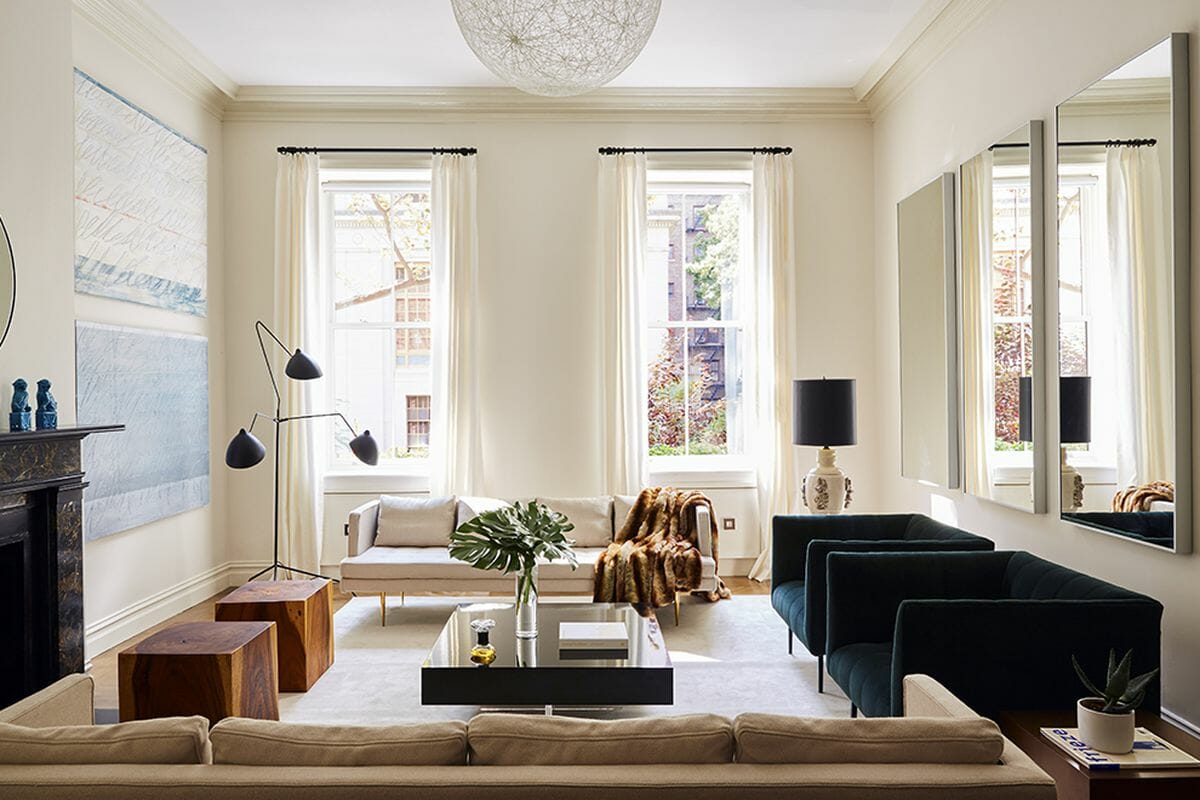
1. Harness Layered Illumination
Layering is the bedrock of any transformative scheme:
- Ambient Light: The foundational glow that banishes gloom. Recessed canisters, semi-flush mounts, or cove strips deliver the general luminance required for a base level of brightness.
- Task Light: Focused beams for reading nooks, kitchen counters, and workstations. Adjustable desk lamps, swing-arm sconces, and under-cabinet strips ensure functional clarity without swallowing space.
- Accent Light: Small spotlights or picture lights that highlight art, architectural alcoves, or verdant specimens. These pinpricks of radiance sculpt depth and dimension.
By layering ambient, task, and accent sources, you erase flatness and fabricate recesses where none truly exist—a key tenet of bigger room lighting.
2. Embrace Wall-Washing Fixtures
Wall washers are specialized fixtures that project a wide, even beam of light across vertical surfaces:
- Recessed Wall Washers: Installed close to the wall to flood it with soft, uniform illumination.
- Surface-Mounted Grazers: Slim linear profiles that hug the ceiling or floor, accentuating wall height.
- Adjustable Flood Heads: Small multi-directional heads fitted on tracks can pivot to evenly light broad expanses.
This technique flattens texture, conceals imperfections, and maximizes perceived square footage by pushing boundaries outward.
3. Elevate Ceilings with Cove and Tray Lighting
Concealed light sources within architectural recesses craft an ethereal uplight that lifts the eye upward:
- Perimeter Cove LEDs: Hidden within crown moldings, LED strips cast upward beams that underscore ceiling height and create a floating effect.
- Tray Ceiling Inlays: When installed in recessed ceiling trays, LED tape produces a halo effect, visually deepening overhead space.
- Color-Shift Technology: Dim-to-warm or tunable-white options allow you to adjust color temperature, reinforcing spatial dynamism throughout the day.
By illuminating the ceiling plane, you engender an illusion of loftiness—an indispensable stratagem for bigger room lighting.
4. Use Mirrors and Reflective Surfaces
Reflective elements can almost double available light and space:
- Full-Length Mirrors: Lean them against walls opposite windows or primary light sources for maximum bounce.
- Mirrored Furniture: Console tables, corner cabinets, or shelving with mirrored faces propagate luminosity while minimizing visual clutter.
- High-Gloss Finishes: On cabinetry or accent walls, glossy lacquer reflects ambient glow, effectively “opening up” the room.
Mirrors and sheen collaborate to fracture light into myriad directions, shattering boundaries and imparting a sense of boundless depth.
5. Optimize Color Temperature and CRI
Color temperature (Kelvin) and Color Rendering Index dictate how spacious—yet comfortable—a space feels:
- Warm Whites (2700–3000K): Offer cozy intimacy but can make small rooms feel snug rather than spacious.
- Neutral Whites (3500–4100K): Strike the perfect balance for bigger room lighting, delivering clarity without clinical sterility.
- Cool Whites (5000–6500K): Emulate daylight, casting an invigorating, expansive ambiance ideal for workspaces and kitchens.
- High CRI (≥90) bulbs preserve the fidelity of colors—essential for avoiding flat, washed-out surfaces that shrink perceived volume.
Selecting the right combination ensures that surfaces “pop” without accentuating shadows that betray spatial confinements.
6. Incorporate Floor-Level and Under-Furniture Lighting
Light at floor level can dissolve shadowy peripheries:
- Recessed Baseboard Strips: Thin LED modules concealed along baseboards create a continuous glow that outlines the room’s footprint.
- Under-Shelf and Under-Cabinet Tape: Illuminates lower cabinetry, bench seats, or open shelving, ensuring that corners don’t become light traps.
- Floating Furniture Glow: Concealed LED tapes beneath sofas, beds, or sideboards impart a levitating effect, visually expanding floor space.
This underfoot illumination guides the eye along room boundaries, smoothing transitions and camouflaging edges.
7. Streamline Fixtures and Favor Transparency
Bulky fixtures can dominate, making a room feel overburdened:
- Clear-Glass Pendants: Reveal bulbs within, dispersing light broadly without visual obstruction.
- Acrylic or Polycarbonate Shades: Diffuse luminescence without the mass of heavy materials.
- Wire-Frame Chandeliers: Offer sculptural interest while allowing light to penetrate unobstructed.
Opting for minimal, transparent luminaires prevents fixtures from carving out visual territories, preserving the sense of openness crucial for bigger room lighting.
8. Maximize Natural Light Synergy
Daylight is the ultimate expansive agent. Augment its power with these interventions:
- Sheer Window Treatments: Lightweight linens or voile drapes filter harsh direct rays while maintaining brightness.
- Light Shelves: Horizontal overhangs above windows bounce sunlight deeper into the room, diffusing glare and extending illumination.
- Reflective Blinds: White or metallic hues on interior blinds amplify sunlight rather than absorb it.
- Skylights and Solar Tubes: Channel daylight into windowless nooks, instantly expanding perceived dimensions.
A deliberate marriage of daylight and electric sources is the pinnacle of bigger room lighting.
9. Strategic Fixture Placement
Where you place a fixture can be as impactful as the fixture itself:
- Corner-Mounted Uplighters: Sit them at the nexus of two walls to bathe both surfaces in gentle glow, visually widening angles.
- Pendant Clusters Over Islands: Small multi-pendant groupings draw the eye upward and outward, expanding vertical and horizontal sightlines.
- Swing-Arm Wall Lamps: Extendable arms project light into alcoves and away from central floor areas, preserving unencumbered circulation space.
Precision placement allows each lumen to count, maximizing the expansiveness of every beam.
10. Maintain Uniform Light Distribution
Harsh contrasts can delineate boundaries—something you want to avoid:
- Uniformity Ratio: Aim for a 3:1 ratio between brightest and dimmest zones; lower ratios result in softer, more expansive perception.
- Diffusers and Baffles: Soften beams to prevent glare and spotlight ponds of brightness that contract space.
- Wide-Angle Lenses: On downlights and track heads, these spread light broadly, minimizing hotspots.
Consistent luminance ensures the eye roams freely, never encountering abrupt penumbral traps that betray spatial confines.
11. Leverage Smart Controls and Scenes
Intelligent systems amplify flexibility and enhance perceived space:
- App-Based Dimming: Smooth fades from bright to soft light can transition a room from work mode to lounge mode without shifting spatial feel.
- Tunable-White Schedules: Morning’s crisp 5000K to evening’s soothing 2700K simulates natural diurnal shifts, dynamically modulating spatial perception.
- Voice Commands: “Set to spacious mode” or “activate wide wash” for hands-free adjustments that uphold the illusion of effortless openness.
Smart controls allow instant reconfiguration of your bigger room lighting strategy to suit varied activities.
12. Use Accent Gels and Subtle Color
Occasional, restrained color can coax walls visually outward:
- Soft Cyan or Mint Tints: Cool pastels can recede, making walls appear more distant.
- Warm Amber Highlights: When applied judiciously in small niches or coves, amber can lift surfaces without shrinking them.
- Bi-Color LED Strips: Toggle between pure white and subtle hues to create contrasting planes that augment depth.
A calibrated chromatic palette, paired with neutral bases, elevates sense of volume without disorienting the eye.
13. Integrate Reflective Furnishings
Beyond mirrors, other reflective surfaces amplify light:
- Polished Marble or Granite: On countertops or flooring, these surfaces sheathe sunlight, cavorting it across the room.
- Brushed Metal Accents: Stainless steel or brass fixtures and décor pieces capture specular highlights.
- Glass-Top Tables: Transparent tabletops preclude visual barriers, allowing light to flow unimpeded.
These substrates scatter and magnify light, shattering compactness.
14. Avoid Heavy Shadows with Multiple Light Sources
Relying on a lone overhead fixture invites oppressive shadows:
- Supplement Downlights with Sconces: Evenly spaced wall sconces offset central shadows, creating open, haloed perimeters.
- Table and Floor Lamp Pairings: Distributed point sources fill in low-level dark zones, smoothing transitions.
- Track Lighting Spines: Multi-head tracks integrated across ceilings guarantee consistent overhead coverage without fixture bulk.
A constellation of light sources banishes anchor points of darkness that shrink perception.
15. Utilize Ceiling Fans with Integrated Lights
Multifunctional fixtures save space and elevate perception:
- Low-Profile LED Fans: Offer 360° diffusion while moving air—movement distracts from boundaries.
- Translucent Blades: Allow skylight and accent light to pass through, preserving illumination continuity.
- Remote Dimming: Adjust light output without altering fan speed, maintaining luminous volume.
Fans with built-in luminaires meld form and function, reinforcing spatial unity.
16. Plan for Decluttered Lines
Cluttered corners appear smaller; lighting can help or hinder:
- Cable Management: Conceal wires in cord channels to avoid visual noise that fragments space.
- Fixture Integration: Use integrated LED profiles rather than add-on lamps.
- Minimalist Mounts: Surface-mounted tracks and shallow downlights preserve clean architectural lines.
Unbroken sightlines—uninterrupted by dangling cords or bulky posts—amplify expansiveness.
17. Harness Perceptual Psychology
Understanding how the eye interprets light and shadow helps you design with intent:
- Brightness Precedence: The eye gravitates toward the brightest area; placing accent lights near corners pulls attention outward.
- Contrast Minimization: Soft gradients ease transitions between planes, preventing sudden drops into darkness that delimit space.
- Edge Blur: Subdued illumination at edges of furniture and walls “blurs” boundaries, lending a floating, wider feel.
A nuanced grasp of visual cognition allows you to deploy bigger room lighting with surgical precision.
18. Seasonal and Diurnal Adaptations
Tailor your scheme to time of day and season:
- Summer’s High-Angle Sun: Combine interior shutters with sheer treatments to filter glare and bounce daylight.
- Winter’s Low Sun: Retract shading completely, leveraging raw solar energy to flood interiors.
- Daylight Sensors: Dimming electric lights in response to outdoor brightness extends perceived space by synchronizing indoors with outdoors.
Periodic adjustments ensure that your expansive illusions persist year‑round.
19. Accent Architectural Features
Use lighting to draw attention to open archways, alcoves, and beams:
- Linear LEDs Within Beams: Underscore structural elements, guiding the eye along longitudinal lines.
- Recessed Niche Downlights: Highlight built-in shelves or mantel alcoves, reframing them as design vignettes.
- Cove Outlining: Trace ceiling trims with slim light channels to visually elevate crown moldings and increase perceived height.
By illuminating the “void” around structural details, you carve new zones and expand the sensed footprint.
Creating the illusion of spaciousness is an artful synergy of layered light, reflective strategies, and psychological acuity. By embracing the principles of bigger room lighting—from wall-washing and cove uplighting to transparent fixtures and smart controls—you can coax even modest quarters into feeling boundless. Illuminate with intention, and witness your walls recede beyond their actual limits, unlocking a newfound sense of open-air liberty within your home.



More Stories
How to Evaluate Information on the Internet
The Best Places to Install Retractable Screens Around Your Home
Illuminate Your Space: Creative Home Lighting Ideas for Every Mood