
Lighting Tips to Brighten Every Room lighting transforms a space into an experience. It doesn’t just illuminate—it defines mood, guides movement, and breathes vitality into even the quietest corners. When strategically designed, bold, beautiful lighting can brighten room lighting and uplift every inch of your home.
Let’s explore how you can master the art of lighting to truly make every room glow with purpose and personality.
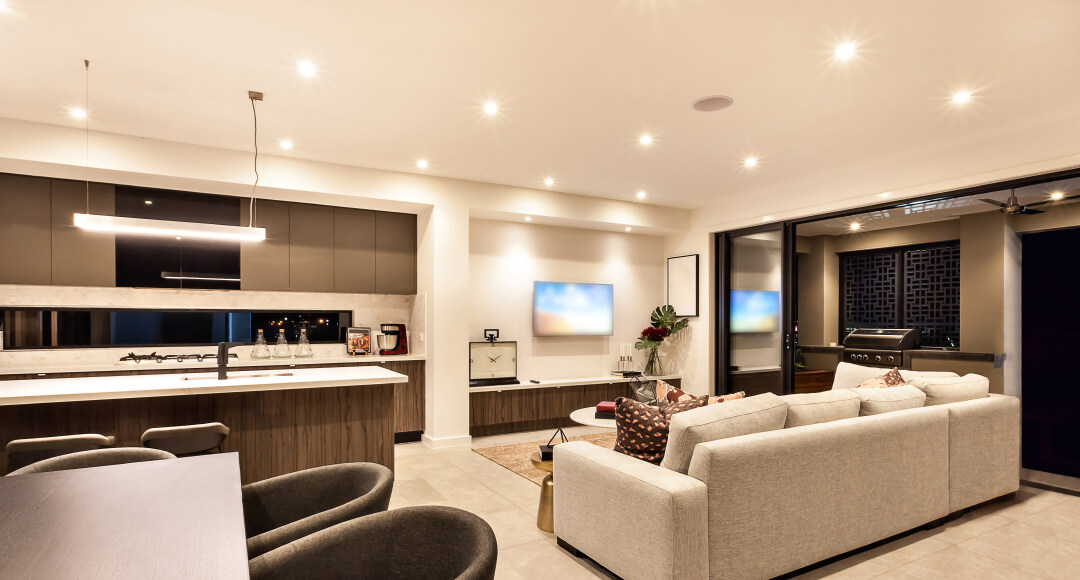
1. Layer Your Lighting Like a Pro
Creating depth and dynamism starts with layering:
Ambient lighting provides general illumination—think ceiling lights, chandeliers, or recessed lighting.
Task lighting supports focused activities, such as reading, cooking, or grooming.
Accent lighting adds drama and highlights—think of art lights or uplighting on architectural features.
Blending these three lighting types is essential. It allows light to flow naturally, creating rooms that feel both functional and fabulous.
2. Welcome Natural Light First
Start with what nature offers. Pull back heavy curtains. Use sheer drapes or linen panels that invite the sun to dance across the walls.
- Install mirrors to reflect natural light into darker areas.
- Position furniture to avoid blocking windows.
- Paint walls in soft, reflective hues—like warm whites or dusty creams.
- Consider glass partitions or interior windows to share daylight between rooms.
Nothing can brighten room lighting quite like the sun.
3. Choose the Right Bulbs for the Right Mood
Bulbs come with different personalities:
- Warm white (2700K–3000K): great for bedrooms and living rooms
- Cool white (3500K–4100K): ideal for kitchens and home offices
- Daylight (5000K–6500K): energizing and best used sparingly in workspaces
Also consider CRI (Color Rendering Index). A CRI of 90+ means colors look true to life, crucial when you’re lighting art, food, or fashion.
4. Highlight Architectural Elements
Turn architectural quirks into features with focused lighting.
- Cove lighting adds elegance to tray ceilings.
- Uplights dramatize stone walls or textured plaster.
- Recessed floor lights define hallways or corners.
Thoughtfully placed lighting doesn’t just reveal space—it tells a story.
5. Tailor Lighting to Each Room’s Purpose
Each room has its rhythm. Let the lighting reflect that.
Living Room: Mix ambient ceiling lights with cozy lamps and wall sconces.
Kitchen: Combine bright overhead fixtures with under-cabinet task lighting.
Bedroom: Embrace warm bedside lamps or pendant lights.
Bathroom: Use wall sconces at eye level for shadow-free mirrors.
Let function guide your fixture choices, and the vibe will follow.
6. Master the Magic of Dimmers
Dimmers are mood-makers. They allow one light source to play multiple roles throughout the day.
Use them on overheads, sconces, even chandeliers. In the evening, reduce brightness to ease into rest. During gatherings, soften the lighting to encourage conversation.
Dimming transforms everyday lighting into a dynamic, adaptable design element.
7. Amplify with Reflective Surfaces
Enhance lighting’s reach with high-shine finishes:
- Mirrors—big or small—reflect and multiply light.
- Metallic frames, hardware, and trays catch light like jewels.
- Glossy tiles or polished floors act as luminous surfaces.
These touches help brighten room lighting without adding a single bulb.
8. Add Personality with Fixtures
Light fixtures are functional sculptures. Don’t hold back.
Go bold with a statement chandelier in the foyer. Add quirky sconces in a hallway. Try oversized pendants over the dining table.
Choose lighting that matches your personality—whether it’s sleek and modern or rustic and romantic.
9. Use Light to Create Zones
Open-concept spaces benefit greatly from lighting that defines areas.
- Use a pendant to anchor the dining zone.
- Floor lamps carve out a reading nook.
- Recessed lights over the kitchen island bring focus.
Lighting helps organize a space without walls.
10. Avoid Common Lighting Mistakes
Even beautiful rooms can be dulled by poor lighting. Watch out for:
- Too much overhead lighting: creates harsh shadows. Balance it with ambient and accent sources.
- Inconsistent color temperatures: leads to visual chaos. Stick with one tone per space.
- Lack of task lighting: makes functional areas hard to use. Prioritize focus zones.
- Over-bright bulbs: wash out a room. Instead, layer softer light sources.
Good lighting design avoids overkill while still providing plenty of glow.
11. Let Lighting Evolve with the Day
Your home’s lighting should adjust to your body’s needs.
- Morning: Crisp, energizing light helps you wake up.
- Afternoon: Natural light reigns. Supplement as needed.
- Evening: Warm, soft lighting signals rest.
Set your lighting to work with your circadian rhythm, not against it.
12. Small Space, Big Impact
In compact rooms, lighting becomes even more important.
Use wall sconces instead of floor lamps to save space. Add LED strips under shelves or behind headboards for subtle glow. Go vertical with tall lamps to lift the eye.
Strategic lighting can make even a tiny room feel spacious and sophisticated.
13. Play with Color and Shadows
Light can be playful.
Use colored LED strips for mood (just don’t go full nightclub unless that’s your thing). Add a fixture with patterned shades to cast beautiful shadows. Try tinted glass pendants for a soft amber hue.
Light can be a canvas for creativity—don’t be afraid to paint with it.
14. Experiment with Layer Heights
Use a mix of ceiling, mid-level, and low-level lighting for a balanced look.
- Chandeliers or flush mounts overhead
- Sconces or wall lamps at mid-level
- Table lamps, floor lamps, or toe-kick lighting near the ground
This vertical layering creates a sense of richness and comfort, helping brighten room lighting while avoiding flatness.
15. Invest in Smart Lighting
Smart lighting systems give you total control.
- Set routines that match your schedule
- Adjust color temperature throughout the day
- Control lights remotely or by voice
- Save energy by automating on/off cycles
Smart bulbs and switches bring flexibility and sustainability into your lighting plan.
16. Create Focal Points
Use lighting to draw the eye where it matters most.
- Spotlight artwork
- Add pendant lights over kitchen islands
- Use uplights on bookshelves or display cabinets
Lighting can frame, highlight, and elevate your most cherished elements.
17. Accent Unexpected Spaces
Add surprise elements with lighting:
- Light inside glass cabinets or drawers
- Toe-kick lighting under vanities
- LED strips behind the TV or headboard
- Mini pendants above nightstands
Unexpected lighting adds charm and intrigue—delight is in the details.
18. Seasonal Lighting Shifts
As seasons change, so should your lighting.
- In winter, increase warm, cozy light levels
- In summer, emphasize brightness and daylight
- During holidays, sprinkle in twinkle lights and candles
- Use lighting to create a seasonal sense of time and place
Let lighting help you celebrate the rhythms of the year.
19. Don’t Forget Outdoor Lighting
Your home’s glow shouldn’t end at the front door.
- Use lanterns or wall lights for porch ambiance
- Add path lighting for safety and charm
- Highlight trees or garden features with spotlights
- Use string lights to create magic on the patio
Outdoor lighting extends your living space and boosts curb appeal.
20. Light as Wellness
Light affects sleep, productivity, and mental clarity.
It’s not just about style—it’s about health.
Blue-light-reducing bulbs for evening, full-spectrum lighting for work areas, and warm ambient light for relaxation can support your physical and emotional wellbeing.
Good lighting isn’t a luxury. It’s essential.
Lighting is more than illumination—it’s atmosphere, intention, and energy. With thoughtful design and the right balance of natural light, bulb choice, and fixture placement, you can effortlessly brighten room lighting in ways that delight and inspire.
Design with light, and your space will radiate exactly what you need—be it clarity, calm, or celebration.



More Stories
How to Evaluate Information on the Internet
The Best Places to Install Retractable Screens Around Your Home
Illuminate Your Space: Creative Home Lighting Ideas for Every Mood