
Interior Design with Natural Materials crafting interiors that celebrate the innate beauty of the earth transforms houses into sanctuaries of warmth, authenticity, and well-being. When you embrace Natural Material Design, every surface, every fixture, and every accent becomes an ode to organic textures and time-honored craftsmanship. From the whisper of woven fibers to the stately presence of stone, natural materials lend spaces a rooted sense of calm and provenance.
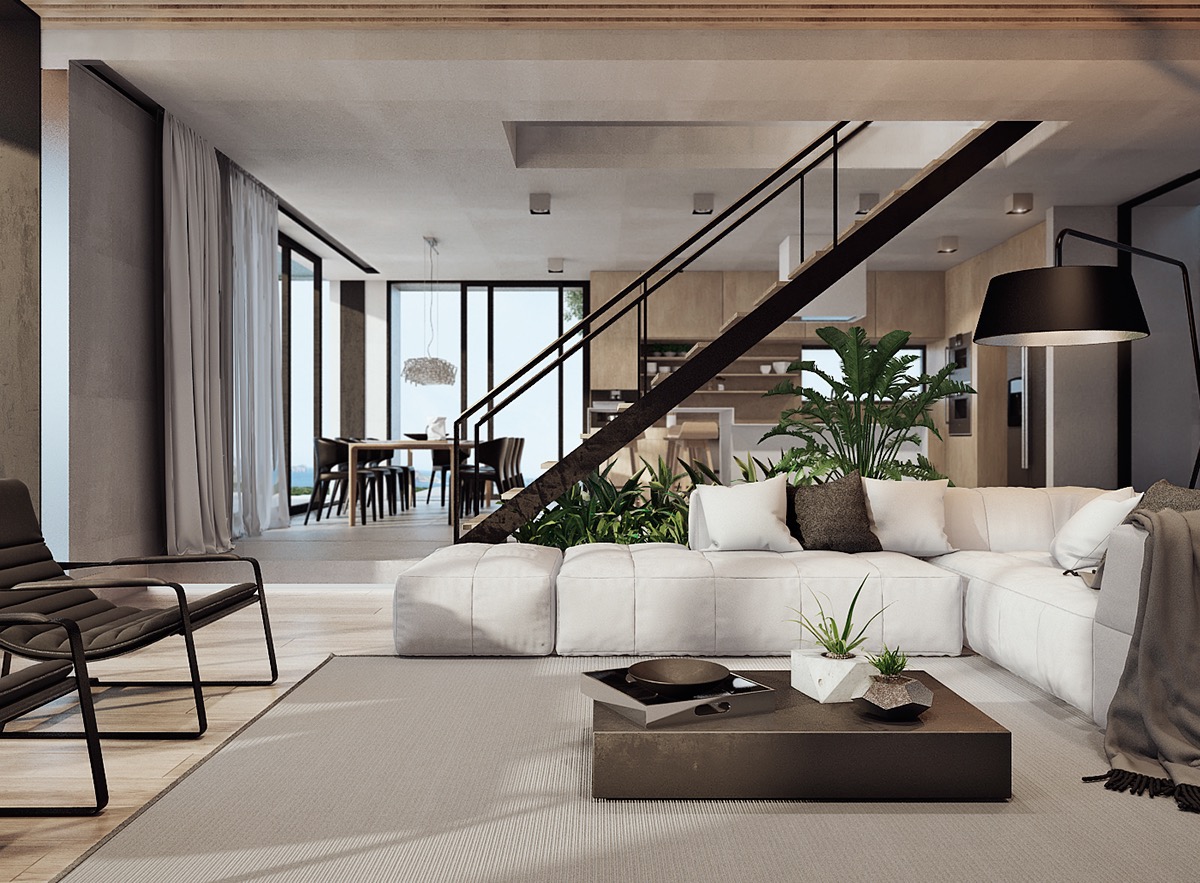
1. The Philosophy of Natural Material Design
At its core, Natural Material Design is a philosophy, not a trend. It’s a commitment to sourcing materials that bear the fingerprints of nature—each knot in wood, each veined slice of marble, each undulation in hand-thrown clay. This approach honors the planet’s bounty and nurtures a biophilic connection, fostering psychological and physiological well-being.
Short sentence.
Nature matters.
By foregrounding authenticity over artifice, this design ethos underscores longevity and sustainability. Spaces shaped by Natural Material Design feel alive, resonant with the slow rhythms of the natural world.
2. The Benefits of Going Natural
Integrating natural materials into interiors offers a myriad of advantages:
- Biophilic Well-Being: Wood, stone, and plant-based fibers evoke primal connections, reducing stress and enhancing mood.
- Timeless Aesthetic: Organic textures age gracefully, developing patina and character.
- Environmental Responsibility: Responsibly harvested or reclaimed materials minimize carbon footprints and support circular economies.
- Unique Imperfections: Natural variations ensure that no two slabs of marble or planks of oak are identical—each tells its own story.
These benefits coalesce to form spaces that are not just visually compelling but nurturing—a hallmark of Natural Material Design.
3. Core Materials and Their Qualities
3.1 Solid Wood
Whether quarter-sawn oak, walnut, or bamboo, wood brings tactile warmth and visual richness. Grain patterns range from striated ribbons to wavy marbling, offering limitless design possibilities. For enduring appeal, select FSC-certified or reclaimed wood to ensure ethical sourcing.
3.2 Natural Stone
Marble, limestone, and slate impart a sense of permanence. Veined Carrara marble adds luminosity; matte travertine floors evoke earthy gravitas; soapstone countertops develop a soft sheen over time. Stones with honed or chiseled finishes accentuate their inherent tactility.
3.3 Handcrafted Ceramics
Pottery kilns produce ceramic tiles and vessels that bear subtle glitch-like crackles, known as crazing, which lend an artisan’s touch. Unglazed terracotta and matte porcelain tiles enrich floors and walls with irregular charm.
3.4 Woven Natural Fibers
Rattan, seagrass, jute, and sisal transform surfaces into tactile tapestries. Woven pendant lights, braided rugs, wicker baskets—each undulation and fiber strand contributes to a multi-sensory experience.
3.5 Leather and Hide
Vegetable-tanned leather, exhibited in sumptuous upholstery or wall panels, patinates beautifully. Cowhide rugs and suede-wrapped accent chairs inject refined rusticity while providing durability.
3.6 Solid Metals
Brushed brass, oxidized copper, and wrought iron are natural materials that weather elegantly. Metal accents—drawer pulls, light fixtures, and structural frames—yield a nuanced, patinated contrast to softer elements.
These foundational materials form the lexicon of Natural Material Design, allowing infinite permutations of texture and tone.
4. Layering Textures: A Tactile Tapestry
In Natural Material Design, layering materials creates depth and richness. Consider this stratagem:
- Primary Plane: Unify the base—wide-plank wood floors or stone slabs.
- Secondary Surfaces: Introduce ceramic tile backsplashes, plaster walls, or textile wallcoverings.
- Soft Accents: Weave in area rugs, linen drapes, and wool throws.
- Metallic Punctuations: Incorporate subtle brass or iron detailing on cabinetry or lighting.
- Organic Decor: Add potted plants, driftwood sculptures, or stone artifacts.
Short sentence.
Layering matters.
This tiered approach ensures every touchpoint teems with artisanal verve and sensory intrigue.
5. Architectural Interventions
5.1 Exposed Timber Beams
Leaving structural beams visible—whether original or reclaimed—injects architectural honesty. These beams anchor ceilings with a sculptural gravitas, accentuated by uplighting that traces their contours.
5.2 Stone Accent Walls
A feature wall clad in stacked stone or bookmatched marble becomes a dramatic focal point. The irregular surfaces of natural stone catch shifting daylight, casting subtle chiaroscuro across the room.
5.3 Clay Plaster and Tadelakt
Venetian plaster or Moroccan tadelakt walls possess a fluid, undulating texture. These finishes breathe and manage humidity, enhancing indoor air quality while conveying tactile opulence.
5.4 Integrated Built‑Ins
Custom cabinetry wrapped in laminated wood veneers or stone-faced niches preserve sightlines and create seamless storage. Recessed shelving in raw wood allows objects to float, suspended within the grain.
Architectural elements grounded in Natural Material Design imbue rooms with authenticity and narrative depth.
6. Furniture Selections: Celebrating Craftsmanship
Furniture is the stage upon which materials shine.
- Hand‑Turned Tables: A solid ash or walnut dining table, turned by a master craftsman, exhibits concentric growth rings and subtle tool marks.
- Woven Lounge Chairs: Mid‑century works by designers like Hans Wegner showcase natural cane weaving over birch frames.
- Live‑Edge Benches: Tables and consoles retaining the tree’s organic silhouette cradle raw edges as sculptural statements.
- Stone‑Topped Consoles: A steel frame bearing a honed marble slab fuses industrial and organic sensibilities.
Pro tip: Mix antique pieces with bespoke modern creations to underscore the continuum of human handiwork.
7. Biophilic Accents: Bringing Life Indoors
The synergy of Natural Material Design and biophilia amplifies well-being.
7.1 Living Walls
Panels of moss, ferns, and trailing ivy flourish in vertical gardens, purifying air and acting as living tapestries.
7.2 Potted Specimens
Statement plants—Monstera deliciosa, Fiddle-leaf fig, or Kentia palms—introduce sculptural greenery and organic silhouettes.
7.3 Botanical Artwork
Pressed floral frames, botanical prints, and taxonomic charts foreground the diversity of plant life, forging scholarly elegance.
Integrating plant life within natural-material-rich interiors cements a visceral connection to ecosystems.
8. Color Palettes: Earth‑Toned Harmony
Natural materials suggest palettes rooted in earth’s spectrum:
- Terracotta Reds: Evocative of sun‑baked clay.
- Mossy Greens: Mimicking forest undergrowth.
- Ochre Yellows: Warm, dusty hues reminiscent of desert landscapes.
- Slate Blues: Cool, mineral tones suggesting riverbed stones.
- Charcoal Grays: Graphitic depths providing contrast.
- Creamy Beiges: Neutral canvases that amplify textural interplay.
Short sentence.
Earth tones soothe.
A restrained chromatic scheme ensures that material textures remain the protagonists of Natural Material Design.
9. Lighting Strategies for Natural Materials
Lighting reveals—and reveres—organic textures.
- Grazing Light: Illuminate stone or plaster walls with narrow-beam uplights to dramatize undulations.
- Pendant Assemblages: Rattan or wicker shades filter light, casting biomorphic shadows.
- Recessed Warm LEDs: Simulate the sun’s golden hour, accentuating wood grains and metal patinas.
- Skylights and Clerestories: Daylighting apertures flood interiors with natural illumination, showcasing materials in true color.
Thoughtful illumination transforms Natural Material Design from static surfaces into living, breathing environments.
10. Sustainable Sourcing and Ethical Considerations
True Natural Material Design embraces ecological stewardship:
- Reclaimed Resources: Salvaged wood beams, rescued floorboards, or repurposed stone slabs carry provenance and reduce landfill waste.
- Locally Harvested Materials: Sourcing regionally minimizes transport emissions and supports local ecosystems.
- Certifications: Look for FSC, PEFC, or other eco‑labels that verify responsible forestry and mining practices.
- Low‑VOC Finishes: Natural oils, waxes, and mineral pigments preserve indoor air quality.
Ethical material choices elevate design from mere aesthetics to a conscientious métier.
11. Case Studies: Exemplars of Natural Material Design
11.1 The Scandinavian‑Inspired Retreat
Pine floorboards with white‑washed grain; juniper‑infused plaster walls; birch plywood bookcases; hand‑woven wool rugs in muted ochres. The result: a hygge-infused refuge rooted in minimalism yet textured with warmth.
11.2 The Mediterranean Villa
Terracotta tiled floors; tadelakt plaster in cool olive-green; reclaimed chestnut beams; cotton-linen drapes catching sea breezes; ceramic majolica tiles portraying local flora. Each material narrates the region’s cultural tapestry.
11.3 The Urban Loft Conversion
Exposed brick walls refurbished and sealed; polished concrete floors with aggregate flecks; live-edge oak countertops; modular shelving in reclaimed pine; copper-framed glass partitions. This loft’s raw authenticity celebrates industrial heritage and organic finesse.
Each scenario showcases how Natural Material Design adapts across typologies, climates, and cultural contexts.
12. Common Pitfalls and How to Avoid Them
- Overuse of a Single Material: Too much wood or stone can feel monolithic. Strive for balanced juxtapositions.
- Neglecting Maintenance Needs: Unsealed stone or untreated wood may stain or warp; factor in protective finishes.
- Incoherent Palette: Clashing earth tones can jar rather than soothe; test samples in situ under varied lighting.
- Ignoring Scale and Proportion: Large slabs of marble in a compact room can overwhelm; break surfaces into smaller modules.
By anticipating these challenges, designers can uphold the integrity of Natural Material Design.
13. Step‑by‑Step Blueprint for Implementation
- Site Analysis: Assess existing materials, light conditions, and spatial flows.
- Material Library: Collect swatches of wood finishes, stone samples, ceramic tiles, and textile fragments.
- Palette Definition: Choose 3–5 complementary earth‑toned hues.
- Key Focal Points: Identify areas—fireplaces, accent walls, kitchen islands—to showcase premium materials.
- Furniture and Fixture Alignment: Source handcrafted pieces that resonate with the material palette.
- Layering Textures: Plan flooring, walls, furnishings, and accessories in hierarchical strata.
- Lighting Integration: Design a layered lighting scheme that accentuates material textures.
- Sourcing Strategy: Prioritize reclaimed, local, and certified materials.
- Mock‑Ups and Prototypes: Test small installations—sample walls, flooring mock‑ups—before full-scale execution.
- Installation and Finishing: Engage skilled craftsmen for plastering, stone-setting, and woodwork.
- Curation of Accents: Finalize with botanical elements, artisan ceramics, and soft textiles.
- Ongoing Care Plan: Establish maintenance routines—oil wood annually, reseal stone every few years.
This methodical process ensures that Natural Material Design is realized with precision and authenticity.
14. Evolving Trends in Natural Material Design
While the principles of natural-material-centric interiors remain steadfast, emerging trends refine the approach:
- Biomimetic Surfaces: Engineered materials replicating the micro‑textures of leaves or coral, offering durable alternatives with organic aesthetics.
- Mycelium‑Based Composites: Fungal-root materials grown into architectural panels, combining circularity with tactile novelty.
- Upcycled Ocean Plastics: Filament-woven textiles and floor tiles incorporating reclaimed marine debris, marrying sustainability with innovation.
- Translucent Stone Panels: Paper‑thin marble backlit to reveal veining, fusing natural grandeur with modern lighting design.
These advancements expand the vocabulary of Natural Material Design, blending traditional authenticity with pioneering innovation.
15. Emotional Resonance and Well‑Being
Spaces conceived through Natural Material Design resonate on a profoundly human level. Tactile warmth induces calm; organic irregularities engage the senses; biophilic connections reduce anxiety and enhance cognitive function. Inhabiting such interiors fosters a sense of stewardship, reminding occupants of their bond to the natural world.
Short sentence.
Health matters.
In the final analysis, the true measure of success lies not in fleeting aesthetics but in the enduring comfort, beauty, and well-being that natural materials bestow.
Interior design anchored in the inherent beauty of timber, stone, clay, and fiber creates environments that are as nurturing as they are elegant. Through judicious material selection, layered textures, sustainable sourcing, and thoughtful craftsmanship, Natural Material Design transcends mere décor to become a holistic, multisensory experience. Embrace the earth’s own artistry, and craft spaces that breathe, resonate, and endure—testaments to the timeless dialogue between humanity and the natural realm.



More Stories
Revive Your Space: 5 Styling Hacks to Transform Any Room
10 Innovative Design Ideas to Transform Any Space from Ordinary to Extraordinary
2024’s Most Unexpected Interior Trends That Will Surprise You