
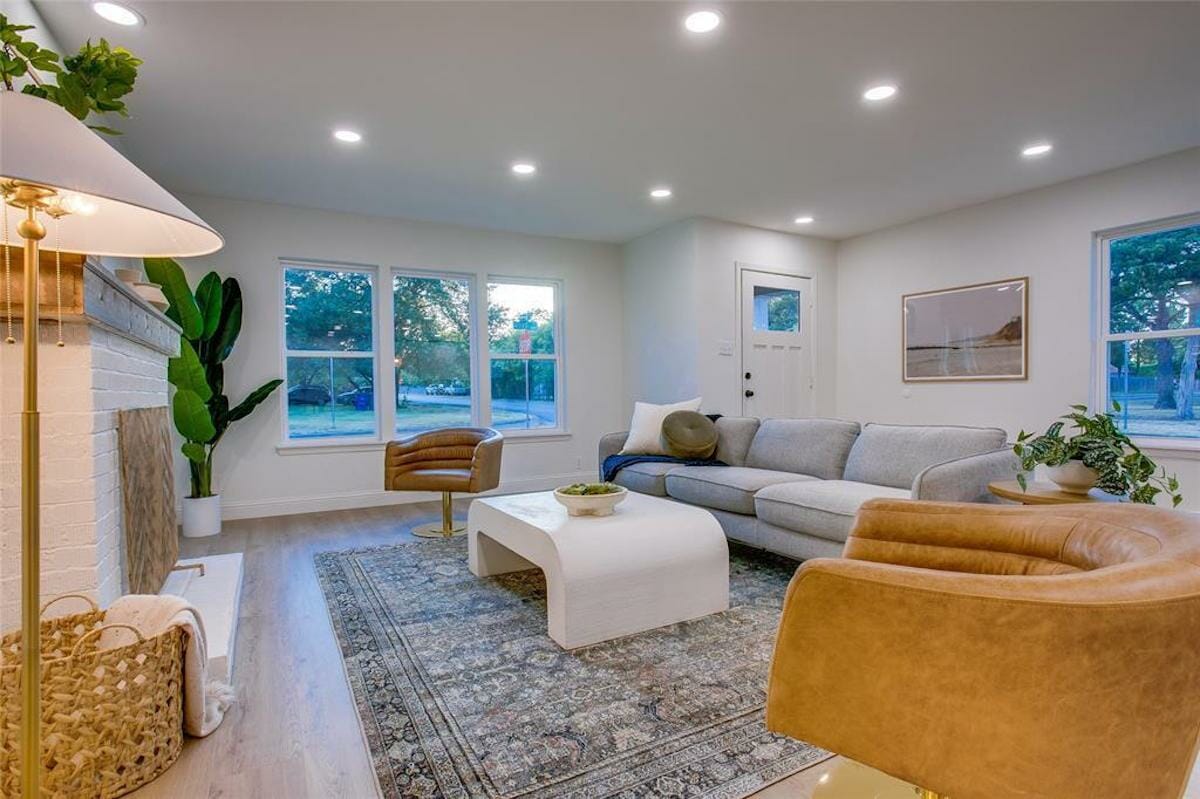
Interior Design That’s Budget Friendly creating a beautiful home on a shoestring budget is both an art and a science. With creativity, resourcefulness, and a few insider techniques, you can transform any space into a showcase without breaking the bank. Embracing Budget Friendly Design means thinking laterally, prioritizing high-impact interventions, and celebrating the charm of imperfection.
1. The Philosophy of Affordable Style
Good design doesn’t require deep pockets; it demands ingenuity. At the heart of Budget Friendly Design lies a few core tenets:
- Prioritize Impact Zones: Focus your efforts on areas that immediately catch the eye—entryways, feature walls, and main living spaces.
- Layering Over Lavishness: Combine inexpensive elements in multiple layers—paint, accessories, textiles—to create depth and richness.
- Embrace Imperfection: Slight irregularities, visible brush strokes, and patinated finishes add character and disguise budget constraints.
Short sentence.
Creativity counts.
When you view limitations as catalysts rather than obstacles, every project becomes an opportunity for playful experimentation.
2. Planning Your Budget-Friendly Makeover
A well-crafted plan is the backbone of any successful budget renovation. Follow these steps:
- Audit Your Existing Assets: Identify furniture, textiles, and décor you already own that can be refreshed or repurposed.
- Set Clear Priorities: Rank projects by visual impact and cost—e.g., painting a feature wall versus retiling an entire bathroom.
- Allocate a Contingency: Reserve 10–15% of your budget for unexpected expenses or spontaneous splurges.
- Create a Moodboard: Collect swatches, magazine tear-outs, and online images to visualize your cohesive theme.
Layer long-term investments (like flooring) with quick wins (like new cushions) for maximum effect.
3. High-Impact, Low-Cost Paint Solutions
Paint remains one of the most transformative tools in the designer’s arsenal.
3.1 Feature Walls and Accent Stripes
- Half-and-Half: Paint the lower half of a wall a bold accent, topped by a neutral cream or grey. The horizontal split adds architectural interest.
- Geometric Patterns: Use painter’s tape to create triangles, chevrons, or hexagons for modern flair.
- Ombre Transitions: Blend two or three complementary hues vertically or horizontally for a soft, gradient effect.
3.2 Faux Finishes
- Limewash Look: Dilute matte paint with water to achieve a translucent, historic limewash patina.
- Sponging & Rag-Rolling: Dab or roll paint to mimic plaster or stucco textures without the cost of real plaster.
- Color Washing: Apply a glaze over a base coat, wiping with a rag to reveal subtle variations.
Short sentence.
Paint magic.
With under $50 and a handful of rollers, you can reset the entire aesthetic of a room.
4. Repurposing and Upcycling: Thrifted Treasures
Vintage shops, flea markets, and online marketplaces are treasure troves for Budget Friendly Design.
- Reupholster Old Chairs: Inexpensive fabric and basic tools let you breathe new life into tired seating.
- Distressed Makeovers: Sand and whitewash wooden tables to evoke a romantic, timeworn vibe.
- Drawer Pull Swaps: Replace generic knobs with unique ceramic or brass finds for a fraction of new furniture cost.
Interspersing mid-century sideboards with secondhand accent chairs creates curated eclecticism without the retail markup.
5. Strategic Furniture Investments
Not every piece needs to be DIY. Allocate your budget strategically:
- Anchor Pieces: Splurge modestly on a sofa or bed frame that will see daily use and set the tone.
- Versatile Multipurpose: Opt for a coffee table with storage or a sofa-bed to maximize functionality.
- Statement Accents: Hunt for a vintage sideboard or sculptural lamp that can serve as a conversation starter.
Short sentence.
Spend smart.
Once these showstoppers are in place, fill in around them with thrifty finds and DIY accents.
6. Affordable Flooring and Rugs
Flooring can be daunting, but there are budget-friendly routes:
- Peel-and-Stick Vinyl Tiles: Modern designs mimic wood, stone, and geometric patterns—no glue or grout needed.
- Painted Floorboards: A lick of floor-specific paint in checkerboard or striped layouts adds instant charm.
- Layered Rugs: Combine a jute base rug with a smaller, colorful kilim or shag rug to define zones and add texture.
Rugs also protect underlying surfaces, extending flooring lifespan—dual functionality at low cost.
7. Lighting Upgrades on a Dime
Proper lighting can transform the perception of space and quality:
- Plug-In Sconces: Wall-mounted fixtures that require no electrician, clipped into simple brackets.
- DIY Pendants: Repurpose wicker baskets or wire baskets as lamp shades over a bulb and cord kit.
- LED Tape Under-Cabinets: In kitchens and workspaces, this inexpensive strip light adds both ambiance and utility.
Short sentence.
Light matters.
Targeted replacement of a few key fixtures elevates an entire room’s ambience.
8. Textiles: Luxe Looks for Less
Fabrics have an outsized effect on perceived luxury:
- Batch-Purchased Curtains: Buy wide-width dropcloth canvas or linen remnant by the yard; sew simple panels.
- Cushion Covers: Invest in a handful of nature-versus-nurture textiles—velvet for opulence, hemp for earthiness.
- Throws and Blankets: Inexpensive faux fur or knit throws folded over a chair define cosy corners.
Textiles soften rooms, absorb sound, and inject color and pattern, all at entry-level prices.
9. Accessorizing with Intention
Accessories need not cost the earth to look effortless:
- Greenery: Faux plants in budget pots look surprisingly real when arranged thoughtfully.
- DIY Art: Frame fabric remnants, wallpaper samples, or pressed botanicals for custom gallery walls.
- Collections: Group simple objects—bottles, shells, ceramic vessels—on trays to create intentional vignettes.
Short sentence.
Curate well.
An expertly arranged shelf of $5 finds can outshine a room full of expensive trinkets.
10. Open Shelving and Built-Ins
Built-ins often require carpentry, but you can fake it on the cheap:
- Floating Shelves: Simple pine boards with hidden brackets provide a sleek look for under $30 a shelf.
- Crate Stacks: Repurposed wooden crates painted uniformly become modular bookcases and displays.
- Repurposed Ladders: Lean an old wooden ladder against a wall for towels, throws, or hardware storage.
Open shelving celebrates your décor and organizes essentials without bulky cabinetry.
11. Creative Room Dividers
Zoning open-plan apartments doesn’t have to be expensive:
- Curtain Panels: Floor-to-ceiling curtains hung on ceiling-mounted tracks carve out private nooks.
- Tension Rod Screens: Install rods between floor and ceiling, drape textiles or macramé panels.
- DIY Shoji Screens: Use inexpensive shiplap slats and rice paper to craft lightweight, translucent partitions.
Short sentence.
Define space.
Temporary dividers let you reconfigure layouts seasonally or whimsically.
12. Green Design on a Budget
Sustainability needn’t cost extra:
- Refurbished Fixtures: Scour salvage yards for reclaimed sinks, faucets, and hardware.
- Eco-Paints: Many low-VOC brands cost only marginally more than conventional options.
- Energy-Efficient Bulbs: LED replacements pay for themselves through reduced energy bills.
Investing responsibly aligns style with conscience, another pillar of Budget Friendly Design.
13. Smart Tech, Small Price
Technology can add convenience without premium pricing:
- Smart Plugs: Under $15 each, they let you automate lamps and heaters via phone.
- Bluetooth Speakers: Compact units deliver rich sound without requiring hidden wiring.
- Programmable Bulbs: Single-color sockets that dim and schedule via a free app.
Short sentence.
Tech thrills.
Infusing a few smart elements boosts modernity without ballooning budgets.
14. Case Studies: Real-World Transformations
14.1 The City Studio Refresh
- Budget: $800
- Investments: A $300 modular sofa-bed, $100 on paint and supplies, $50 in LED strip lighting.
- DIY: Sponged feature wall, reupholstered two dining chairs, thrifted coffee table.
- Result: A multifunctional studio that feels airy, inviting, and distinctly personal.
14.2 The Suburban Dining Nook
- Budget: $500
- Investments: $150 in remnant upholstery fabric, $80 for roller blinds, $50 for pendant kit.
- DIY: Painted built-in bench, stenciled tabletop, repainted salvaged chairs.
- Result: A cozy breakfast corner echoing modern farmhouse style on a fraction of retail cost.
14.3 The Family Bathroom Revamp
- Budget: $1,000
- Investments: $200 for peel-and-stick tiles, $100 on new vanity knobs, $100 on LED vanity mirror.
- DIY: Painted cabinetry navy, installed adhesive backsplash, refinished old mirror frame.
- Result: A spirited, spa-like bath that belies its modest budget.
Short sentence.
Inspiration strikes.
These examples underscore how judicious spending and elbow grease can deliver magazine-worthy results.
15. Common Pitfalls and How to Avoid Them
- Impulse Buys: Random purchases bloat budgets and clash stylistically.
- Solution: Stick to your moodboard and list.
- Over-DIYing: Tackling advanced carpentry or electrical tasks can be costly if botched.
- Solution: Know your limits; hire a pro for critical work.
- Ignoring Scale: Too-small rugs or miniatures can make rooms feel awkward.
- Solution: Measure carefully and mock-up with tape outlines.
- Skimping on Essentials: Stools that wobble or cheap paint that peels create frustration.
- Solution: Invest in foundational quality—adhesive failure never shows the savings.
Short sentence.
Plan wisely.
Awareness of these errors keeps Budget Friendly Design both stylish and stress-free.
16. Step‑by‑Step Blueprint for Budget Design
- Audit: Catalog existing items and identify high-priority zones.
- Moodboard: Solidify your concept with images and swatches.
- Budget Breakdown: Allocate percentages to paint, furniture, textiles, lighting, and décor.
- Shopping Strategy: List preferred vendors—thrift stores, discount outlets, online marketplaces.
- DIY vs. Pro: Decide which tasks you can manage safely and when to hire help.
- Order of Operations: Sequence work logically—painting before upholstery, lighting before hanging art.
- Soft Launch: Add accessories and textiles last to preview the finished effect.
- Edit & Refine: Live in the space briefly, note missing elements, and make micro-adjustments.
Short sentence.
Execute efficiently.
Following this roadmap ensures your project stays on track, on time, and on budget.
Interior design on a budget is not about penny-pinching; it’s about maximizing value through creativity, planning, and judicious investment. By focusing on high-impact areas, embracing DIY and upcycling, and mixing modest splurges with thrifty finds, you can achieve Budget Friendly Design that looks curated by a professional. The true elegance lies in making thoughtful choices that resonate personally—proof that stylish living needn’t carry a hefty price tag.



More Stories
Revive Your Space: 5 Styling Hacks to Transform Any Room
10 Innovative Design Ideas to Transform Any Space from Ordinary to Extraordinary
2024’s Most Unexpected Interior Trends That Will Surprise You