
Interior Design That Uses Light Well crafting spaces that harness light isn’t just about flipping a switch or choosing a sunnier paint hue. It’s about weaving illumination into the very fabric of a room—elevating mood, accentuating form, and conjuring atmospheres that shift with the sun. When executed with intention, Light Friendly Interiors transcend mere decoration; they become living organisms, pulsating with radiance and warmth.
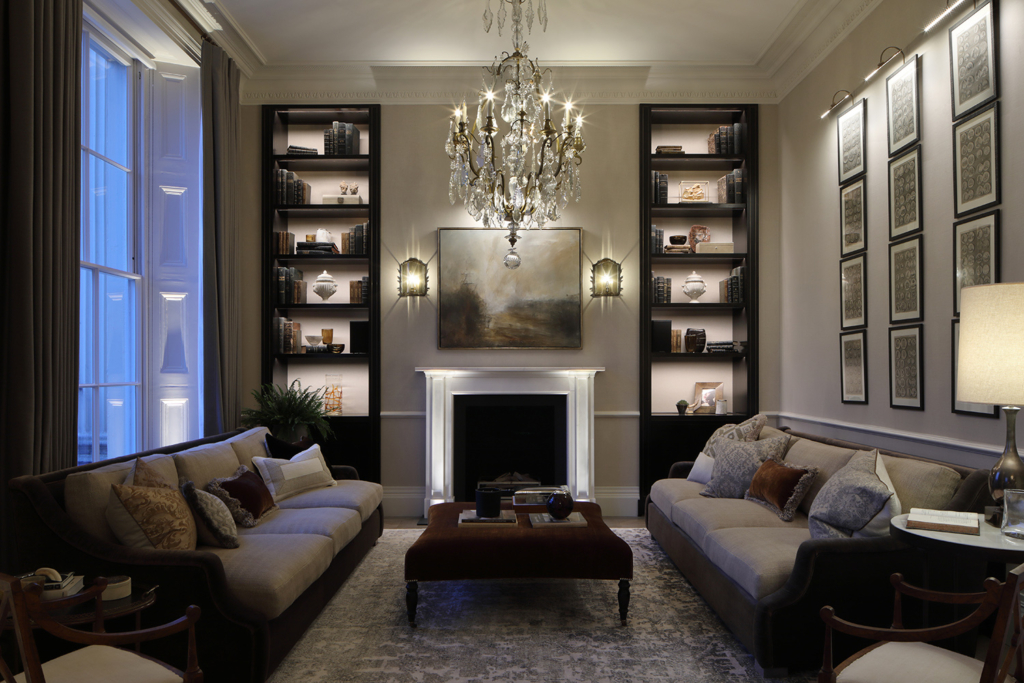
1. The Philosophy of Illuminated Spaces
Every expertly lit interior begins with a guiding ethos. Are you seeking serenity, dynamism, or theatrical drama? Do you want daylight to spill like liquid gold across floorboards, or prefer the soft glow of recessed cove lighting to envelop you in comfort? Establishing this philosophical foundation ensures your lighting decisions cohere into a unified narrative rather than a series of disjointed accents.
Core Tenet:
Light shapes perception more profoundly than any furnishing.
With this in mind, consider light not as an afterthought but as a primary material—on par with wood, stone, and textile.
2. Natural Versus Artificial: A Harmonious Dialogue
Nature’s luminance rivals the best-designed fixtures. Sunlight offers a full-spectrum brilliance, subtly shifting from cool morning beams to warm, amber dusk. Artificial sources, however, bring precision and control. In Light Friendly Interiors, these two forces don’t compete—they collaborate.
- Daylight as the Foundation: Harness sunlight through strategic window placement and minimal obstructions.
- Artificial Augmentation: Use LED strips, sconces, and pendants to fill in shadows and maintain ambience after sunset.
- Seamless Transitions: Automated systems that modulate artificial light in response to solar intensity foster an organic continuum.
This symbiosis is vital for interiors that feel alive both day and night.
3. Orienting for Maximum Daylight
Window orientation is the bedrock of any light-centric design. North-facing glazing provides consistent, diffused illumination—ideal for studios and galleries. East-facing windows usher in crisp morning light, while west-facing apertures bestow golden-hour warmth. South-facing expanses deliver robust sunlight but can risk overheating.
- East/West Balances: Mitigate glare with adjustable louvers or sheer drapes.
- North-Light Sanctuaries: Design creative workspaces where color fidelity matters.
- South Exposure Control: Incorporate overhangs or exterior brise‑soleil to filter harsh midsummer rays.
By analyzing solar trajectories, you cultivate Light Friendly Interiors that thrive year-round.
4. Reflective Surfaces: Multiplying Luminosity
Mirrors and glossy finishes are more than decorative flourishes. They function as optical amplifiers—bouncing light into recesses and animating shadowy corners.
- Polished Stone Countertops: Marble or quartz surfaces serve as luminous canvases.
- High-Gloss Lacquered Cabinetry: These reflective planes lend depth and a sense of expansiveness.
- Strategic Mirror Placement: A floor-to-ceiling mirror opposite a window doubles incoming daylight.
Use these reflective agents judiciously; too much can cause harsh glare. Strike a balance between sheen and matte.
5. Light-Enhancing Materials and Textures
Certain materials possess quasi-luminescent qualities—diffusing or refracting light in delightful ways. In Light Friendly Interiors, texture is as critical as hue.
- Translucent Sheers: Ethereal curtains that soften glare while preserving brightness.
- Frosted Glass Partitions: Semi-opaque dividers that maintain openness yet ensure privacy.
- Mineral Plaster Walls: These subtly undulate, scattering ambient light.
By interlacing these tactile elements, you forge spaces that glow from within.
6. Layered Lighting: The Triad of Ambience
A single overhead fixture rarely suffices. Instead, orchestrate three distinct lighting layers:
- Ambient: General illumination via ceiling fixtures or cove lighting.
- Task: Directed beams for work zones—desk lamps, under-cabinet strips.
- Accent: Spotlights or track lighting to highlight art, architectural features, or décor.
This layered approach ensures that Light Friendly Interiors remain versatile, catering to both utility and mood.
7. Statement Fixtures: Sculptural Beacons
A lighting fixture can double as an objet d’art. Selecting a sculptural chandelier or avant-garde pendant transforms illumination into a focal point.
- Hand-Blown Glass Pendants: Irregular forms that refract and fragment light.
- Oversized Metallic Chandeliers: These command attention even when unlit.
- Organic-Inspired Sconces: Branch-like arms casting dappled shadows.
When a fixture embodies artistry, it elevates the room’s aesthetic currency.
8. Smart Controls and Tunable LEDs
Modern technology permits unprecedented command over illumination. With tunable LEDs and intelligent controls, you can:
- Adjust Color Temperature: Shift from crisp 6,500K daylight to a cozy 2,700K warm glow.
- Automate Scenes: Program “morning wake-up,” “work mode,” and “evening relax” presets.
- Integrate Voice Commands: Change brightness or color with a simple vocal cue.
Smart lighting is integral to Light Friendly Interiors that adapt intuitively to your lifestyle.
9. Biophilic Illumination: Nature as Light Source
Biophilia extends beyond plants—it can include natural light patterns and organic luminaires.
- Dappled Light Fixtures: Pendants mimicking leaf-canopy shadows.
- Water Wall Installations: Backlit aquascapes that shimmer like sunlight on ripples.
- Sunlight-Mimicking Panels: LED arrays that emulate the spectral qualities of daylight.
These interventions foster a visceral connection to nature, even within urban dwellings.
10. Color Strategies for Illuminated Spaces
Hue interacts intimately with light. Some pigments absorb illumination, while others reflect it exuberantly.
- High-Reflectance Whites: Walls painted in crisp bright whites maximize daylight bounce.
- Light Pastels: Soft mint, blush, and lavender reflect warmth while adding gentle color.
- Metallic Accents: Gold or copper leaf inlays catch and scatter pinpoint reflections.
Choose colors with an eye toward their luminous potential in both natural and artificial contexts.
11. Day-Night Fluidity: Transitional Spaces
In Light Friendly Interiors, transitions between indoor and outdoor—or between rooms—should feel seamless.
- Floor-to-Ceiling Glazing: Blurs the boundary between inside and out.
- Skylights and Light Tunnels: Infuse internal chambers with direct sunlight.
- Pocket Doors with Translucent Panels: Allow light to travel while maintaining spatial separation.
This fluidity enhances both perception of space and the quality of illumination.
12. Seasonal Adaptation: A Year-Round Lightscape
Light transforms with the seasons. To maintain consistently luminous interiors, adapt your design to shifting solar angles and daylight durations.
- Removable Light-Diffusing Screens: Easy to install in winter to maximize low-angle sun, and removed in summer for airflow.
- Retractable Awning Systems: Provide shade during long, intense summer days.
- Seasonal Drapery Rotations: Heavier, velvet curtains for warmth in winter; airy linens for summer breezes.
By planning for seasonality, you craft Light Friendly Interiors that feel perpetually in tune with nature.
13. Case Studies: Exemplars of Light Mastery
13.1 The Scandinavian Retreat
White birch walls and bleached oak floors serve as luminous canvases. Narrow clerestory windows invite gentle northern light. A single, oversized orb pendant casts a warm halo at night. Subtle recessed cove lighting enhances architectural lines.
13.2 The Mediterranean Villa
Arched fenestrations frame sun-dappled courtyards. Terracotta tile floors reflect solar warmth upward. Hand-painted Majolica tiles border light wells, scattering prismatic patterns throughout interiors.
13.3 The Urban Loft in Hong Kong
Skylights puncture a concrete slab roof, infusing raw industrial volumes with daylight. Reflective epoxy floors magnify brilliance. At dusk, linear LED fixtures accentuate exposed steel beams in a dramatic interplay of light and shadow.
14. Common Missteps and Mitigation
- Over-Glazing: Unfiltered sun can cause glare and overheating. Mitigate with adjustable shading.
- Under-Lighting: Relying solely on daylight risks gloom during overcast days. Always supplement with artificial sources.
- Poor Fixture Placement: A pendant hung too high or sconces misaligned can create unwanted shadows. Plan with scale models or software mock‑ups.
By foreseeing these pitfalls, you ensure your lighting scheme remains both beautiful and functional.
15. Step-by-Step Blueprint for Light-Centric Design
- Establish a Light Ethos: Define the mood and atmosphere you wish to evoke.
- Conduct a Solar Audit: Map sun paths and identify peak illumination windows.
- Select Strategic Openings: Determine optimal window types and placements.
- Choose Reflective Agents: Integrate glossy surfaces and mirrors for light multiplication.
- Layer Artificial Light: Plan ambient, task, and accent fixtures in tandem.
- Incorporate Smart Controls: Embed tunable LEDs and automation systems.
- Weave in Biophilic Light: Use natural motifs and daylight-simulating fixtures.
- Adapt for Seasons: Install adjustable shading and rotate textiles.
- Finalize with Color & Texture: Opt for materials and pigments that enhance luminosity.
- Test & Tweak: Conduct trials at different times of day; refine based on lived experience.
This methodical approach ensures that every beam, shadow, and reflection serves your grand design.
16. The Emotional Resonance of Well-Lit Spaces
A room bathed in harmonious light can uplift spirits, sharpen focus, or soothe frazzled nerves. Light has the power to:
- Embolden creativity in a home studio.
- Foster intimacy in a cozy reading nook.
- Energize social gatherings in an open-plan living area.
By mastering illumination, you unlock the latent emotional potential of every square foot.
Designing with light at the forefront transforms interiors from static environments into dynamic, responsive realms. Through mindful orientation, reflective materials, layered fixtures, and adaptive technologies, Light Friendly Interiors become testaments to both aesthetic ingenuity and human well-being.
Embrace the dance of photons—allow spaces to glow, gleam, and whisper in luminous tones. Your design will not only look radiant; it will feel alive.



More Stories
Revive Your Space: 5 Styling Hacks to Transform Any Room
10 Innovative Design Ideas to Transform Any Space from Ordinary to Extraordinary
2024’s Most Unexpected Interior Trends That Will Surprise You