
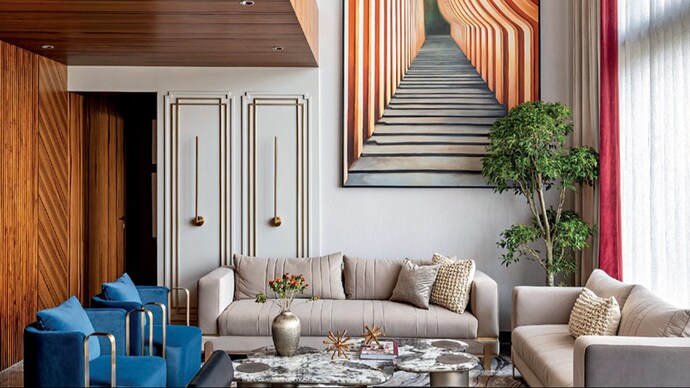
Interior Design That Makes a Statement crafting interiors that resonate with personality and purpose isn’t merely about selecting a pleasing color palette or arranging furniture symmetrically. It’s about orchestrating an immersive environment that captivates, provokes, and elevates. When you embark on a journey of Statement Making Design, you’re not just decorating—you’re composing a symphony of light, texture, and form that articulates a narrative unique to you.
1. The Philosophy of Statement-Making Interiors
Every great design begins with a conceptual fulcrum—a central idea or emotion that anchors every choice. Think of this fulcrum as the “genesis theme,” whether it’s a love for mid-century modernism, an obsession with bold futurism, or an affinity for organic minimalism. By crystallizing this theme early, you prevent the design from becoming a mere pastiche of disparate elements.
Key Principle:
A singular, coherent vision galvanizes disparate design elements into a harmonious whole.
This philosophical clarity fosters cohesion. It propels the selection of materials, hues, and furnishings toward a unified statement rather than a cacophony.
2. Harnessing the Power of Color
Color is perhaps the most visceral tool in an interior designer’s arsenal. Beyond its aesthetic allure, chromatic choice wields psychological influence—evoking tranquility, stimulating creativity, or igniting passion.
- Accent Walls as Focal Narratives
A wall painted in rich teal or vermilion can serve as the pièce de résistance of a room. Rather than a mere background, it becomes a stage upon which art and furniture flourish. - Unexpected Harmonies
Depart from predictable duos like navy and white. Experiment with triadic or tetradic schemes: mustard yellow paired with periwinkle and aubergine, for instance, yields an avant-garde yet balanced palette. - Ombré Transitions
Seamlessly gradated walls, fading from one tone into another, create a sinuous, almost ethereal ambiance—suggesting movement and dynamism.
When devising a palette for Statement Making Design, embrace polychromy but maintain disciplined restraint. Select a dominant hue, a secondary accent, and one or two tertiary tones to avoid chromatic chaos.
3. Sculptural Furniture: Art Meets Utility
Trends come and go, but the allure of sculptural furniture endures. Pieces with sinuous curves or geometric rigor elevate an interior from functional to gallery-worthy.
3.1 Iconic Chairs and Conversation Starters
- The Egg Chair or Panton Chair, reimagined in unexpected upholstery, can punctuate a space with playful sophistication.
- Commissioned one-off pieces, shaped by artisans, become conversation catalysts—each contour narrating its own story.
3.2 Multifunctional Marvels
Opt for modular sofas that morph into daybeds or coffee tables that pivot into desks. This duality of function underpins Statement Making Design, ensuring that aesthetics and pragmatism coalesce.
3.3 Textural Contrasts
Pair a sleek glass coffee table with a boucle-upholstered armchair. The juxtaposition of surfaces—hard against soft, reflective against matte—intensifies visual intrigue.
4. Lighting: The Invisible Sculptor
Light isn’t just illumination; it’s a form of invisible sculpture that shapes perception. A well-lit interior can appear expansive, intimate, or theatrical.
- Layered Lighting
Combine ambient light (recessed fixtures), task light (pendants over workspaces), and accent light (track lighting highlighting art). Each layer contributes to a nuanced luminosity. - Statement Fixtures
A chandelier composed of hand-blown glass spheres or a drop pendant of cascading crystals can function as the pièce de résistance. - Smart Controls
Integrate dimmers and color-tunable LEDs. The ability to shift from cool white in the morning to warm amber at dusk imbues a space with chameleonic versatility.
In Statement Making Design, lighting isn’t afterthought; it’s the star performer, weaving drama and ambience in equal measure.
5. Materials and Textures: The Tactile Symphony
Materials carry innate connotations—marble whispers opulence, raw wood evokes warmth, and concrete proffers an industrial edge. By blending disparate materials, you create a tactile concerto that engages both sight and touch.
- Stone and Resin
A resin-coated terrazzo countertop studded with recycled glass fragments can mimic natural stone yet feel refreshingly avant-garde. - Luxurious Fabrics
Velvet, silk organza, and heavy linen drapes impart sumptuous depth. Even a simple cushion in pleated velvet can become a focal point. - Unexpected Pairings
Slip-resistant rubber flooring juxtaposed with a hand-knotted Persian rug? The contrast is both functional and delightfully unanticipated.
Aim to balance surfaces: for every polished, reflective plane, introduce a matte or textured counterpart. This dialectic of finishes enlivens a room.
6. Art and Accessories: Narrative Accents
Art isn’t mere decoration; it’s storytelling. When curation is intentional, each piece—whether a monumental canvas or a tabletop sculpture—amplifies the room’s overarching narrative.
6.1 Curated Gallery Walls
Arrange a constellation of framed works, varying in scale and medium. A large abstract acrylic painting flanked by smaller ink sketches can exude both gravity and whimsy.
6.2 Sculptural Accessories
Bronze figurines, blown-glass vases, or carved wooden bowls serve as three-dimensional punctuation marks. Place them thoughtfully on console tables or built-in shelving niches.
6.3 Books and Artifacts
A stack of monographs on architectural modernism or vintage travel guides lends an intellectual patina. Combine these with ethnographic artifacts—masks or textiles—to imbue global sophistication.
Within a Statement Making Design context, every object must justify its presence; if it doesn’t resonate with the core theme, reconsider its inclusion.
7. Spatial Planning: Beyond Four Walls
The layout of a room dictates how it’s experienced. Does traffic flow naturally? Are conversation zones delineated? Can one appreciate vistas both inside and beyond?
- Open-Plan Precision
Rather than an undifferentiated expanse, segment an open-plan area with area rugs, varying ceiling heights, or freestanding partitions. - Axial Alignments
Align doorways and furniture along sightlines to create vistas that surprise and delight. A carefully sighted console table anchored between two columns can evoke classical grandeur. - Nooks and Alcoves
Carve out intimate reading corners or meditation alcoves. These retreat spaces offer emotive counterpoints to more public zones.
Spatial choreography within Statement Making Design ensures your interior isn’t merely beautiful—it’s experientially rich.
8. Biophilic Interventions: Nature’s Embrace
Integrating natural elements fosters well-being and anchors interiors in the rhythms of the earth.
- Living Walls
Vertical gardens laden with ferns, mosses, and trailing ivy create a verdant tapestry that invigorates the senses. - Indoor Trees
A fiddle-leaf fig near a sunlit window transforms a corner into an arboreal sanctuary. - Organic Accents
Driftwood sculptures, river-washed pebbles, and raw clay planters reinforce the connection to natural phenomena.
When wielded judiciously, biophilic design not only beautifies but also purifies air and soothes the psyche—hallmarks of a holistic Statement Making Design.
9. Technology as a Design Element
Smart home integrations need not be concealed behind drywall. Instead, they can become integral to the aesthetic.
- Invisible Speakers
Acoustic panels that double as art pieces conceal high-fidelity audio systems. - Integrated Screens
Large-format OLED panels framed in walnut can masquerade as digital canvases when displaying curated artwork. - Automated Window Treatments
Motorized drapes that respond to circadian rhythms underscore a commitment to comfort and innovation.
By embracing technology as a visible, celebrated aspect, your design signals modernity and foresight—a core tenet of Statement Making Design.
10. The Art of Contrast: Tension and Balance
Contrast imbues a space with dynamism. Whether tonal, textural, or stylistic, tension between opposites can be profoundly engaging.
- Minimalist vs. Maximalist
A pared-back, Scandinavian sofa juxtaposed with a riotous, jewel-toned wallpaper creates a dialogue between restraint and exuberance. - Antiquity vs. Futurism
Pair an ornate gilt mirror with a hyper-modern acrylic pedestal table. The temporal dissonance provokes curiosity. - Scale Variance
Oversized floor cushions set against diminutive side tables accentuate the interplay of proportion.
In Statement Making Design, it’s this controlled dialectic—this calibrated friction—that sparks visual intrigue and emotional resonance.
11. Personalization: The Final Flourish
No statement-making interior is complete without the indelible imprint of its inhabitant. Personalization transcends mere monogrammed pillows; it’s about embedding the narrative of your life into the fabric of the space.
- Heirlooms & Curios
Integrate family heirlooms—perhaps a mid-century credenza passed down from grandparents or a handwoven tapestry from ancestral homelands. - Travel Mementos
An Islamic geometric-patterned rug acquired in Marrakech or a lacquered screen from Kyoto imbues the space with personal odyssey. - DIY Installations
A bespoke macramé chandelier crafted by you or a mural painted on commission adds an artisanal touch that cannot be replicated.
By weaving these personal threads, your interior transcends showroom perfection and becomes a living palimpsest of your journey.
12. Sustainable Statement Making
Eco-consciousness is no longer optional; it’s imperative. Making a statement can—and should—be green.
- Upcycled Furnishings
Refinish vintage wood tables or repurpose shipping pallets into bespoke coffee tables. - Low-VOC Finishes
Choose paints and sealants certified for low volatile organic compound emissions to safeguard indoor air quality. - Reclaimed Materials
Exposed beams harvested from old barns or brick salvaged from demolished structures add patina and history while minimizing waste.
A Statement Making Design that honors sustainability amplifies its impact—both aesthetically and ethically.
13. Case Studies: Exemplars of Statement-Making Interiors
13.1 The Urban Loft in Shoreditch
A former warehouse transformed into a gallery-like living space. High ceilings showcase suspended iron sculptural light fixtures, while polished concrete floors reflect abundant daylight. Fragments of brick walls remain exposed, offering a rugged counterpoint to sumptuous velvet sofas. Every element—from the Bauhaus-inspired chairs to the hand-dyed kilim rug—is calibrated to tell a story of industrial-chic metamorphosis.
13.2 The Coastal Retreat in Santorini
White-washed stucco walls are punctuated by ultramarine blue niches and door frames. Custom-built nooks with cerulean cushions echo the Aegean Sea beyond. Organic linoleum floors interlace with beach-worn stone, and minimalist pendant lights evoke fishing nets. The effect is serene yet unmistakably dramatic—a testament to the potency of cultural and environmental context.
13.3 The Suburban Family Home in Tokyo
Here, multifunctional pods—sliding partitions that morph from playrooms to guest quarters—demonstrate how Statement Making Design can be eminently practical. Shoji screens emblazoned with contemporary photograms serve as art and room dividers. Underfloor heating cloaked beneath tatami mats ensures comfort without visible radiators. The result: a seamless fusion of tradition and futurism, playful yet refined.
14. Common Pitfalls and How to Avoid Them
- Overcrowding:
Resist the temptation to fill every surface. Negative space is as vital as adornment. - Incohesive Themes:
Ensure all elements reference your genesis theme. A stray Art Deco lamp in a Japanese-inspired interior can jolt rather than delight. - Poor Lighting:
Don’t rely solely on ceiling fixtures. Layer illumination to avoid stark shadows and flatness. - Neglecting Proportions:
A gargantuan sectional in a modest living room overwhelms. Always measure and visualize scale before acquisition.
By sidestepping these errors, you preserve the integrity of your Statement Making Design and maximize its impact.
15. Bringing It All Together: A Step-by-Step Blueprint
- Define Your Theme:
Articulate your central vision in a few evocative phrases. - Curate a Palette:
Select dominant, secondary, and tertiary colors. Test swatches in varied light. - Source Key Pieces:
Identify two or three focal furniture or lighting items to anchor the room. - Layer Materials:
Choose complementary textures—stone, wood, textile, metal—to weave a rich tapestry. - Integrate Art & Accessories:
Curate objects that resonate with your theme. Rotate seasonal vignettes to refresh the narrative. - Plan Lighting:
Design ambient, task, and accent layers. Incorporate statement fixtures. - Personalize & Sustain:
Infuse heirlooms, travel finds, and upcycled elements. Opt for eco-friendly materials.
Executing these steps with intention yields an interior that is more than the sum of its parts—a veritable testament to Statement Making Design.
Designing interiors that make a statement demands more than trend-chasing or superficial ornamentation. It requires philosophical clarity, judicious use of color and light, and an unerring eye for texture and contrast. Above all, it calls for authenticity—a willingness to imbue spaces with the artifacts of your life so that they resonate as living canvases rather than lifeless displays.
Embrace layered lighting, sculptural forms, and sustainable practices. Marry the unexpected—antiquity with futurism, minimalism with maximalism—and let personal narratives thread through every nook and alcove. In doing so, your home transcends the pedestrian and becomes a bold declaration of identity.
Embark on your journey of Statement Making Design, and let your interiors speak volumes—without uttering a single word.



More Stories
Revive Your Space: 5 Styling Hacks to Transform Any Room
10 Innovative Design Ideas to Transform Any Space from Ordinary to Extraordinary
2024’s Most Unexpected Interior Trends That Will Surprise You