
Interior Design That Feels Balanced a home that resonates with equilibrium doesn’t rely on symmetry alone—instead, it orchestrates color, scale, texture, and light to craft a Balanced Home Design. Such interiors feel both dynamic and harmonious, evoking calm without verging on static uniformity. Short sentence.
Below are fifteen comprehensive strategies—each blending uncommon terminology with cheerful insight—to help you achieve a home where every element finds its perfect counterpart.
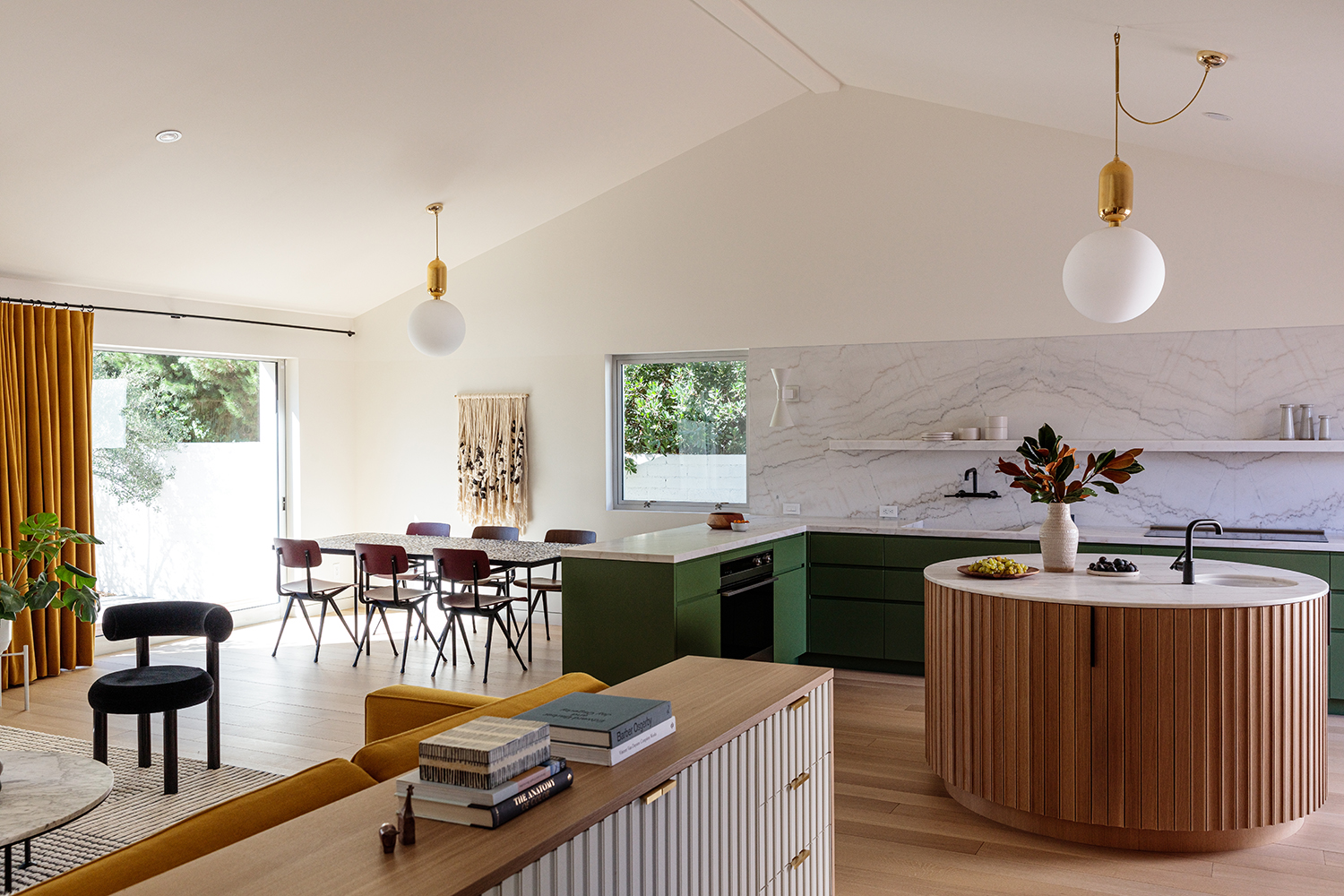
1. Establish a Harmonious Color Ecosystem
Color is the backbone of balance. Select a triadic palette—one dominant neutral, one secondary hue, and a judicious accent.
- Anchoring Neutrals: Warm greige, soft dove gray, or alabaster white unify disparate zones.
- Secondary Tones: Sage green, terracotta rust, or muted navy offer subtle variation.
- Accent Punctuation: A single pop of chartreuse, mustard, or blush harmonizes by contrast.
Short sentence. Color unites.
2. Calibrate Visual Weight
Balance heavy and light elements to avoid top‑ or bottom‑heaviness.
- Low‑Profile Sofas paired with lofty pendant lights.
- Stout Wooden Coffee Tables offset by delicate metal‑legged side chairs.
- Dense Area Rugs undera airy glass‑top tables.
Short sentence. Weight equilibrates.
3. Dialogue of Textures
Tactile layering conveys richness without clutter.
- Bouclé Throws on linen armchairs.
- Raw‑Edge Timber Shelves above polished concrete consoles.
- Matte Plaster Walls contrasted with glossy ceramic vases.
Short sentence. Texture balances.
4. Scale Play for Dynamic Equilibrium
Mix large and small to keep spaces engaging.
- Oversize Artwork balanced with petite decorative objects.
- Generous Sectionals offset by slim‑legged accent tables.
- Floor‑to‑Ceiling Curtains paired with low‑slung benches.
Short sentence. Scale dialogues.
5. Symmetry with a Twist
Symmetrical layouts feel stable, but subtle deviations avoid predictability.
- Matching Lamps on a console flanking an asymmetrical mirror.
- Paired Armchairs with one chair draped in an accent throw.
- Twin Wall Shelves holding differing collections on each side.
Short sentence. Predictable surprises.
6. Rhythm through Repetition
Repetition of form or hue creates flow across rooms.
- Circular Motifs echoed in rugs, mirrors, and pendant lights.
- Brushed Brass Accents repeated in hardware, frames, and lighting.
- Subtle Striations in wallpaper, textiles, and floor inlays.
Short sentence. Rhythm soothes.
7. Spatial Zoning with Furniture
Use furniture to carve zones without walls.
- Area Rugs define seating, dining, and reading areas.
- Open‑Back Shelving as gentle dividers in loft spaces.
- Curved Sofas creating intimate conversation clusters.
Short sentence. Flow sustains.
8. Light Layering for Atmospheric Balance
A three‑tiered lighting scheme ensures both function and mood.
- Ambient: Dimmable recessed LEDs for overall glow.
- Task: Swing‑arm sconces and under‑cabinet strips for focused work.
- Accent: Uplights, picture lights, and toe‑kick LEDs to sculpt features.
Short sentence. Light choreographs.
9. Natural and Artificial Material Counterpoints
Juxtapose organic with man‑made for visual tension.
- Reclaimed Wood Beams above sleek steel kitchen islands.
- Stone Tiled Wet Rooms contrasted with lacquered cabinetry.
- Woven Rattan Chairs paired with mold‑injected plastic tables.
Short sentence. Contrast breathes.
10. Curated Negative Space
Intentional emptiness highlights curated elements.
- Single Artworks on expansive walls.
- Isolated Sculptures on pedestals in foyer corners.
- Unfurnished Niches accentuating architectural alcoves.
Short sentence. Emptiness speaks.
11. Biophilic Balancing
Integrate plants to soften edges and refresh air.
- Statement Monstera in minimalist planters.
- Succulent Grids on floating shelves.
- Herb Windowsills bridging kitchen and garden.
Short sentence. Nature grounds.
12. Harmonized Hardware Palette
Unify finishes for cohesion.
- Matte Black throughout for graphic anchor.
- Brushed Nickel in bathrooms to coordinate with stainless fixtures.
- Warm Bronze in living areas to pick up wood tones.
Short sentence. Finishes sync.
13. Acoustic Equilibrium
Soft materials dampen noise, balancing hard surfaces.
- Layered Rugs with underlays to muffle footsteps.
- Thick Drapes absorbing echoes in lofty rooms.
- Cork Wall Panels as unseen sound buffers in home offices.
Short sentence. Quiet balances.
14. Seasonal Adjustments
Rotate accents to maintain equilibrium with external rhythms.
- Light Linens in spring and summer.
- Velvet Throws and sheepskin in autumn and winter.
- Botanical Swaps: Fresh blooms vs. dried hydrangeas per season.
Short sentence. Seasons align.
15. Maintenance Routines for Sustained Harmony
A balanced home thrives on simple care rituals.
- Weekly Reset: Tidy surfaces and fluff cushions.
- Monthly Deep‑Clean: Rotate rugs and launder pillows.
- Quarterly Edits: Swap accessories to rebalance visual weight.
Short sentence. Ritual sustains.
Balanced Home Design is the art of harmonizing contrasts—light and shadow, old and new, hard and soft—to craft spaces that feel both grounded and inspired. By layering color, texture, scale, and light with intentional restraint, you can achieve interiors where every element resonates in perfect equilibrium.
Short sentence. Balance realized.



More Stories
Revive Your Space: 5 Styling Hacks to Transform Any Room
10 Innovative Design Ideas to Transform Any Space from Ordinary to Extraordinary
2024’s Most Unexpected Interior Trends That Will Surprise You