
Interior Design That Encourages Rest creating interiors that beckon inhabitants into repose is both a craft and a kindness. In a world of ceaseless stimulation, spaces designed to soothe and still can become sanctuaries for body and mind. By embracing principles of Rest Encouraging Decor, one crafts environments that gently guide occupants toward tranquility—through color, light, texture, spatial choreography, and sensory detail.
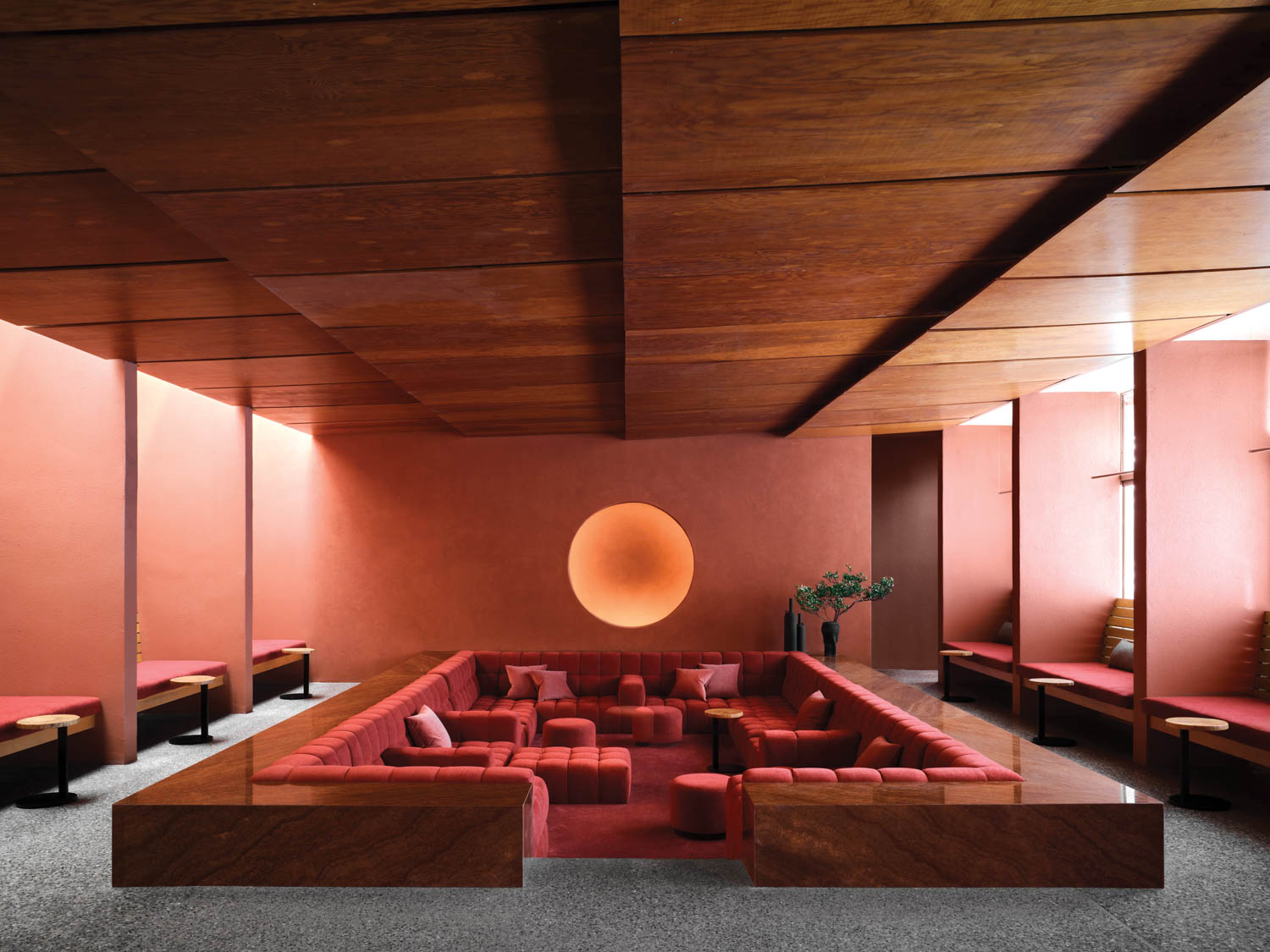
1. The Ethos of Repose
True rest springs from environments that address our primal need for safety and comfort. A restful interior:
- Soothes the Senses: Muted colors, soft lighting, and gentle acoustics.
- Supports the Body: Ergonomic furnishing and tactile layers for cocooning comfort.
- Calms the Mind: Decluttered spaces, controlled sightlines, and intentional focal points.
Short sentence.
Repose matters.
2. Color Psychology: Hues of Hibernal Calm
Color profoundly shapes emotion. For rest-promoting palettes:
- Quiet Neutrals: Greige, dove gray, and warm ivory establish serenity.
- Subdued Pastels: Sage green, dusty rose, and pale lavender whisper tranquility.
- Deep, Soft Accents: Charcoal or midnight blue for enveloping depth—used sparingly.
Short sentence.
Color heals.
3. Lighting for Languor
Light guides circadian rhythms and mood:
- Layered Illumination: Ambient cove lighting, adjustable task lamps, and low‑glow accent lights.
- Warm Temperature: Bulbs at 2700–3000K to mimic candlelight and sunset hues.
- Dimmable Controls: Scene presets—“wake gently,” “read,” “wind down”—tailored to routines.
Short sentence.
Light soothes.
4. Materiality and Texture: Tactile Reassurance
Surfaces that invite touch and absorb sound anchor restful design:
- Plush Textiles: Bouclé throws, velvet cushions, and heavyweight linen drapes.
- Soft Underfoot: Deep-pile wool rugs or layered sheepskins for cushioning each step.
- Matte, Tactile Finishes: Venetian plaster, microcement, and chalky paints that diffuse glare.
Short sentence.
Touch comforts.
5. Spatial Layout: Flowing Retreats
Layout dictates ease of movement and visual calm:
- Decluttered Pathways: Maintain 30–36″ clearances around furniture to prevent stumbling.
- Intimate Vignettes: Curved seating clusters and window nooks for solitary repose.
- Minimal Thresholds: Pocket doors and wide archways replace heavy closures, preserving connection.
Short sentence.
Flow invites.
6. Furniture for Rest: Ergonomics Meets Embrace
Select pieces that cradle rather than constrain:
- Oversized Loungers: Deep seats, angled backs, and soft upholstery invite sinking in.
- Simple Daybeds: Linear silhouettes with plush mattresses double as reading or napping alcoves.
- Adjustable Headboards: Tilt mechanisms support upright reading without external pillows.
Short sentence.
Form supports.
7. Bedding and Linens: Cocooning the Body
High‑quality linens and bedding elevate comfort:
- Natural Fibers: Egyptian cotton, bamboo viscose, and flax linen breathe and regulate temperature.
- Layered Blankets: Quilts, down duvets, and knit throws for customizable warmth.
- Soft Tones: Pale neutrals or muted hues mirror the broader palette for visual harmony.
Short sentence.
Fabric matters.
8. Acoustics: Quietude by Design
Sound shapes serenity:
- Soft Furnishings: Heavy drapes, upholstered walls, and thick rugs absorb ambient noise.
- Acoustic Panels: Fabric‑wrapped panels in corner zones prevent echo and create hush pockets.
- White Noise Elements: Gentle tabletop fountains or Himalayan salt lamps generating a low hum.
Short sentence.
Silence rejuvenates.
9. Biophilia: Nature’s Reassurance
Living elements reconnect us to primordial calm:
- Statement Greenery: Fiddle‑leaf figs or snake plants in oversized ceramic planters.
- Moss Boards: Wall‑mounted preserved moss panels for visual softness.
- Herb Windowsills: Rosemary or lavender pots suffuse fresh aroma and quiet growth rhythms.
Short sentence.
Nature nurtures.
10. Sensory Layers: Beyond the Visual
Truly restful spaces engage all senses:
- Aromatherapy: Reed diffusers or essential‑oil diffusers in lavender‑vanilla or sandalwood blends.
- Textural Touchpoints: Hand‑woven baskets, artisanal pottery, and smooth river stones for tactile meditation.
- Tasteful Soundtracks: Integrated speakers playing low‑volume nature recordings—rain, forest canopy, ocean waves.
Short sentence.
Sense envelops.
11. Color and Art: Subtle Emotional Anchors
Art and accent pieces should feel contemplative:
- Monochrome Photography: Soft-focus landscapes or cloud studies in black and white.
- Minimalist Prints: Single‑line botanical sketches or abstract washes in serene hues.
- Sculptural Objects: Unfired clay or blown‑glass forms that double as art and tactile focus points.
Short sentence.
Art soothes.
12. Technology with Tact
Smart design must not intrude:
- Hidden Electronics: Flush‐mount speakers, under‐bed chargers, and retractable screens.
- App‑Controlled Scenes: Gentle transitions for lighting, sound, and temperature through a single interface.
- Sleep Monitoring Aids: Integrated mattress sensors and bedside lamps that mimic sunrise.
Short sentence.
Tech retreats.
13. Decluttering Rituals: Mindful Maintenance
Order underpins tranquility:
- Minimal Storage Furniture: Beds with under‑frame drawers and benches with lift‑top seating.
- Curbed Accessory Counts: One small display shelf rather than a crowded bookcase.
- Regular Edit Cycles: Seasonal reviews to donate or recycle unused items.
Short sentence.
Order restores.
14. Case Studies: Repose Realized
14.1 The Urban Studio Sanctuary
A micro‑studio uses movable dividers, pastel‑gray walls, a deep daybed with linen throws, and natural light—enhanced by light shelves—for versatile repose.
14.2 The Suburban Bedroom Retreat
In a family home, a platform bed with adjustable headboard, lavender sachets, and a moss‑accent wall coalesce into a restful cocoon.
14.3 The Wellness Bath Spa
Freestanding stone tub, heated-city-slate floors, tadelakt walls, and eucalyptus steam infuse daily bathing with restorative ritual.
Short sentence.
Sanctuary achieved.
15. Common Pitfalls and Prescriptions
- Overaccessorizing: Clutter distracts from restful intent.
- Prescription: Embrace the 80/20 rule—20% décor, 80% negative space.
- Harsh Lighting: Cool fluorescents disrupt circadian harmony.
- Prescription: Switch to warm‑white LEDs with dimming capability.
- Synthetic Fabrics: Trapped heat and static undermine comfort.
- Prescription: Upgrade to natural, breathable fibers only.
- Neglected Acoustics: Hard surfaces echo stress.
- Prescription: Layer rugs and drapes strategically in conversation with furniture.
Short sentence.
Calibrate carefully.
16. Step‑by‑Step Rest Encouraging Decor Roadmap
- Map daily wind‑down and awakening rituals.
- Choose a calming palette and source sample swatches.
- Audit furnishings—keep only those that serve comfort or function.
- Integrate layered lighting with warm dimmable sources.
- Install acoustic softeners—panels, rugs, and drapes.
- Introduce tactile textiles—plush rugs, linen drapes, and velvet throws.
- Position biophilic elements—one statement plant per zone.
- Curate minimal art—monochrome or soft abstract pieces.
- Conceal technology—hidden charging and retractable screens.
- Add aromatherapy diffusers and white‑noise generators.
- Implement seasonal decluttering rituals.
- Live, observe, and refine—aim for incremental improvements.
Short sentence.
Rest actualized.
Design that fosters genuine rest transcends trend; it addresses our elemental need for calm. By melding muted palettes, layered lighting, plush textures, and biophilic accents—anchored in Rest Encouraging Decor tenets—you craft spaces that quietly cradle inhabitants in serenity. Inhabiting such interiors becomes a balm, restoring balance and inviting the deep, restorative reprieve we all crave.



More Stories
Revive Your Space: 5 Styling Hacks to Transform Any Room
10 Innovative Design Ideas to Transform Any Space from Ordinary to Extraordinary
2024’s Most Unexpected Interior Trends That Will Surprise You