
Interior Design That Embraces Nature a home that resonates with the outdoors becomes an ever‑changing sanctuary. Tapping into the serenity of forests, the fluidity of water, and the raw textures of the earth, interiors can evoke a Nature Embracing Style that feels both grounded and transcendent. From verdant greenery to organic materials and sun‑lit skylights, each design choice transforms everyday living into a perpetual communion with the natural world. Short sentence.
This guide presents fifteen comprehensive strategies—rich in uncommon terminology and cheerful insight—to help you craft interiors that breathe with the vitality of the wild.
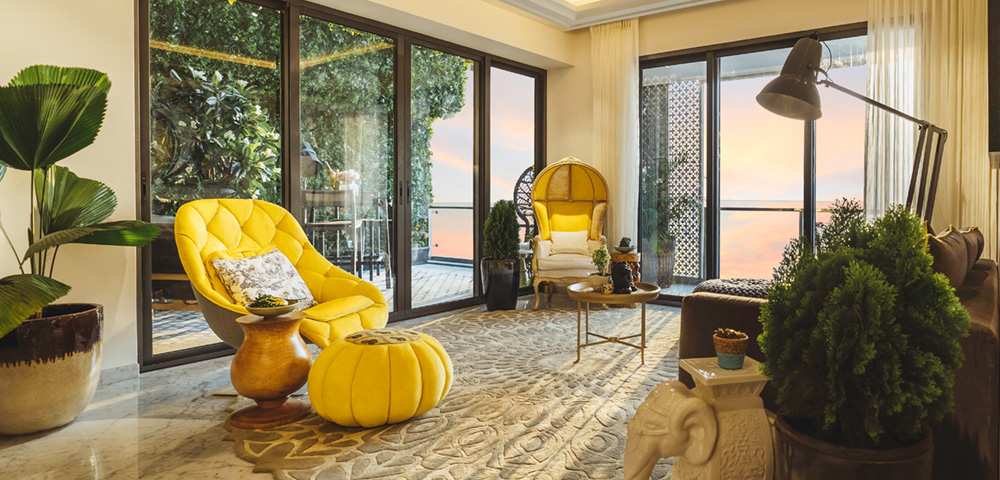
1. Harness Biophilic Foundations
Biophilia, the innate human affinity for nature, underpins every Nature Embracing Style scheme. Begin by maximizing daylight: install clerestory windows or solar tubes that channel crisp, circadian‑friendly illumination. Supplement with full‑spectrum LEDs tuned to natural daylight cycles, ensuring that even the gloomiest corners feel like sunlit groves. Position seating to face garden vistas or treetop canopies. Short sentence. Light heals.
2. Verdant Green Walls and Living Panels
Vertical gardens are living tapestries—verdure‑laden murals that purify air and soften acoustics. Modular systems allow fern fronds, ivy, and mosses to thrive in bespoke configurations. Combine species with varied leaf morphology—string‑like pothos alongside rosette‑forming bromeliads—for heterogenous texture. Periodic misting keeps the ecosystem humidic, while integrated drip irrigation ensures effortless maintenance. Short sentence. Walls breathe.
3. Organic Materials as Core Components
Integrate materials that bear the fingerprints of nature. Live‑edge timber tables celebrate the knotty ebullience of the tree’s life history. Hand‑forged wrought‑iron fixtures, with subtle hammer marks, evoke artisanal craft. Terrazzo floors speckled with recycled sea‑glass and stone fragments recall oceanic shores and geological time. Natural clay plasters imbue walls with micro‑variations that catch shifting daylight. Short sentence. Material truth.
4. Earth‑Toned Palettes and Mineral Hues
Select pigments derived from ochre, umber, and sienna to emulate sedimentary strata. Use muted malachite or celadon on accent walls to channel fern‑filled glens. Soothing alabaster and chalk whites mimic limestone caverns. For a sonic twist, incorporate a graphite‑gray stripe to suggest distant thunderclouds. Short sentence. Color grounds.
5. Textural Layering Inspired by Nature
Nature’s tactile lexicon ranges from smooth pebbles to gnarled bark. Introduce bouclé upholstery resembling lichen, jute rugs like sun‑bleached dunes, and hand‑woven seagrass baskets echoing tidal flats. Contrast with polished river stones embedded in concrete hearths, or biophilic resin panels capturing pressed wildflowers. Short sentence. Texture enthralls.
6. Sculptural Plant Installations
Transform potted plants into biomorphic art installations. Group fiddle‑leaf figs, dracaena, and monstera in tiered ceramic pedestals. Suspend air‑plant terrariums in glass orbs, creating floating sylvan clusters. For dramatic impact, dedicate a corner to a miniature tropical understory: banana palms, philodendron varieties, and pot‑bound orchids, layered in alcoves and on moss‑lined stands. Short sentence. Green awakens.
7. Natural Light as an Architectural Element
Architectural fenestration can be as dramatic as a cathedral’s rose window. Install vaulted skylights or solariums with thermally insulated glazing. Clerestory bands along upper walls filter soft northern light. Use reflective glass panels to multiply daylight. Employ operable louvers for seasonal solar gain control, ensuring interiors remain temperate and luminous through summer’s zenith and winter’s nadir. Short sentence. Daylight rules.
8. Water Features for Tranquil Acoustics
A babbling fountain in an entryway or a sleek indoor waterfall adds a rhythmic water murmur, conjuring riverside serenity. Recess troughs beneath plant beds for concealed channels. Integrate pebble beds and variable‑speed pumps to modulate flow sound. Even a tabletop ceramic trough with jade plant cuttings can evoke meditative ripples. Short sentence. Water soothes.
9. Stone Accents and Monolithic Surfaces
Stone brings permanence and geological gravitas. Carve hearths or bathroom basins from single marble or granite blocks, their natural veins a testament to deep time. Use slate cladding on feature walls for a stratified look. In flooring, incorporate limestone flagstones with irregular edges for a woodland path effect. Short sentence. Stone anchors.
10. Seamless Indoor‑Outdoor Transitions
Blur thresholds to merge interiors with landscapes. Bi‑fold or slide‑and‑stack doors pocket into walls, opening living rooms directly onto patios. Use the same flooring material—porcelain planks or travertine pavers—inside and out for visual continuity. Frame views with frameless glazing and minimal mullions. Introduce a covered arbor or trellis clothed in wisteria to extend the sylvan palette. Short sentence. Boundaries dissolve.
11. Earthy Furnishings with Legato Lines
Select furniture with undulating, legato profiles echoing river‑worn driftwood. Ottoman footstools carved from teak stumps or tables turned from olivewood trunks impart sculptural warmth. Combine with modern silhouettes—slender metal legs with raw‑hewn wooden tops—to reinforce the dialogue between organic and contemporary. Short sentence. Forms flow.
12. Botanical Prints and Ethereal Murals
Adorn accent walls with oversized botanical prints or hand‑painted panoramas—giant banana leaves, abstracted fern fronds, or watercolor splashes of lupine fields. For an immersive effect, commission a muralist to create a sylvan vista that envelops a study alcove or reading bay. Short sentence. Walls inspire.
13. Natural Fiber Soft Goods
Textiles spun from flax, hemp, or bamboo yarns create breathable, antimicrobial surfaces. Opt for hand‑loomed rugs of undyed wool, displaying lanolin sheen. Draperies in raw silk or organic cotton with relaxed pleats flutter like leaves in a gentle breeze. Short sentence. Fabrics breathe.
14. Frankie Botanic Accessories
Curate botanical glassware—hand‑blown glass vases with trapped seed pods or resin‑encased fern specimens. Display geological curiosities such as amethyst clusters or jade pebbles in apothecary jars. Incorporate driftwood sculptures or coral fragments (ethically sourced) as table centerpieces, celebrating marine biodiversity. Short sentence. Objects intrigue.
15. Seasonal Adaptability and Permaculture Aesthetics
Implement rotating plant populations and decor that echo phenological cycles. In spring, fill vases with cherry blossoms and magnolia; in summer, showcase hydrangeas and dahlias. Autumn’s palette brings pampas grass and dried seedheads; winter invites evergreen sprigs and pine-cone displays. Utilize potted herbs in kitchen windowsills for perpetual permaculture practice. Short sentence. Seasons enliven.
Embracing a Nature Embracing Style transcends superficial trends—it fosters wellness, connection, and narrative depth within the home. By weaving daylight, greenery, biomorphic forms, and organic materials throughout your spaces, you create an environment that resonates with the rhythms of the natural world. Let each design choice stand as an ode to earth’s splendor—transforming your interior into a living ecosystem of serenity and inspiration.
Short sentence. Nature thrives.



More Stories
Revive Your Space: 5 Styling Hacks to Transform Any Room
10 Innovative Design Ideas to Transform Any Space from Ordinary to Extraordinary
2024’s Most Unexpected Interior Trends That Will Surprise You