
Interior Design That Celebrates Texture crafting interiors that revel in tactile richness transforms a house into a sensory sanctuary. Texture isn’t an afterthought; it’s the raison d’être of spaces that beckon touch, intrigue the eye, and ignite the imagination. When you champion Texture Celebrating Design, every surface becomes a canvas, every material a melody in a grand symphony of tactility.
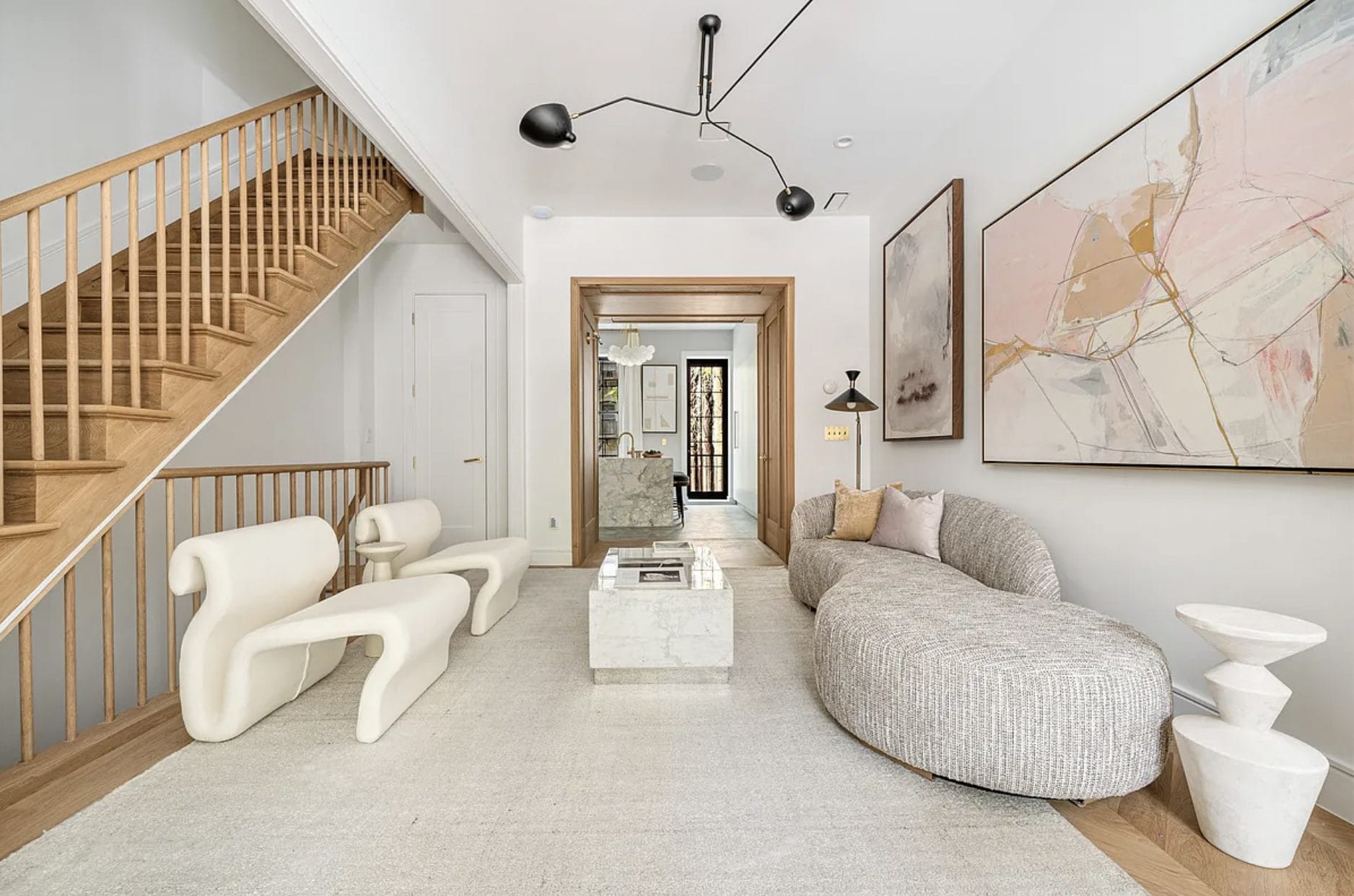
1. The Philosophy of Tactile Environments
Texture transcends mere ornamentation. It’s a philosophical stance—a commitment to engage our primal senses. Rough-hewn stone, softly undulating plaster, and plush bouclé upholstery each carry a narrative. These narratives entwine, creating a palimpsest of sensations that speaks to both our intellect and our instinct.
Core Insight:
A well-textured room is a dialogue between materiality and mood, where touch becomes as vital as sight.
Anchoring a design in tactility elevates it beyond visual spectacle, inviting occupants to partake in a multi-sensory experience.
2. The Language of Texture
Every material possesses its own tactile lexicon. Velvet whispers luxury; concrete murmurs industrial grit; raffia rustles of organic origin. By understanding this lexicon, designers orchestrate compositions that resonate on a sensory level.
- Velvet’s Subtle Grain: Invokes velvetine chiaroscuro—light and shadow play across its nap.
- Weathered Wood’s Grain Patterns: Echo the tree’s life story in every knot and ridge.
- Handwoven Textiles: Offer irregular weaves, imparting artisanal authenticity.
In Texture Celebrating Design, fluency in tactile language ensures that every surface contributes a distinct voice to the room’s chorus.
3. Materials Palette: A Tactile Menagerie
A rich palette of materials is the cornerstone of immersive interiors. Employ an eclectic mix to cultivate depth and intrigue.
- Stone & Marble: Variegated veins and pitted surfaces offer both polish and imperfection.
- Metallic Finishes: Brushed bronze, hammered brass, and oxidized copper provide gleaming contrast.
- Textured Plaster: Venetian stucco or tadelakt yields undulating walls that softly refract light.
- Natural Fibers: Sisal rugs, jute baskets, and wool throws introduce raw, rustic warmth.
By juxtaposing these elements, Texture Celebrating Design attains a harmonious tension—luxury entwined with earthy verisimilitude.
4. Layered Textural Composition
Texture thrives in layers. A single rough surface can feel jarring if unsupported by complementary components. Instead, stack tactility in graduated intensities:
- Base Layer: Hard finishes—stone, concrete, hardwood floors.
- Intermediate Layer: Carpets or woven area rugs that cushion and muffle.
- Surface Layer: Cushions, throws, and accent pillows in varied fabrics.
This stratification fosters a sanctum where each touchpoint offers new discovery, avoiding sensory monotony.
5. Contrasts and Harmonies
Dynamic interplay between opposing textures yields exhilarating results. Contrasts heighten awareness; harmonies soothe.
- Smooth vs. Textured: Pair a sleek lacquered credenza with a raw-edge oak slab table.
- Soft vs. Crisp: Balance a velvety sectional against linen drapes in a sheer weave.
- Coarse vs. Polished: Situate a rough ceramic vase atop a glossy marble plinth.
In Texture Celebrating Design, deliberate dichotomies enliven interiors and prevent visual stasis.
6. Textural Furniture and Fixtures
Furniture can be sculptural as well as tactilely compelling. Seek out pieces that combine form and feel.
- Bouclé Upholstered Chairs: Their nubby surface invites touch and conveys modern opulence.
- Live-Edge Dining Tables: Each organic contour narrates a singular arboreal history.
- Rattan Pendant Lights: Cast intricate shadow patterns, marrying texture with illumination.
Fixtures, too, can celebrate tactility: consider ribbed glass sconces or fluted ceramic lamps.
7. Wall Treatments and Surfaces
Walls need not be flat canvases. Textural wall treatments make a powerful statement.
- Grasscloth Wallpaper: Natural fibers woven into irregular patterns create depth.
- 3D Wall Panels: Geometric reliefs in plaster or MDF sculpt light and shadow.
- Exposed Brick or Stone Veneer: Imparts rugged authenticity and thermal mass benefits.
Each of these surfaces enriches the spatial tapestry, reinforcing a Texture Celebrating Design ethos.
8. Soft Furnishings and Textiles
Textiles are the emotive soul of tactility. They envelop, caress, and engender comfort.
- Layered Throws: Combine alpaca, cashmere, and mohair for sumptuous complexity.
- Kilims and Aubusson Rugs: Antique weaves embed history beneath one’s feet.
- Velvet Pillows with Embossed Patterns: Add dimensionality to plush surfaces.
Rotate seasonal textiles—lightweight linens in summer, dense woolens in winter—to maintain dynamism.
9. Lighting to Accentuate Texture
Light animates texture, revealing nuances that daylight alone may obscure.
- Grazing Technique: Position narrow-beam uplights close to textured walls to accentuate ridges.
- Diffused Ambient Light: Softens shadows, allowing materials like plaster to glow.
- Backlit Panels: Translucent onyx or resin slabs radiate a jewel-like warmth.
When lighting complements tactility, surfaces transform into sculptural artworks.
10. Biophilic Textural Integration
Nature’s textures offer unmatched authenticity. Introducing living and organic elements deepens spatial connections.
- Moss Walls: Cushiony green tapestries that purify air and muffle sound.
- Driftwood Sculptures: Weathered silhouettes that speak of coastal whispers.
- Living Tables: Top-mounted planters within wooden slabs merge flora and form.
These interventions anchor interiors in the natural world, fostering tranquility and bioaffinity.
11. Sustainable Texture Practices
Ethical sourcing intersects with texture in beautiful ways. Consider:
- Reclaimed Timber Flooring: Vintage patina and knots narrate ecological narratives.
- Recycled Glass Countertops: Mirrored fragments gleam within a matte matrix.
- Natural Clay Plasters: Locally sourced, low-VOC, and richly tactile.
Sustainable choices in a Texture Celebrating Design story honor both planet and palette.
12. Case Studies: Textural Mastery in Action
12.1 The Alpine Chalet
Weathered pine beams lattice vaulted ceilings. Sheepskin throws drape over leather club chairs. Limestone floors with hand-chiseled edges cradle mohair rugs. The result: a tactile refuge that marries rustic charm with refined comfort.
12.2 The Urban Penthouse
Concrete-polished floors meet a living moss wall. Velvet banquettes flank a reclaimed elm bar. Fluted glass pendant clusters hover above a blackened-steel kitchen island. Here, texture tames industrial austerity with sumptuous tactility.
12.3 The Coastal Cottage
Whitewashed shiplap walls are offset by sisal rugs and driftwood accents. Woven baskets hold linen throw blankets. Rattan armchairs embrace sunlit nooks, crafting a breezy, tactile seascape.
13. Step-by-Step Blueprint for Texture Celebration
- Define Your Tactile Theme: Choose a central material—stone, wood, textile—as your anchor.
- Assemble a Materials Library: Collect swatches of plaster, fabric, metal, and fiber samples.
- Map Layering Zones: Identify floors, walls, and surfaces for their primary textural roles.
- Select Contrasting Complements: Pair opposing textures to enliven each vignette.
- Plan Accent Lighting: Incorporate grazing and backlighting to dramatize surfaces.
- Integrate Biophilic Elements: Add living textures for life-affirming authenticity.
- Source Sustainable Textures: Prioritize reclaimed, recycled, or low-impact materials.
- Review and Refine: Test tactile pairings in situ, adjusting for harmony and variety.
This procedural approach ensures your interiors resonate with tactile opulence.
14. Common Pitfalls and How to Avoid Them
- Monotextural Overload: Too many similar textures can feel flat. Strive for balance.
- Ignoring Scale: Oversized patterns on small surfaces can overwhelm. Match scale to space.
- Neglecting Maintenance: Some textures—raw silk, untreated wood—require care. Factor upkeep into selection.
By anticipating these missteps, you safeguard the integrity of your Texture Celebrating Design.
Texture is the heartbeat of interior spaces, infusing them with warmth, depth, and soul. Through meticulous layering, judicious contrasts, and a reverence for material authenticity, Texture Celebrating Design transforms the mundane into the extraordinary. Embrace the tactile, celebrate the imperfect, and let every surface speak its own language. In doing so, your interiors will not only be seen—they will be felt.



More Stories
Revive Your Space: 5 Styling Hacks to Transform Any Room
10 Innovative Design Ideas to Transform Any Space from Ordinary to Extraordinary
2024’s Most Unexpected Interior Trends That Will Surprise You