
Interior Design for a Peaceful Home creating a sanctuary within your four walls begins with intention. A home that feels tranquil nurtures body and mind, offering respite from daily tumult. Through thoughtful Peaceful Home Design, you can orchestrate an environment that exudes serenity—from the moment you step inside to the hush of bedtime rituals.
1. The Philosophy of Calm Spaces
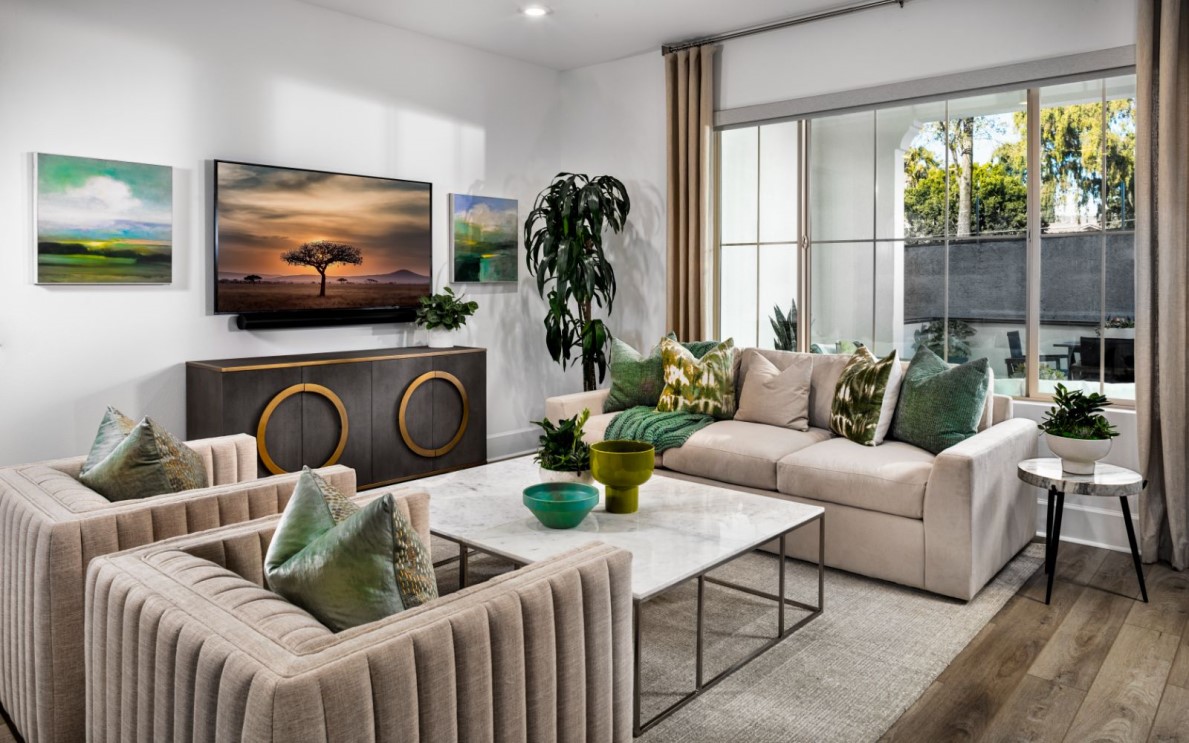
At the heart of Peaceful Home Design lies a commitment to balance and breathability. A peaceful dwelling isn’t synonymous with stark minimalism; rather, it’s about striking a harmonious chord between form and function. Think of your home as a living organism that must inhale and exhale—spaces that invite presence, cocooning inhabitants in a soft, non‑intrusive embrace.
Short sentence.
Peace matters.
Cultivating calm begins with understanding how each element—color, texture, light—interacts to soothe or stimulate. Aim to reduce visual clutter, channel positive energy, and foster seamless transitions between rooms.
2. Spatial Planning: Flow and Function
Spatial choreography is paramount. Efficient layouts ensure that movement feels natural, without bottlenecks or disjointed zones.
- Open Sightlines: Wherever possible, maintain unobstructed views from one end of a room to the other.
- Gentle Boundaries: Use rugs, furniture placement, or low partitions to define areas without erecting psychological barriers.
- Circulation Paths: Preserve at least 30 inches of clearance along walkways to allow effortless passage.
By mapping traffic flow before furniture acquisition, your Peaceful Home Design promotes ease rather than constraint.
3. Chromatic Harmony: A Serene Palette
Colors wield profound psychological influence. To cultivate tranquility, lean into tonal nuances that whisper rather than shout.
- Soft Neutrals: Pale greige, muted taupe, and dove-white form a serene canvas.
- Subdued Accents: Blush rose, misty sage, or cool periwinkle infuse subtle vitality.
- Monochromatic Layers: Employ varying shades of one hue to create depth without jarring contrast.
Short sentence.
Color heals.
Applying a cohesive palette across adjoining spaces ensures visual continuity, reinforcing the calm ethos of your Peaceful Home Design.
4. Materials & Textures: Tactile Comfort
Touchable surfaces anchor the sensory experience. Integrate materials that feel like a gentle caress.
- Natural Woods: Warm oak or walnut with minimal sheen offers a grounded underfoot experience.
- Soft Fabrics: Linen drapes, cotton throws, and microfiber cushions invite lingering.
- Subtle Plasters: Venetian or limewash finishes on walls add a hand‑crafted patina.
- Stone Accents: Honed marble or limestone slabs in powder rooms convey spa-like luxury.
Short sentence.
Texture soothes.
In Peaceful Home Design, each texture serves to reduce harshness and evoke tactile calm.
5. Lighting: Sculpting Atmosphere
Light shapes mood more than any other element. A layered approach creates a dynamic yet restful glow.
- Ambient Foundation: Cove lighting or dimmable LEDs provide even, unobtrusive wash.
- Task Precision: Focused desk lamps and under‑cabinet strips support activities without glare.
- Accent Drama: Soft uplights and pendant clusters highlight architectural features with a hushed glow.
Short sentence.
Light whispers.
Automated dimmers and smart controls empower you to tailor luminosity to circadian rhythms—essential for a truly peaceful abode.
6. Soundscaping: Quietude by Design
Acoustic comfort underpins serenity. Address unwanted noise and introduce calming sound motifs.
- Soft Furnishings: Layered rugs, drapery, and upholstered walls absorb echoes.
- White-Noise Fixtures: Tabletop fountains or ambient sound machines mask disruptive clamor.
- Natural Sound Windows: Strategically placed windows invite gentle breezes and bird song.
Short sentence.
Silence soothes.
Thoughtful acoustics are as crucial to Peaceful Home Design as color and light.
7. Biophilic Elements: Nature’s Embrace
Connecting with nature reduces stress and enhances well-being. Infuse organic life into interior realms.
- Living Walls: Panels of ferns or moss cleanse the air and caress the senses.
- Statement Plants: Monstera, fiddle‑leaf figs, and bamboo palms offer sculptural greenery.
- Natural Water Features: Mini tabletop fountains lend reflective stillness and humidity.
Short sentence.
Nature nurtures.
Biophilia is the cornerstone of a truly restorative Peaceful Home Design.
8. Minimalist Furnishings: Purposeful Restraint
The paring down of superfluous pieces creates mental clarity. Prioritize quality over quantity.
- Essential Layouts: Choose furniture that fulfills multiple roles—sofa beds, nesting tables, built‑in benches.
- Proportional Scale: Match furniture size to room dimensions; avoid oversized silhouettes in compact spaces.
- Negative Space: Allow breathing room around key pieces to highlight their form.
Short sentence.
Space breathes.
Curate furnishings that feel curated, not cloying, in your Peaceful Home Design.
9. Art & Decorative Accents: Curated Calm
Art transforms walls into portals of contemplation. Choose pieces that elevate, not overwhelm.
- Serene Imagery: Landscapes, abstract washes, or botanical studies in muted palettes.
- Symbiotic Groupings: Three or five pieces hung at eye level for balanced composition.
- Tactile Décor: Woven baskets, ceramic vessels, and driftwood sculptures evoke artisanal warmth.
Short sentence.
Art uplifts.
Every accent should serve the greater meditation of your Peaceful Home Design.
10. Scent & Sensory Rituals
Olfactory notes deepen emotional resonance. Introduce gentle fragrances that soothe the spirit.
- Essential-Oil Diffusers: Lavender, chamomile, or sandalwood for evening wind‑down.
- Soy Candles: Clean-burning and customizable in delicate blends like green tea or white tea.
- Fresh Citrus Bowls: Lemons or oranges in kitchens and bathrooms for uplifting freshness.
Short sentence.
Scent transports.
Sensory rituals embedded in daily routines amplify the calm of your Peaceful Home Design.
11. Sustainable Selections: Ethical Serenity
Conscientious choices align environmental stewardship with tranquility.
- Low‑VOC Finishes: Paints and sealants that safeguard air quality.
- Reclaimed Materials: Salvaged wood beams, repurposed metal fixtures, and vintage floorboards carry stories.
- Energy Efficiency: LED lighting, high‑performance glazing, and programmable thermostats minimize footprint.
Short sentence.
Conscience matters.
Sustainability is woven into the fabric of a truly harmonious Peaceful Home Design.
12. Maintenance Simplified: Longevity Through Ease
Efficient upkeep sustains serenity. Design with ease of maintenance in mind.
- Durable Surfaces: Quartz countertops, porcelain tiles, and engineered woods resist wear.
- Removable Covers: Machine‑washable cushion and throw covers simplify cleaning.
- Minimal Trim: Concealed hardware and pocket doors reduce dust traps.
Short sentence.
Simplicity endures.
A home that’s easy to care for remains peaceful rather than descending into chaos.
13. Case Studies: Real-Life Sanctuaries
13.1 The Coastal Retreat
A palette of driftwood grey, shell white, and sea‑foam green pervades sun‑drenched rooms. Weathered oak floors meet linen slipcovers. A living wall in the sunroom and floor‑recessed uplights impart oceanic calm. Under‑sofa bins conceal blankets, maintaining uncluttered vistas.
13.2 The Urban Zen Loft
Exposed brick softened by limewash. Tatami mats demarcate meditation and lounge zones. Low-profile futon seating and concealed storage beneath the platform bed ensure negative space reigns. Automated blackout blinds and salt‑stone accent walls amplify stillness.
13.3 The Suburban Sanctuary
An open-plan kitchen–living area employs curved banquettes and biophilic planters to carve cohesion. Venetian plaster in warm ivory lines the walls. A central fireplace framed by floating shelves offers a focal hearth. Textured rugs and weighted throws beckon casual repose.
Short sentence.
Sanctuaries realized.
These examples illuminate the principles of Peaceful Home Design in diverse contexts.
14. Common Pitfalls and Remedies
- Over-Decorating: Crowded rooms feel chaotic.
- Remedy: Edit to one or two focal pieces per zone.
- Harsh Lighting: Bright, cool LEDs can jar.
- Remedy: Layer warm‑tone sources and use dimmers.
- Clashing Textures: Too many disparate surfaces create dissonance.
- Remedy: Limit to three primary textures—soft, hard, and organic.
- Neglected Acoustics: Echo chambers undermine tranquility.
- Remedy: Add rugs, drapes, and acoustic panels where needed.
Short sentence.
Balance restores.
Awareness of these missteps keeps your Peaceful Home Design on an even keel.
15. Step‑by‑Step Blueprint for Tranquil Interiors
- Lifestyle Audit: Chart daily rituals and friction points.
- Spatial Mapping: Define zones with rugs, lighting, and furniture placement.
- Palette Selection: Choose a neutral base, two muted accents, and one metallic highlight.
- Material Kit: Gather swatches of wood, stone, and textile for tactile synergy.
- Anchor Pieces: Invest in a high‑quality sofa and bed as foundations.
- Layered Texturing: Install flooring, wall finishes, and soft goods in logical sequence.
- Lighting Plan: Deploy ambient, task, and accent fixtures with smart controls.
- Biophilic Integration: Add plantings, water features, and natural materials.
- Sensory Touches: Introduce scents, sounds, and tactile rituals.
- Maintenance Protocols: Establish simple cleaning and care routines.
- Personal Flourishes: Curate art, accessories, and heirlooms that resonate.
- Live & Refine: Inhabit the space, note adjustments, and iterate.
Short sentence.
Execute mindfully.
This roadmap guides you to a home that feels effortlessly serene.
A peaceful home is a refuge for the mind and body, crafted through mindful orchestration of space, color, texture, light, and sensory rituals. By adopting Peaceful Home Design principles—spatial fluidity, toned-down palettes, tactile layering, biophilia, and simplified maintenance—you curate an environment that both shelters and inspires. In such spaces, every breath feels deeper, every moment more grounded, and every return home a balm for the spirit.



More Stories
Revive Your Space: 5 Styling Hacks to Transform Any Room
10 Innovative Design Ideas to Transform Any Space from Ordinary to Extraordinary
2024’s Most Unexpected Interior Trends That Will Surprise You