
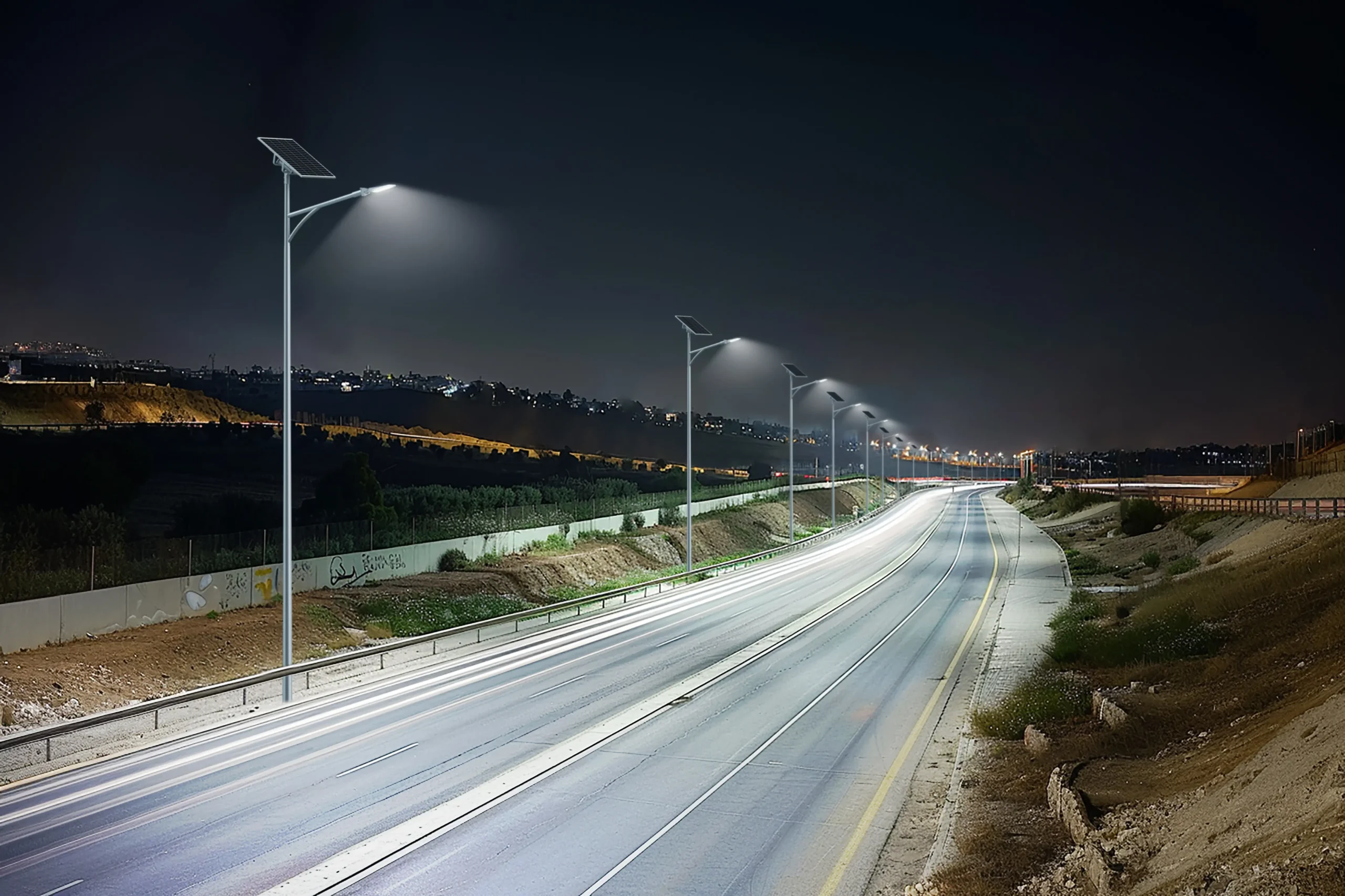
Imagine walking through your neighborhood at night—streets softly illuminated, sidewalks clear, and a calm sense of safety in the air. Modern commercial streetlights make this possible. They are no longer just tall poles with bulbs; they have become smart, energy-efficient systems that are transforming cities across the world. In 2025, these lighting solutions are setting new standards for safety, sustainability, and style in urban environments. Let’s explore how commercial streetlights are changing the way we experience our cities—and how these innovations even benefit your home and indoor comfort.
The Evolution of Street Lighting
For decades, streetlights served one simple purpose: to brighten the night. Old high-pressure sodium lamps or metal halide bulbs were energy-hungry and offered limited control. But the global push for sustainability and smarter infrastructure has sparked an incredible evolution. Modern commercial streetlights now integrate LED technology, sensors, and intelligent control systems that respond to real-time conditions. These systems can adjust brightness based on traffic, time of day, or pedestrian presence, ensuring just the right amount of light when and where it’s needed.
Why Modern Streetlights Matter for Homes and Communities
Even though commercial streetlights are designed for public spaces, their impact extends directly to residential life. A well-lit street improves not only safety but also comfort and property value. When outdoor spaces are properly illuminated, residents feel more secure walking at night, and businesses thrive with improved visibility. Moreover, better lighting contributes to a quieter and more organized environment—something that every homeowner appreciates.
Safety First
One of the biggest benefits of smart street lighting is safety. Advanced LED streetlights distribute light evenly across roads and sidewalks, reducing shadows and blind spots. When coupled with motion sensors and surveillance integration, they create an added layer of protection. Well-lit areas naturally discourage crime, making neighborhoods safer for families and pedestrians.
Sustainability and Energy Savings
Sustainability sits at the heart of modern streetlight innovation. Traditional systems wasted up to half their energy as heat, while new LED and solar-powered lights convert nearly all their energy into illumination. Many cities now use commercial streetlights powered by renewable energy sources such as solar or wind, cutting costs and reducing carbon emissions. These lights can last up to 20 years, minimizing maintenance and replacement expenses. That’s a win for both the environment and public budgets.
Aesthetic Appeal and Urban Comfort
Today’s lighting designs are sleek, customizable, and often serve as visual highlights of urban architecture. Whether it’s a curved LED pole along a parkway or color-changing lights in a modern district, lighting now plays a role in defining a city’s identity. For homes nearby, this modern glow enhances the aesthetic and creates a more pleasant evening atmosphere.
The Technology Powering Commercial Streetlights
Smart Controls and Sensors
Modern streetlights are equipped with smart sensors that can detect motion, measure ambient light, and even respond to weather conditions. This means they automatically dim when the streets are empty and brighten when movement is detected—conserving power while ensuring visibility. These adaptive systems can be monitored remotely, allowing cities to fix outages or adjust schedules instantly.
Internet of Things (IoT) Integration
Through IoT connectivity, commercial streetlights communicate with central control systems to share valuable data. This data helps city planners monitor energy use, identify maintenance needs, and improve traffic safety. For instance, if a section of the street experiences heavy pedestrian traffic, the system can automatically enhance lighting levels in that area. The result is a smarter, more responsive cityscape.
Solar-Powered Systems
Solar streetlights are among the most promising solutions for sustainable urban lighting. Equipped with photovoltaic panels and batteries, they store solar energy during the day and use it to power LEDs at night. This eliminates the need for extensive wiring and reduces dependency on fossil fuels. In some regions, hybrid systems that combine solar with grid power ensure uninterrupted lighting during cloudy or rainy days.
Real-World Impact: How Smart Lighting Benefits Everyone
Cities that have adopted intelligent streetlight systems report significant reductions in energy costs—sometimes as much as 60–70%. Beyond financial savings, these projects have measurable environmental benefits, reducing CO₂ emissions and light pollution. Residents enjoy improved visibility at night, and businesses benefit from extended hours of safe customer access.
Even homeowners feel the effects. Better street lighting means safer driveways, clearer sidewalks, and fewer accidents. Plus, the warm and even light from nearby smart poles can subtly enhance the look of your home’s exterior at night.
How You Can Benefit or Get Involved
If your city hasn’t yet upgraded to smart lighting, there are still ways you can contribute to the movement toward sustainable illumination. You can:
- Encourage your local government to adopt LED or solar streetlight projects.
- Use similar technology at home—install motion-sensor lights along driveways or garden paths.
- Choose energy-efficient bulbs and fixtures that match your outdoor aesthetic.
- Support neighborhood initiatives focused on eco-friendly lighting improvements.
By promoting these ideas, you’re not just saving money—you’re helping create safer, greener spaces for your family and neighbors.
The Future of Commercial Streetlights
As technology advances, commercial streetlights are expected to take on even more roles beyond illumination. Future systems might feature air quality sensors, EV charging ports, and Wi-Fi hotspots, transforming each light pole into a multifunctional urban tool. With AI integration, lighting could become predictive—adjusting to expected traffic patterns or weather conditions. The potential is endless, and the future of city lighting looks brighter than ever.
Final Thoughts
Commercial streetlights have come a long way from simple lamps lighting up our roads. They now stand at the intersection of innovation, sustainability, and design—helping cities become safer, smarter, and more energy-efficient. Whether you’re admiring a beautifully lit street from your living room window or walking through a park at night, you’re experiencing the benefits of technology-driven illumination.
In the years ahead, as smart lighting becomes even more widespread, our cities will continue to evolve into brighter, greener, and more connected places for everyone. The revolution has already begun—and the light guiding the way is smarter than ever.


More Stories
How to Evaluate Information on the Internet
The Best Places to Install Retractable Screens Around Your Home
Illuminate Your Space: Creative Home Lighting Ideas for Every Mood