
Home Decor That Celebrates Texture in the pursuit of beautiful interiors, visual appeal often takes center stage. But beyond color, shape, and proportion lies an essential, often underutilized design language texture. Texture is what turns a visually pleasant space into a tactile, emotionally resonant experience. It brings life, soul, and sensual richness into rooms, coaxing the eye to linger and the hand to explore. This is the spirit of Texture Celebrating Decor a style philosophy where materials aren’t merely seen but deeply felt.
By layering contrasting and complementary textures, designers can evoke mood, create depth, and invite interaction. Texture, when used thoughtfully, brings coherence and complexity. It’s what transforms sterile minimalism into serene elegance and turns vibrant maximalism into comforting chaos. In the modern interior, texture doesn’t shout. It whispers stories of craftsmanship, nature, culture, and time.
The Sensory Power of Texture
Texture Celebrating Decor begins with an understanding that humans are innately tactile. Long before we learn to read color theory or architectural balance, we understand softness, coarseness, temperature, and grain. A nubby wool cushion, a hand-thrown ceramic mug, or the cool surface of honed marble all speak to us on a subconscious level. These sensations linger. They shape how we feel in a space.
Texture also adds visual interest and complexity, especially in monochromatic or neutral palettes. It catches the light in varied ways, casts subtle shadows, and breaks uniformity. When layered intentionally, it elevates even the simplest room into something rich with nuance.
Natural Materials: The Textural Foundation
Authentic texture starts with authentic materials. Organic substances carry inherent irregularities—tiny imperfections that are, paradoxically, what make them perfect.
Wood
From the rawness of reclaimed oak to the smooth sheen of walnut veneer, wood introduces warmth and integrity. It’s timeless, grounding, and endlessly variable.
- Rough-hewn beams lend rustic soul
- Polished parquet offers geometric texture
- Live-edge furniture adds sculptural movement
Stone
Cool to the touch and viscerally ancient, stone speaks of the earth.
- Veined marble brings quiet drama
- Slate introduces ruggedness
- Travertine, with its subtle pitting, creates gentle rhythm
Clay and Ceramic
Handmade pottery is central to Texture Celebrating Decor. Each piece tells the tale of hands and fire.
- Matte glazes with flecks and pooling
- Grooved surfaces that create shadow play
- Uneven rims and intentional asymmetry
These imperfections aren’t flaws; they’re personality.
Textiles
Fabric is where texture comes alive most intimately—woven, tufted, embroidered, felted, or fringed.
- Linen: breezy, wrinkled, refined
- Wool: chunky, warm, textural depth
- Velvet: plush, light-catching luxury
- Bouclé: nubby softness that invites touch
- Jute and sisal: earthy underfoot elegance
A single throw or pillow in the right fabric can transform an entire vignette.
Layering Textures with Intention
Balance is key. Too little texture and a space feels flat; too much, and it becomes chaotic. The art lies in layering textures that contrast yet complement.
Contrast Tactile Experiences
Pair opposites for richness:
- Smooth leather with fuzzy mohair
- Coarse jute with soft linen
- Cool stone against warm wood
This interplay of sensations stimulates the senses without overwhelming them.
Combine Visual Weight
Texture can be heavy or light in appearance. Use this to shape your space.
- Heavy: chunky knits, raw wood, aged metals
- Light: gauzy curtains, fine silk, polished glass
Varying visual weight creates rhythm and avoids monotony.
Horizontal vs. Vertical Texture
Think directionally:
- Horizontal textures (planked wood walls, long drapes) elongate space
- Vertical textures (beadboard, tall bookshelves) add height and drama
Directional texture subtly guides the eye and influences spatial perception.
Textural Accents: Small Scale, Big Impact
You don’t need a full renovation to embrace Texture Celebrating Decor. Simple elements can shift the entire atmosphere.
Cushions & Throws
Swap synthetic cushions for handwoven or embroidered covers. Use throws with pronounced weave or fringe to add motion and visual softness.
Rugs
A tactile rug grounds a room. Choose flatweave kilims for light layering or high-pile Moroccan rugs for luxurious underfoot texture.
Baskets
Woven from seagrass, rattan, or sisal, baskets bring structure and warmth. Use them for storage, planters, or wall decor.
Ceramics & Vases
Matte ceramic, terracotta, or glazed porcelain offers sculptural texture. Cluster in threes, vary heights, and mix finishes.
Wall Art & Hangings
Textural art—embroidered canvases, mixed media pieces, woven tapestries—adds dimension that flat prints cannot.
Texture in Architectural Details
Sometimes, texture is best built into the bones of a space.
Walls
- Venetian plaster offers depth and variation
- Limewash paint creates a soft, cloudlike surface
- Exposed brick or stone adds instant authenticity
- Wood cladding or slats introduce architectural rhythm
These surfaces age beautifully, becoming more compelling over time.
Ceilings
Often overlooked, ceilings are an excellent place to celebrate texture.
- Exposed beams for rustic soul
- Coffered ceilings for structured elegance
- Textured paint or subtle wallpaper for softness
Doors & Cabinetry
Instead of flat, glossy finishes, opt for:
- Reeded or fluted wood panels
- Hand-painted cabinetry with visible brushstrokes
- Leather or metal handles that develop patina
These details enrich daily interaction.
Texture Across Design Styles
Texture transcends decor categories. Whether your style is modern or bohemian, minimal or maximal, you can integrate Texture Celebrating Decor in meaningful ways.
Modern Minimalism
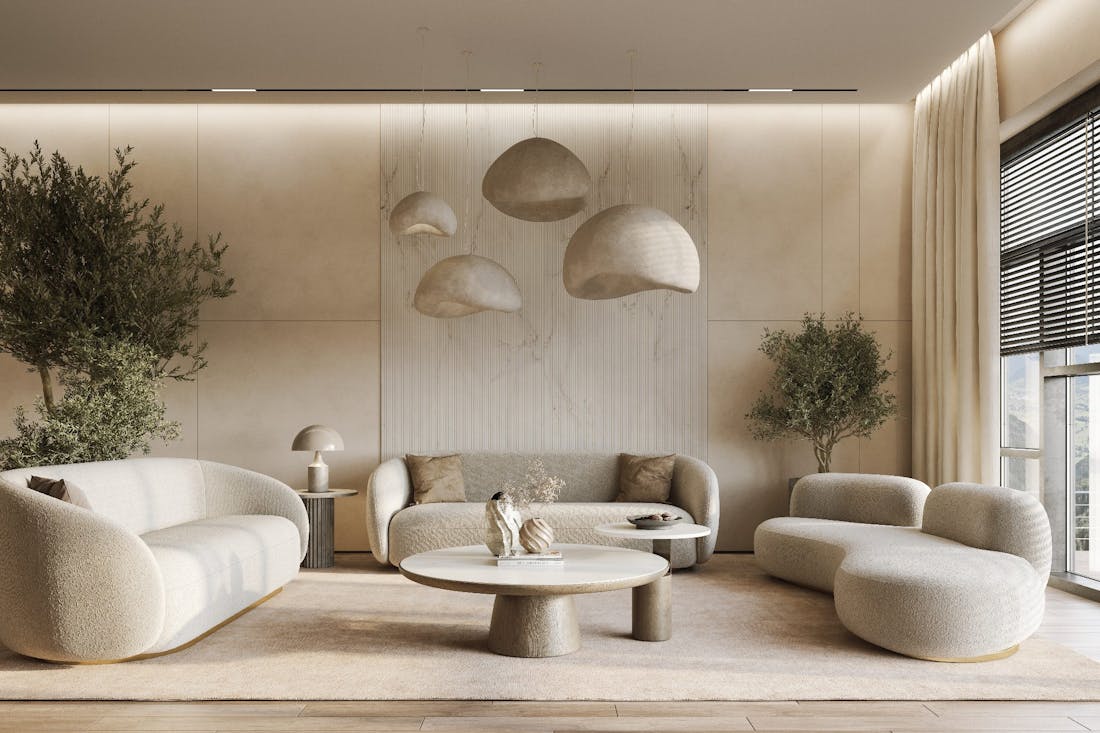
In minimalist spaces, texture becomes the primary ornamentation. Layer whites and grays in varied textures: a boucle sofa, linen curtains, matte concrete flooring.
Scandinavian
Scandinavian interiors lean heavily on natural materials—wool, wood, sheepskin. Their iconic simplicity comes alive through tactile variety.
Wabi-Sabi
This Japanese philosophy celebrates imperfection and raw beauty. Unfinished wood, cracked ceramics, and aged stone embody its ethos.
Bohemian
Texture is the heart of boho style: macramé, tassels, layering, vintage rugs, embroidered fabrics. The more variety, the richer the story.
Industrial
Raw texture defines this aesthetic. Think rough concrete, oxidized metal, exposed ducts. Balance hardness with textiles to soften the edge.
Playing with Light and Shadow
Texture isn’t static. It responds to light—changing throughout the day, shifting with the seasons.
- A rattan pendant lamp throws intricate shadows
- Linen curtains filter golden morning rays
- Carved wood surfaces cast micro-shadows that add depth
Use natural and ambient lighting to amplify textural elements. Let texture become dynamic, alive.
Monochromatic Doesn’t Mean Monotone
Neutral palettes thrive when they’re texturally rich. Beige on beige is luxurious when one is suede, another boucle, another brushed cotton.
Try:
- A soft white sofa with woven pillows
- A canvas-colored rug atop light oak flooring
- Ceramic and stone accents in eggshell and ecru
Color restraint brings harmony; texture adds narrative.
Outdoor Textures Brought In
Bringing the outdoors inside is more than adding plants. Outdoor textures provide grounding energy.
- Stone planters or fountains
- Raw wood sculptures or driftwood
- Pebble trays, sand-colored ceramics
- Wicker and cane furniture
They remind us of nature’s touch—rough bark, smooth stones, dappled leaves.
Textural Neutrals vs. Textural Color
Texture doesn’t have to be neutral. Bold colors gain sophistication through material variation.
- Deep green velvet next to forest-toned corduroy
- Indigo-dyed linen beside cobalt ceramics
- Terracotta against rust-toned clay or brick
Mixing vibrant hues with dynamic textures avoids flatness and adds soul.
Incorporating Touch in the Digital Age
In an increasingly digital world, our hands crave contact. Spaces that honor texture become havens of groundedness and presence.
- Books with linen covers
- Wood desks that show grain
- Handwoven baskets near tech corners
- Textured walls behind screens
A tactile home is an antidote to virtual living.
Seasonal Textural Shifts
Texture can be seasonal, too.
Spring/Summer:
- Lightweight linens
- Gauzy cottons
- Woven cane or rattan
- Light-toned ceramics
Autumn/Winter:
- Wool throws
- Velvet cushions
- Sheepskin rugs
- Heavy drapery or corduroy
Adjusting layers brings freshness and comfort year-round.
Curated Imperfection
True texture isn’t flawless—it’s organic. Scratches, knots, frays, and irregularities are part of the charm.
Choose:
- Handmade over machine-made
- Vintage over new
- Raw over refined
This authenticity brings character and soul to a home.
Final Thoughts
In the world of interiors, texture is the silent poet. It evokes without words, comforts without effort, and elevates without flash. Embracing Texture Celebrating Decor means creating a space that doesn’t just please the eye but speaks to every sense.
It’s in the way sunlight falls across a woven rug, how your fingertips trail along a clay vase, the contrast between cool marble and warm wood. It’s the layering of experiences, the invitation to dwell, to notice, to feel. In these moments of material intimacy, a house becomes a home tactile, soulful, and deeply alive.



More Stories
Transform Your Home with These Unexpected Decor Hacks
Creative Home Decor: Transforming Spaces with Style and Substance
Sunlit Serenity: 15 Transformative Decor Ideas to Elevate Your Space with Warmth and Whimsy