
Home Decor for Cozy Inviting Spaces the modern home is more than a shelter it’s a sanctuary. In a world filled with noise, movement, and constant distraction, the most cherished interiors are those that evoke warmth, serenity, and a deep sense of belonging. Designing for Cozy Inviting Spaces is not merely a stylistic pursuit but a soulful endeavor. It involves tactile textures, comforting color palettes, intuitive layouts, and personal touches that transform a house into a haven.
This guide explores the layered elements that contribute to making a space feel both cozy and welcoming, from ambient lighting to sensory materials and grounding color theory. Every element, when thoughtfully orchestrated, creates emotional architecture—rooms that don’t just look good but feel like home.
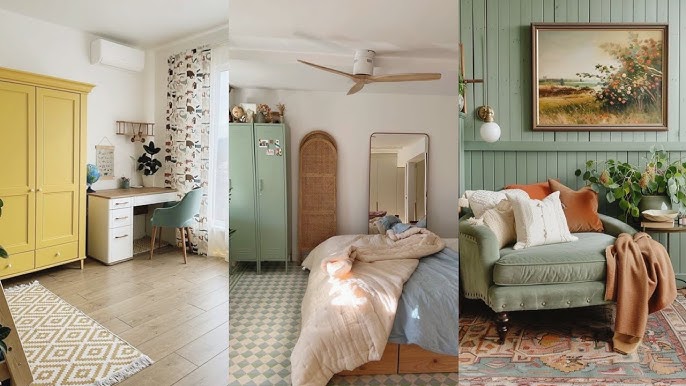
1. Embracing a Warm Color Palette
Color affects mood as much as temperature. For spaces that invite you to stay, gravitate toward a warm, earthy palette. Think terracotta, soft ochre, muted rust, clay, olive, and sand.
Avoid overly stark white; instead, opt for creamy neutrals, mushroom greys, and warm taupes. Blush tones can add soft romance, while deeper tones—like navy or forest green—ground the space and envelop it with intimacy.
Layering these hues creates depth and comfort, laying the foundation for Cozy Inviting Spaces that soothe rather than stimulate.
2. Layered Lighting for Ambient Glow
Lighting sets the emotional temperature of a room. To craft Cozy Inviting Spaces, abandon the single overhead bulb. Instead, use layered lighting: ambient, task, and accent sources.
Install dimmers on ceiling fixtures to modulate brightness. Add table lamps with soft linen shades, wall sconces for visual interest, and candles for flickering charm. Edison bulbs, warm LED strips, or lanterns add layers of light and shadow that mimic natural variation.
It’s this play of light—intimate, low, and dappled—that invites you to linger longer in a room.
3. The Power of Natural Materials
Incorporate nature’s touch into interiors. Raw materials—wood, stone, linen, wool, rattan—have an inherent warmth and tactility that synthetic surfaces simply lack.
Use exposed wooden beams, weathered oak furniture, or slate-tiled fireplaces to introduce grounded, earthy tones. Choose jute rugs, cotton throws, and leather poufs. Even small details—a hand-thrown ceramic mug or a carved wooden bowl—bring a human touch.
These organic textures are critical in designing Cozy Inviting Spaces that feel rooted and authentic.
4. Textiles: Layer Upon Layer
Textiles transform a room from sterile to snug. Think layers: plush throw blankets, quilted coverlets, soft linen curtains, velvet cushions, and woolen area rugs.
Drape a chunky knit over the back of a sofa, stack oversized floor pillows in a corner, or lay a sheepskin over a hard bench. Mix textures—bouclé with cotton, silk with wool—for tactile richness.
The more you layer, the more inviting your home becomes. Texture seduces the eye and beckons the body to relax.
5. Scent as Design
Scent is the invisible architecture of a home. It can calm, uplift, or transport. To enhance Cozy Inviting Spaces, use layered aromas—essential oil diffusers, soy candles, incense, or simmer pots with citrus and cinnamon.
Choose grounding scents like sandalwood, amber, patchouli, or vanilla. In kitchens, let the smell of baking bread or simmering herbs fill the air. In bedrooms, opt for lavender or chamomile to signal rest.
Scent memory is powerful. It imprints the feeling of home in our minds long after we leave a room.
6. Tactile Furnishings with Soft Edges
Furniture should invite touch and relaxation. Rounded arms, pillowy upholstery, deep seating—all contribute to a room’s embrace.
Swap angular, harsh silhouettes for gently curved chairs, cloud-like sofas, and overstuffed ottomans. Upholster in touchable fabrics: chenille, corduroy, velvet, or nubby linen.
Each piece should say, “Sit. Stay awhile.” These choices are essential to designing Cozy Inviting Spaces where comfort is never compromised.
7. Slow Living in Decor
Reject the fast-paced accumulation of objects. Instead, curate with intention. Choose pieces that have story, craftsmanship, and soul.
Wabi-sabi aesthetics—where imperfections are celebrated—can be guiding principles. A crack in a ceramic vase. A frayed-edge linen napkin. A faded family heirloom. These details breathe warmth into spaces.
Slower design equals deeper connection. It’s a philosophy as much as a look, and it forms the emotional core of truly Cozy Inviting Spaces.
8. Personal Touches That Speak
Sterile spaces are impersonal. To infuse heart, integrate pieces that matter: framed family photos, hand-written notes, books with worn spines, or a child’s drawing in a modest frame.
Use your shelves not just to style, but to narrate your life. Let your walls speak in a quiet, familiar dialect.
The power of these elements is in their ability to ground us. Familiarity is a cornerstone of emotional warmth.
9. Fireplaces and the Hearth
Nothing says “welcome” like a flickering fire. Whether real or electric, a fireplace becomes a gravitational center—people gather, relax, unwind.
Surround it with cozy chairs, a basket of kindling, and a thick rug underfoot. Mount a rustic beam above for candles, vases, or art.
Where fireplaces are not possible, consider faux mantels, or clusters of pillar candles to simulate glow and focus.
The hearth has always been a symbol of sanctuary—it’s the quintessential emblem of Cozy Inviting Spaces.
10. Intimate Room Layouts
Open floor plans can feel cavernous. To counteract this, carve out intimacy through strategic furniture placement. Use rugs to define zones. Position seating in conversation circles rather than facing screens. Pull chairs closer. Embrace asymmetry.
Create a reading nook with a lamp, chair, and stack of books. Tuck a bench under a window. These micro-environments foster human connection.
Spatial intimacy helps convert even large homes into Cozy Inviting Spaces where closeness is natural, not forced.
11. Window Treatments That Warm
Curtains do more than filter light. They soften a room’s acoustics, frame views, and create cocoon-like privacy.
Choose full-length panels in rich materials—linen, velvet, or cotton blends. Let them pool slightly at the floor. In winter, opt for thermal lining for both insulation and opulence.
Roman shades in soft fabrics also add structure with softness, especially in kitchens or baths.
Windows dressed thoughtfully are like warm scarves around the neck of a space—beautiful and functional.
12. Books and Built-Ins
Books signal life. Whether it’s a floor-to-ceiling library wall or a humble stack by the bedside, books humanize a space.
Use built-ins to organize them with intention. Add nooks for reading. Let bookshelves evolve naturally with time. Mix them with objects: framed art, clay pots, woven baskets.
A book-filled space exudes warmth and intellect. It’s one of the most time-tested and enduring elements of Cozy Inviting Spaces.
13. Color Drenching for Enveloping Comfort
While accent walls still have a place, there’s a growing trend of color-drenching—painting walls, ceilings, and trim in one enveloping hue.
Choose warm, muted tones like dusty rose, muted sage, or soft charcoal. The result is cocoon-like: a visual embrace that anchors the room.
This technique enhances depth and unity, ideal for bedrooms, dining rooms, or dens meant for retreat.
Color drenching creates sensory continuity, a hallmark of Cozy Inviting Spaces.
14. Incorporating Nature Indoors
Nature nourishes. Bringing the outside in is a direct path to coziness.
Use houseplants of varying scale—tall fiddle-leaf figs, trailing pothos, spiky snake plants. Display dried florals in vintage vessels. Fill bowls with pinecones or citrus. Hang botanical prints in antique frames.
Natural elements foster tranquility and air purification, elevating both visual appeal and emotional well-being.
This biophilic connection is fundamental in creating Cozy Inviting Spaces with an organic heartbeat.
15. Rugs That Anchor and Warm
Bare floors feel cold—literally and figuratively. Rugs add visual warmth and define space.
Opt for high-pile or wool rugs in intimate zones like bedrooms and lounges. Layer smaller rugs over larger neutrals for texture play. In hallways, use runners to guide flow and soften acoustics.
Oriental patterns, Moroccan textures, or even braided jute can be deeply comforting depending on the aesthetic.
The right rug turns a room into a sanctuary—a grounding layer that holds everything together.
16. Soft Soundscapes
Sound impacts how we feel in a space. Soften ambient noise with curtains, upholstered furniture, and plush rugs.
Introduce calming auditory layers—vinyl records, wind chimes, bubbling water features, or curated playlists with ambient jazz or acoustic melodies.
Soundproofing materials or sound-dampening panels can also transform echoey rooms into hushed cocoons.
A soft, controlled sound environment enhances the emotional coziness of your home, making it part of a holistic Cozy Inviting Spaces strategy.
17. Kitchens as Heart Centers
The kitchen isn’t just functional—it’s familial. Create a kitchen that invites lingering, not just cooking.
Use warm woods, open shelving with handmade ceramics, vintage accessories, and ambient lighting. Add bar stools for casual conversations. Include a basket for fresh bread, a teapot always ready.
If space allows, a breakfast nook with cushioned benches and cozy textiles becomes a morning refuge.
When kitchens are infused with warmth, they become the soul of Cozy Inviting Spaces.
18. Bedroom Retreats
Bedrooms should whisper peace. Drape beds in layers: flannel sheets, duvets, quilts, textured throws. Use soft light and blackout curtains. Keep color palettes muted and earthy.
Add a plush rug underfoot, a reading chair in the corner, or a bedside diffuser with lavender. Minimize tech and maximize touchable surfaces.
The goal is to retreat, restore, and recharge. A bedroom should feel like a lullaby rendered in fabric and form.
19. Entryways That Hug
First impressions linger. An inviting entryway sets the emotional tone of a home.
Place a bench with a soft cushion, hooks for coats, a small rug for shoes, and perhaps a plant or candle. Add a small tray for keys and a mirror to bounce light.
The message is clear: this is a place where you’re welcome, expected, and cared for. It is the beginning of Cozy Inviting Spaces that continue throughout the home.
20. Gentle Contrasts and Earthy Accents
Rather than stark juxtapositions, cozy decor thrives on gentle contrast. Pair linen with leather, matte with gloss, cool stone with warm wood.
Introduce earthy accents: terracotta pots, ceramic vessels, driftwood, or patinaed metals. These elements echo nature’s rhythms—imperfect, irregular, grounded.
This kind of contrast calms rather than energizes. It reinforces the balance central to Cozy Inviting Spaces.
Final Thoughts
Home is not just a location—it’s a sensation. To design for coziness is to prioritize human comfort, emotional resonance, and sensory delight. It’s a process of layering—not just materials and textures, but also moments and memories.
Every flickering candle, every softly worn cushion, every cherished book on a shelf contributes to a greater story. That story is told in warmth, in welcome, in the enduring power of atmosphere.
Cozy Inviting Spaces are not just made—they’re felt. And when done right, they’re never forgotten.



More Stories
Transform Your Home with These Unexpected Decor Hacks
Creative Home Decor: Transforming Spaces with Style and Substance
Sunlit Serenity: 15 Transformative Decor Ideas to Elevate Your Space with Warmth and Whimsy