
Home Decor for a Minimalist Makeover simplicity is the new sophistication. In a world saturated with stimuli, the home has evolved into a sanctuary of calm a place where every object holds meaning, every surface breathes, and every corner feels curated. At the heart of this evolution lies Minimalist Makeover Decor, a design philosophy that favors clarity, serenity, and purposeful living.
A minimalist home isn’t barren or sterile. Instead, it whispers elegance through restraint. It balances light and shadow, form and function, silence and substance. From the architectural bones to the smallest decorative accents, minimalist decor is deliberate and impactful.
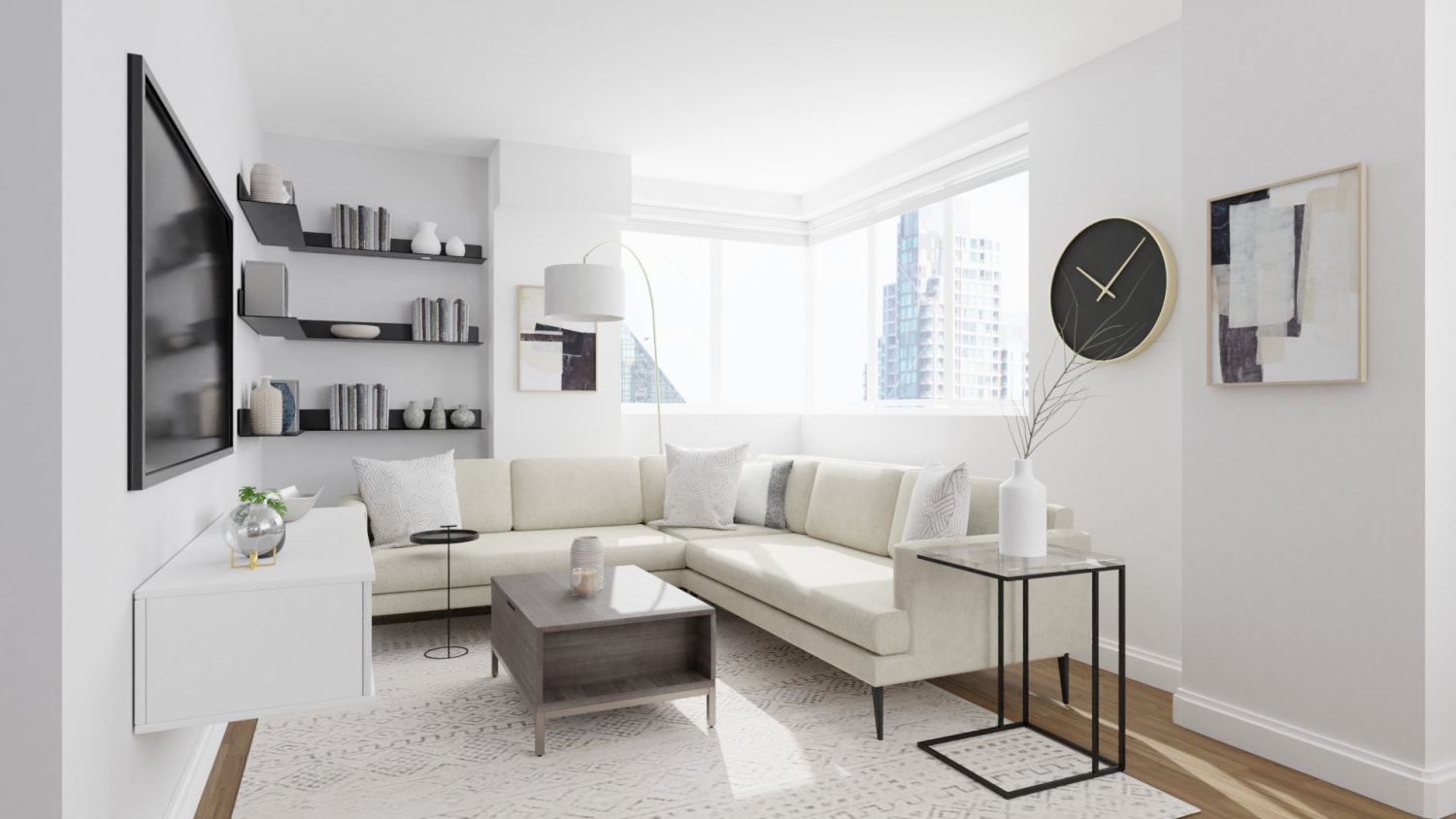
Understanding the Essence of Minimalism in Interior Design
Minimalism is not simply about having fewer things. It is about having the right things. Minimalist Makeover Decor revolves around refining your space—stripping it of the nonessential and celebrating what remains.
This approach prioritizes:
- Clean lines and open space
- Quality over quantity
- Functional beauty
- Neutral and muted palettes
- Thoughtful materiality
Minimalist spaces exude a quiet confidence. They draw attention not through clutter but through clarity and composure.
The Minimalist Color Palette: Neutral, Natural, and Nuanced
Color in minimalist design acts as a backdrop for emotion. It creates depth without chaos, atmosphere without excess.
Core Palette Components:
- Whites and Off-Whites: Foundation shades that reflect light and purity.
- Greys: From pale dove to charcoal, greys add dimension and sophistication.
- Beiges and Taupes: Earthy, warm, and grounding.
- Black: Used sparingly, it anchors and defines.
Avoid jarring contrasts. Instead, use tonal layering—multiple shades of the same hue—to achieve depth. Introduce warmth through undertones, and bring subtle variety with textures rather than color.
Furniture: Sculptural Simplicity
In Minimalist Makeover Decor, furniture is art. Each piece should serve a purpose—both functional and visual. Focus on form, proportion, and negative space.
Key Characteristics:
- Low-profile sofas and beds
- Streamlined silhouettes
- Floating shelves or wall-mounted units
- Matte or natural wood finishes
- Understated upholstery in solid tones
Choose fewer pieces, but ensure they are high-quality and timeless. A single well-crafted chair can speak louder than a roomful of trend-driven items.
Space Over Stuff: The Luxury of Breathing Room
Minimalism reveres space itself. Empty walls, open corners, and unoccupied surfaces allow light to flow and the eye to rest.
Decluttering is not a trend—it’s a practice. Keep only what serves you. Hide the rest or let it go. Even decorative items should be intentional.
Design Tip: Allow furniture to “float” off walls. Leave space around objects. Use wall hooks or ceiling-mounted lighting to lift things off the floor and enhance flow.
Textures: The Soul of Subtlety
Without vibrant color, minimalist interiors rely on texture to create sensory richness. Contrasts in surface invite touch and evoke emotion.
Textural Elements to Include:
- Raw linens and cotton
- Woven wool or jute rugs
- Smooth ceramics and matte stone
- Unfinished wood grains
- Soft leather or suede
Layer these thoughtfully. A crisp cotton throw over a boucle armchair or a travertine table atop a wool rug adds depth while maintaining minimalism.
Lighting: Mood and Movement
Lighting in minimalist interiors is sculptural. It creates shadow play, defines zones, and enhances architectural elements.
Recommendations:
- Track lighting or recessed lights for clean ceilings
- Pendant lights with sleek, geometric forms
- Floor lamps with slender profiles
- Sconces that offer ambient glow without visual weight
Natural light should be maximized. Use sheer curtains or none at all. Let sunlight trace the curves and lines of your space.
Art and Accessories: Intentional Impact
Minimalism doesn’t reject art. It just gives it room to breathe. In Minimalist Makeover Decor, every accessory is curated for maximum impact.
- Choose large-scale art with minimal detail—monochrome, abstract, or line-based.
- Use sculptural objects in ceramics, metal, or wood.
- Avoid overcrowding shelves. Embrace empty space as a design tool.
- Decorate with nature: a single branch in a tall vase, a smooth river stone, or a dried arrangement.
Keep each vignette focused and harmonious.
Storage: Hidden, Clever, Seamless
Minimalist spaces should not appear cluttered, even if they serve complex lives. Storage solutions must be clever and concealed.
Smart Storage Ideas:
- Built-in cabinets with flat, handleless fronts
- Storage ottomans and benches
- Under-bed drawers
- Wall-to-wall shelving hidden behind sliding panels
- Kitchen islands with integrated compartments
Every object should have a designated place. When not in use, it disappears into silence.
Flooring: Quiet Foundation
Flooring sets the tone. In minimalist homes, it should be continuous and calm.
Recommended Materials:
- Polished concrete
- Light wood (white oak, birch)
- Large-format tiles in neutral tones
- Matte-finish laminates for budget-conscious design
Avoid busy patterns. Add visual interest through subtle grain or tone-on-tone texture.
The Minimalist Kitchen: Streamlined and Elegant
The kitchen in a minimalist home prioritizes clarity. Cabinets blend into walls. Appliances are integrated. Countertops remain uncluttered.
Essentials:
- Flat-panel cabinetry
- Open shelving with minimal objects
- Matte finishes in white, grey, or wood
- Hardware-free doors with push-open mechanisms
- Concealed storage for all everyday items
Use one or two statement pieces—a marble bowl, a handmade mug set, or a potted herb—to soften the precision.
The Bathroom: Spa-Like Stillness
A minimalist bathroom is a place of purification and calm. Its surfaces should feel clean and tactile.
Key Features:
- Frameless mirrors
- Wall-mounted sinks and faucets
- Neutral stone or tile in large formats
- Wood or bamboo accessories
- Soft, plush towels in solid colors
Less is more. Keep toiletries hidden. Let one vase or candle tell the story.
Bedroom Minimalism: Sanctuary and Stillness
In Minimalist Makeover Decor, the bedroom is sacred. It’s where rest meets ritual, not chaos.
Design Elements:
- Platform beds in wood or upholstered frames
- Bedding in soft, natural fabrics—linen, cotton, muslin
- One or two bedside tables with concealed storage
- Neutral artwork or tone-on-tone paneling
- Hidden lighting (behind headboards or under shelves)
Use layering to add warmth—throws, pillows, rugs—all in subdued textures and tones.
Minimalism in Small Spaces
Minimalism shines in compact homes. It enhances spatial perception and calms visual noise.
Tactics:
- Wall-mounted furniture to free floor space
- Transparent pieces (acrylic chairs, glass tables)
- Folding, nesting, or modular elements
- Mirrored surfaces to bounce light
- Built-in vertical storage systems
Edit ruthlessly. Let each item justify its presence.
Sustainability and Ethical Choices
Minimalism and sustainability go hand-in-hand. Choose well, buy less, and care more.
Ethical Minimalist Practices:
- Invest in long-lasting, quality items
- Choose eco-friendly materials and natural fibers
- Support local or handmade goods
- Avoid synthetic or disposable decor
- Repair before replacing
This adds not only aesthetic value but also integrity to your design.
Mindful Decor: The Inner Shift
Minimalist design isn’t just physical—it’s psychological. A home without clutter fosters clarity of thought and emotional grounding.
Incorporate rituals that reinforce this:
- Daily tidying rituals
- Open windows every morning
- Rotate decorative objects with the seasons
- Display only what brings peace or purpose
This is where Minimalist Makeover Decor transcends style and becomes a way of life.
Common Mistakes to Avoid
Even with good intentions, it’s easy to misstep in minimalist design.
Watch Out For:
- Coldness: Balance simplicity with softness through textiles and organic materials.
- Blandness: Use shape, shadow, and material variation to create visual depth.
- Repetition: Avoid making every room identical. Let each space have its own nuance.
- Sterility: Add soul with handcrafted, aged, or natural elements.
Minimalism is not about deprivation. It’s about selection and celebration.
Budget Minimalism: Style Without Splurge
Achieving a minimalist makeover doesn’t require massive expense. Many changes are free—decluttering, rearranging, or simplifying.
Affordable Upgrades:
- A fresh coat of white or neutral paint
- Removing cabinet hardware for a sleek look
- Swapping out mismatched decor for one cohesive set
- Buying second-hand, but high-quality, pieces
- DIY artwork or reclaimed wood shelving
Minimalism thrives on intention, not investment.
Final Reflections
Minimalist Makeover Decor is not about having less, but about living more mindfully. It is about choosing calm over chaos, elegance over excess, and essence over embellishment.
Through careful curation, neutral palettes, rich textures, and meaningful design, your home becomes a canvas of clarity—a space that reflects who you are and how you wish to feel. Minimalism is not a trend. It is timeless. And in its quiet, graceful way, it speaks louder than the rest.



More Stories
Transform Your Home with These Unexpected Decor Hacks
Creative Home Decor: Transforming Spaces with Style and Substance
Sunlit Serenity: 15 Transformative Decor Ideas to Elevate Your Space with Warmth and Whimsy