
Furniture Ideas That Balance Form and Flow in the ever-evolving world of interior design, striking a harmony between aesthetics and practicality isn’t just desirable it’s essential. Beauty draws us in, but it’s flow that keeps us grounded in the space. The perfect interior balances symmetry with spontaneity, structure with softness, and style with movement. Welcome to the age of Form Flow Balance a concept where every chair, table, and shelf contributes to both visual delight and spatial harmony.
A home should be more than a collection of pretty things. It should feel good to move through. Furniture that balances Form Flow Balance doesn’t just sit pretty; it works hard to foster calm, coherence, and clarity.
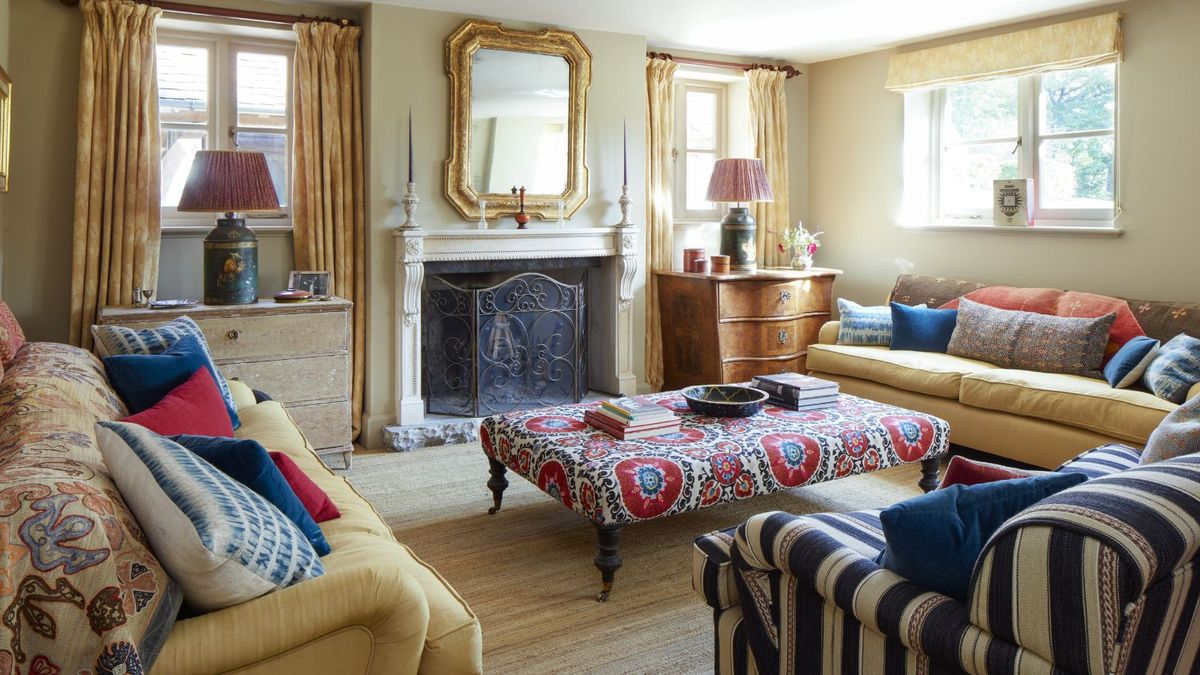
Understanding the Philosophy Behind Form Flow Balance
Before diving into specific furniture ideas, let’s unpack the meaning behind Form Flow Balance. This philosophy encourages designers and homeowners to prioritize the relationship between a piece’s shape (form), its practical placement (flow), and how both aspects work together within a space.
Form is the visual language—clean lines, bold silhouettes, curves, angles, and materials that please the eye. Flow is spatial logic—the way you move from one area to another without obstruction, the feeling of airiness and connection in a room. When form and flow are aligned, balance emerges. That’s when a space starts to feel intentional, grounded, and inviting.
Let’s explore how you can cultivate that equilibrium through furniture choices that speak to both beauty and function.
1. The Floating Console: Minimalism Meets Functionality
A floating console or shelf mounted on the wall adds sleekness without visual clutter. Its airy silhouette helps maintain floor space while providing essential storage or display space.
Look for consoles in:
- Natural woods for organic warmth
- High-gloss finishes for a modern sheen
- Neutral tones that seamlessly blend into walls
These consoles are perfect in entryways, behind sofas, or beneath wall-mounted TVs. Their streamlined design exemplifies Form Flow Balance—aesthetically striking while keeping the pathway open.
2. Sculptural Seating That Doesn’t Sacrifice Comfort
Sofas and chairs are often the largest visual and spatial elements in a room. When selecting these pieces, avoid the trap of prioritizing either comfort or looks exclusively. Instead, seek seating that is both ergonomic and expressive.
Designs to consider:
- Low-profile sofas with plush yet angular cushioning
- Armchairs with unexpected lines—rounded backs or asymmetrical arms
- Bench seating with curved bases or tapered legs
These pieces create conversation zones without overwhelming the space. They contribute to a room’s sculptural identity, reinforcing Form Flow Balance by anchoring while allowing movement around them.
3. Open-Sided Bookshelves: Dividers That Breathe
Open-sided or ladder-style bookshelves serve double duty as storage and subtle space separators. Use them to define living and dining areas without erecting solid barriers.
Ideal configurations:
- Vertical shelves for narrow zones
- Horizontal low units that double as media stands
- Backless models to allow light and sightlines to travel
These shelves offer architectural interest and support Form Flow Balance by delineating zones without interrupting circulation.
4. Glass and Acrylic Tables: Invisible Anchors
When you need a table that performs without visually encroaching on space, look no further than glass and acrylic. These materials reflect light, create the illusion of openness, and add a touch of sophistication.
Styles worth noting:
- Waterfall coffee tables with smooth edges
- Acrylic nesting tables for versatile functionality
- Glass-topped dining tables with sculptural metal or wood bases
These transparent options melt into their surroundings, upholding Form Flow Balance by keeping the visual weight light while offering full usability.
5. Mobile Furniture: Flow on Wheels
In dynamic homes where rooms shift in purpose—think studios, small apartments, or multifunctional spaces—furniture with wheels becomes a form-flow champion.
Savvy selections:
- Rolling kitchen islands that double as serving stations
- Mobile filing cabinets that tuck under desks or become side tables
- Utility carts that morph from bar stations to craft corners
Mobility means flexibility, and flexibility enhances flow. This type of furniture supports Form Flow Balance by adapting to your lifestyle’s rhythm.
6. Multi-Height Surfaces: Layered Utility
Introducing a variety of surface heights within a room isn’t just a visual treat—it’s a strategy for improving function and energy. Layering high and low elements creates visual motion, reducing stagnation and energizing the environment.
Effective combinations:
- Coffee tables paired with taller side tables
- Low ottomans flanking high-backed chairs
- Plant stands elevating greenery to different levels
The layering effect supports Form Flow Balance, offering a sensory journey while enabling functional zones for lounging, reading, or entertaining.
7. Wall-Mounted Desks: Work Without the Bulk
In modern households, dedicated workspaces are crucial—but they don’t have to dominate the room. Wall-mounted desks provide a sleek solution, especially in tight quarters or transitional areas.
Features to look for:
- Fold-down surfaces for compactness
- Built-in shelving above or below
- Integrated cable management
Their unobtrusive form and thoughtful placement ensure Form Flow Balance, supporting productivity without interrupting serenity.
8. Dining Benches: Linear Solutions for Shared Spaces
Traditional dining chairs break up the eye line, especially in compact dining areas. Benches, on the other hand, offer streamlined seating that encourages flow and flexibility.
Bench benefits:
- They tuck neatly under the table when not in use
- They allow for more guests in tight dining spots
- They introduce a casual, communal vibe
In homes where dining tables double as desks or crafts zones, benches promote Form Flow Balance—a harmonious mix of function and formality.
9. Nesting Furniture: Clever Companions
Nesting tables, stackable stools, and collapsible chairs are masters of transformation. They appear when needed, then disappear when not.
Perfect examples:
- Side tables that slide into one another
- Ottomans that stack neatly in a corner
- Wall-hung foldable chairs for extra guests
Compact, clever, and charming—these pieces respect spatial logic while embracing visual simplicity. They shine within the Form Flow Balance framework.
10. Mirrored Accents: Reflect and Expand
Mirrors are more than decorative—they’re spatial enhancers. When paired with furniture thoughtfully, they double light, extend sightlines, and amplify form.
Integration ideas:
- A mirrored console table in a narrow hallway
- Mirrored panels behind floating shelves
- Accent chairs placed near oversized mirrors for visual depth
Mirrored surfaces not only add elegance, they reinforce Form Flow Balance by expanding the perceived room dimensions.
11. Curved Lines for a Softened Flow
Angular furniture can feel harsh if overused. Incorporating curved elements—whether in headboards, sofas, or shelving—softens the flow and creates a nurturing ambience.
Curvy favorites:
- Arched cabinets with fluted doors
- Oval dining tables that encourage conversation
- Circular ottomans as flexible centerpieces
These organic shapes inspire emotional ease and foster movement, supporting a gentle version of Form Flow Balance.
12. Integrated Lighting Within Furniture
Furniture that glows from within—or includes integrated lighting—adds both form and function in a single stroke. This fusion prevents the need for bulky lamps while introducing atmosphere and utility.
Illuminated ingenuity:
- Bed frames with built-in LED strips
- Desks with under-shelf task lighting
- Bookshelves with accent lights tucked inside
Subtle but powerful, light-integrated furniture casts both literal and figurative light on Form Flow Balance, giving spaces more energy and elegance.
13. Expandable Surfaces: Function with Flex
Many homes today require flexibility from every square foot. Tables and consoles that expand or shift help accommodate daily changes without permanent clutter.
Convertible wonders:
- Dining tables with hidden leaves
- Wall-mounted ironing boards that become craft surfaces
- Pull-out countertops in kitchen islands
These chameleon-like furnishings shift in size and purpose, maintaining seamless Form Flow Balance throughout transitions.
14. Seamless Storage: Hidden Yet Handy
Storage is vital, but it shouldn’t scream for attention. Built-in storage in beds, benches, and seating provides utility without visual noise.
Discreet delights:
- Platform beds with under-drawers
- Benches with flip-up tops
- Sofas with side pockets and cubbies
These storage heroes keep surfaces clean and visuals calm, preserving a peaceful Form Flow Balance in both small and large spaces.
15. Material Harmony: Matching Texture to Energy
Texture is a silent language. Pairing smooth with rough, matte with gloss, or plush with hard surfaces introduces rhythm to your interiors.
Material medleys to try:
- Velvet chairs beside raw wood tables
- Concrete planters near soft linen drapes
- Woven baskets beneath lacquered sideboards
This interplay of tactile sensations builds harmony and completes the Form Flow Balance equation by engaging all senses.
16. Custom-Made Corner Pieces: Utilizing the Underrated
Corners often go underutilized, but when filled thoughtfully, they add efficiency and comfort to forgotten zones.
Tailored pieces:
- Corner desks in home offices
- L-shaped reading nooks with built-in lighting
- Triangular corner shelves for decor or books
These niche fillers complete circulation and add cohesion—hallmarks of exceptional Form Flow Balance.
17. Transparency and Airiness in Material Choices
Choosing materials like rattan, mesh, lucite, or light-toned woods adds visual breathability. These see-through or light-catching surfaces lighten the visual load.
Airy examples:
- Rattan accent chairs
- Lucite bar stools
- Perforated metal side tables
They let light pass through and add subtle definition to zones, ensuring a refined Form Flow Balance between visual weight and spatial grace.
18. Round Rugs and Organic Shapes to Guide Movement
While rectangular rugs anchor a space traditionally, round or organically shaped rugs guide natural flow and soften hard angles.
Placement ideas:
- Under round dining tables to echo the shape
- In reading nooks to envelop a chair and lamp
- As transition points between zones
The right rug can direct movement without walls, supporting fluid Form Flow Balance effortlessly.
19. Personal Touches That Don’t Clutter
Balancing aesthetics and movement doesn’t mean sterilizing your space. The key is to incorporate personal elements that also have purpose or visual harmony.
Consider:
- A sculptural vase as a focal point
- Heirloom trays used to organize countertops
- Gallery walls that echo the room’s shapes and tones
When thoughtfully curated, these items contribute to a narrative without disrupting the spatial story. They live in harmony with Form Flow Balance.
Final Reflections: Crafting the Balanced Home
Designing with Form Flow Balance at the forefront creates spaces that not only look good but feel right. Every piece of furniture becomes a participant in the room’s rhythm, supporting both pause and movement, focus and rest.
As lifestyles evolve, this harmony becomes even more essential. With the right furniture selected thoughtfully and placed intentionally you create a home where design isn’t a backdrop, but a living, breathing part of everyday life.
Beauty alone doesn’t build a sanctuary. Flow alone doesn’t stir the soul. But together, they form the alchemy of great design. That’s the promise and power of Form Flow Balance.



More Stories
Elevate Your Space: A Journey Through Timeless Furniture Styles for Every Home
Furniture Trends 2024: Where Function Meets the Fantastic
Reimagining Comfort: Unconventional Furniture Ideas for Every Space