
Interior Design That Feels Inviting creating interiors that beckon inhabitants and guests alike requires a deft blend of aesthetic intuition and human-centric strategies. An inviting room is more than a sum of its parts—it’s a multisensory experience, a tactile embrace, and an emotional caress. By implementing Inviting Interior Ideas, you transform mere rooms into sanctuaries of comfort, warmth, and conviviality.
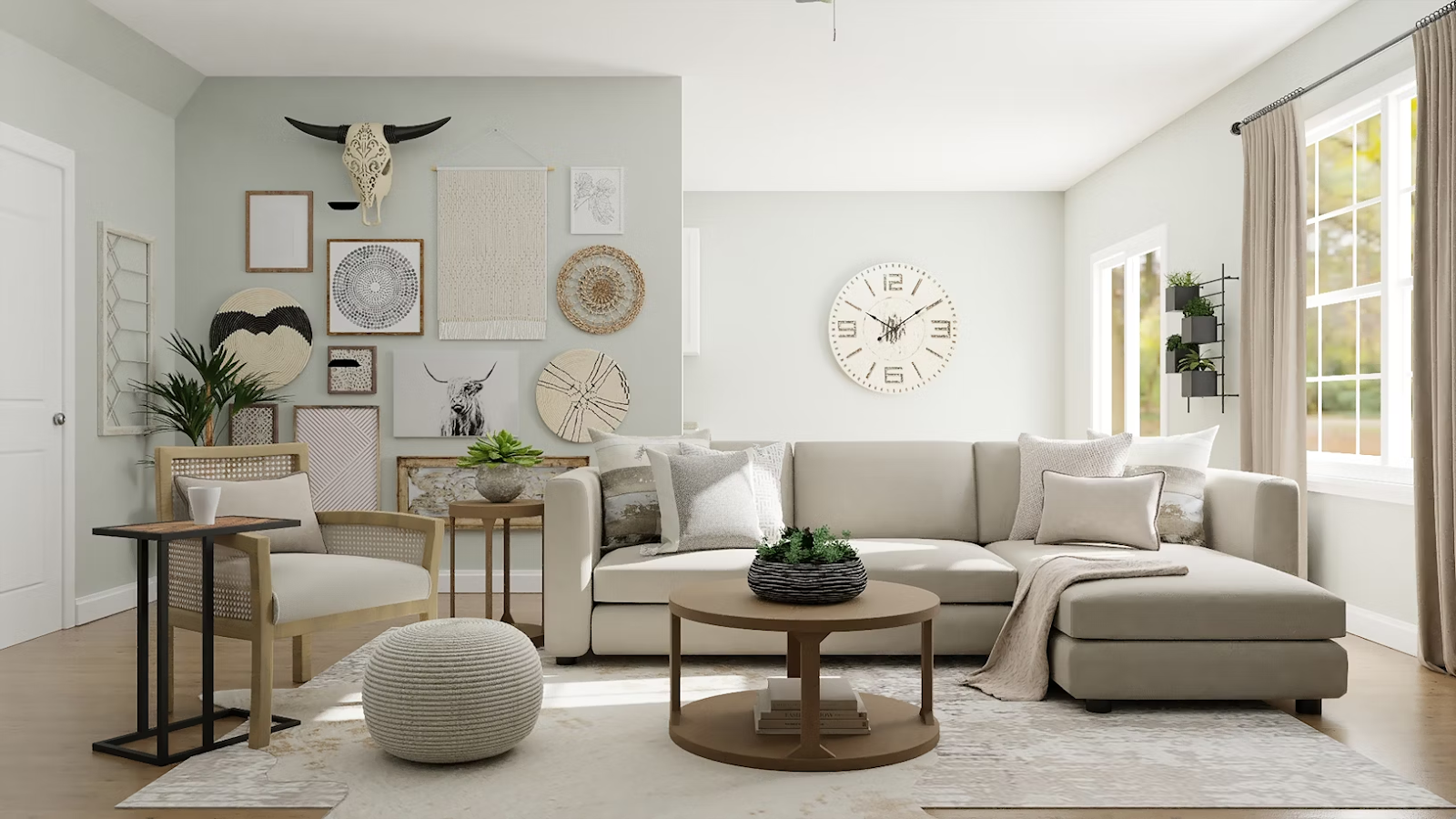
1. The Philosophy of Welcome
At its core, an inviting space emanates psychological safety. It reassures, soothes, and energizes. This philosophy rests on three pillars:
- Biophilic Resonance: Nature’s presence fosters well-being.
- Textural Enchantment: Tactile diversity stimulates the senses.
- Spatial Fluency: Unobstructed flow nurtures ease of movement.
Short sentence.
Comfort counts.
When each design decision orbits around human needs, the result is an environment that feels intuitively hospitable.
2. Embrace Biophilia: Nature’s Warm Embrace
Our species evolved under open skies and rustling leaves. Inviting interiors rekindle that bond:
- Living Walls and Moss Panels: Verdant tapestries that purify air and soften acoustics.
- Statement Plants: Fiddle‑leaf figs, monstera, and snake plants for sculptural greenery.
- Organic Accents: Driftwood stools, riverstone coasters, and terracotta planters.
A synesthetic interplay of green hues and earthen textures underpins Inviting Interior Ideas with life-affirming vitality.
3. Color Psychology: Warmth and Welcoming
Chromatic choices dictate mood. To evoke invitation:
- Warm Neutrals: Cream, greige, and latte create a serene canvas.
- Soft Accents: Blush pinks, muted terracottas, and sage greens whisper calm.
- Pops of Cheer: Citrine yellow throw pillows or coral ceramics spark joy.
Short sentence.
Color matters.
An effulgent palette calibrated to human emotion transforms walls into silent greeters.
4. Textural Symphony: Tactile Allure
Varied textures form a tactile concerto:
- Plush Layers: Bouclé sofas, velvet cushions, and chenille throws invite touch.
- Natural Grounding: Jute rugs, sisal runners, and braided seagrass baskets anchor underfoot.
- Hard-Soft Dialogue: Polished stone countertops juxtaposed with raw-edge wood tables.
When surfaces converse through contrast, Inviting Interior Ideas resonate via every fingertip.
5. Lighting Ambiance: Sculptures of Light
Light is the chameleon of mood. A welcoming glow hinges on layered illumination:
- Ambient Warmth: Dimmable LEDs or cove lighting for even, enveloping radiance.
- Task Precision: Adjustable desk lamps and under‑cabinet strips for functional brightness.
- Accent Drama: Candles, lanterns, and uplights that conjure chiaroscuro shadows.
Short sentence.
Light beckons.
A carefully choreographed lighting plan elevates interiors into dynamic, breathing realms.
6. Furniture Arrangement: Zones of Sociability
Inviting spaces choreograph interaction:
- Conversation Circles: Sofas and chairs arranged in loose ovals foster dialogue.
- Intimate Alcoves: Window seats and reading nooks provide private retreats.
- Flexible Layouts: Modular sofas and lightweight poufs adapt to gatherings both grand and intimate.
By scripting spatial scenarios, Inviting Interior Ideas anticipate human rituals and enhance conviviality.
7. Material Honesty: Authenticity in Surfaces
Genuine materials imbue trust and tactility:
- Solid Wood Finishes: Walnut and oak reveal growth rings and knots.
- Natural Stones: Honed limestone or marble slabs with variegated veins.
- Handcrafted Ceramics: Unglazed terracotta tiles or crackle-glazed vases.
Short sentence.
Authenticity matters.
Honest materials cultivate an atmosphere of grounded hospitality.
8. Soft Furnishings: Layers of Comfort
Textiles are the sartorial elements of interiors:
- Layered Rugs: A wool base topped by smaller kilims or vintage dhurries for depth.
- Multi‑Fabric Cushions: Velvet, linen, and faux fur in complementary hues.
- Drapery Drama: Floor‑grazing linen curtains, casually pooled for languid luxury.
By wrapping spaces in textile strata, Inviting Interior Ideas cocoon inhabitants in cozy bliss.
9. Sensory Enrichment: Beyond the Visual
Truly inviting interiors engage all senses:
- Aromatic Nuance: Scented candles in sandalwood, bergamot diffusers, or fresh eucalyptus bundles.
- Auditory Calm: Soft background music or a tabletop fountain’s gentle murmur.
- Thermal Comfort: Radiant-floor heating or tactile throws for temperature control.
Short sentence.
Senses matter.
A synesthetic approach elevates mere rooms into multisensory retreats.
10. Accessory Curation: Personal Flourishes
Decorative objects humanize spaces:
- Curated Vignettes: Groupings of books, ceramics, and sentimental trinkets.
- Artful Displays: Commissioned prints, botanical sketches, or black‑and‑white photography.
- Textural Accents: Woven baskets, leather trays, and metal sculptures.
Every accessory, chosen with intention, amplifies Inviting Interior Ideas through storytelling.
11. Architectural Nuance: Built‑In Welcome
Permanent features set the stage:
- Window Seats: Built‑in benches beneath bay windows, softened with cushions.
- Niche Lighting: Integrated LEDs in alcoves to highlight cherished objects.
- Coffered Ceilings: Intricate woodwork that imparts depth and tactile interest.
Short sentence.
Architecture greets.
These enduring elements reinforce a sense of thoughtful invitation.
12. Scale and Proportion: Human‑Centered Design
Furniture and decor must speak human scale:
- Comfort Heights: Seat depths and table elevations calibrated to ergonomic standards.
- Visual Anchors: Rugs that extend beyond furniture footprints for grounded arrangements.
- Proportional Drama: Oversized art balanced by petite side tables to avoid visual dissonance.
When every dimension aligns with corporeal comfort, Inviting Interior Ideas feel instinctively apt.
13. Color Contrast: Dynamic Harmony
Contrast enlivens without discord:
- Light-Dark Dialectic: A chalk-white wall against a charcoal sofa.
- Warm-Cool Dialogue: A blush-pink armchair on a slate-gray rug.
- Gloss-Matte Interplay: Glossy pendant lights above a matte wood island.
Short sentence.
Contrast captivates.
Strategic juxtapositions animate interiors while maintaining cohesion.
14. Flexible Functionality: Adaptable Comfort
Inviting spaces adapt to evolving needs:
- Multipurpose Furniture: Sofa beds, nesting tables, and storage ottomans blend form and utility.
- Sliding Partitions: Fabric screens or barn doors modulate openness.
- Mobile Accents: Casters on planters or side tables for effortless reconfiguration.
By anticipating fluid usage, Inviting Interior Ideas ensure perennial hospitality.
15. Biophilic Light: Daylight Maximization
Sunlight is the ultimate inviter:
- Sheer Treatments: Linen voiles that softly filter beams.
- Reflective Surfaces: Mirrors and glass to bounce daylight into recesses.
- Skylights and Clerestories: Passive sources that flood interiors with natural radiance.
Short sentence.
Daylight nurtures.
Harnessing the sun’s benevolent glow underscores the allure of Inviting Interior Ideas.
16. Color Temperature: Warm vs. Cool Ambiances
Light temperature influences mood:
- Warm 2700K–3000K: Incandescent-like glow for living areas.
- Neutral 3500K–4000K: Crisp daylight for task zones.
- Cool 5000K+: Avoid in intimate spaces; reserve for utility areas.
Mixing temperatures with purpose amplifies the emotional resonance of an inviting interior.
17. Personalization: Identity and Invitation
Homes feel inviting when they mirror their inhabitants:
- Travel Mementos: Ethnographic textiles, tribal masks, or local pottery.
- Family Heirlooms: Worn leather trunks, faded quilts, or vintage frames.
- DIY Accents: Hand-knotted macramé or commissioned murals.
Short sentence.
You matter.
Personal narratives saturate Inviting Interior Ideas with authentic warmth.
18. Acoustic Comfort: Soundscape Design
Peaceful interiors attend to acoustics:
- Soft Barriers: Upholstered panels and layered rugs to quell echoes.
- Sound Masking: White noise machines or tabletop water features.
- Speaker Integration: In‑wall systems for seamless audio distribution.
Sound harmony is the silent host that ensures every invitation is kept.
19. Common Pitfalls and Remedies
- Over‑Cluttering: Too many objects overwhelm.
Remedy: Embrace negative space; edit ruthlessly. - Harsh Lighting: Glare repels.
Remedy: Layer lights; use diffusers and dimmers. - Mismatched Scales: Furniture dwarfs or vanishes.
Remedy: Sketch outlines; maintain human-centric proportions. - Sterile Minimalism: Cold emptiness feels alienating.
Remedy: Layer textures and introduce personal artifacts.
Short sentence.
Balance is key.
By avoiding these missteps, Inviting Interior Ideas flourish intact.
20. Case Studies: Inviting Transformations
20.1 The Hygge‑Inspired Living Room
Soft gray walls, a deep-seated boucle sofa, and layered sheepskin throws. Flickering candles on a hand-hewn coffee table. A low fireplace framed by driftwood mantels. Result: a quintessentially inviting, Danish‑inflected haven.
20.2 The Botanical Breakfast Nook
Woven wicker chairs around a live‑edge wood table. Pecky cypress paneling and trailing ivy in wall-mounted urns. A morning light–maximizing skylight above. This compact corner feels both energizing and intimate.
20.3 The Multifunctional Studio Loft
Murphy bed with integrated desk, plush velvet daybed, and a moss-panel feature wall. Mobile shelving units delineate work and rest zones. Soft pendant clusters above a repurposed timber bar. The space pulses with hospitality despite its modest footprint.
Each vignette exemplifies how Inviting Interior Ideas can adapt to diverse contexts.
21. Step‑by‑Step Blueprint for Inviting Interiors
- Define Emotional Goals: Cozy conjuration or airy conviviality?
- Map Activities: Identify lounging, dining, working, and napping zones.
- Select a Cohesive Palette: Choose 2 neutrals, 2 accents, and texture anchors.
- Curate Core Furniture: Prioritize ergonomics and tactile appeal.
- Layer Textiles: Rugs, throws, curtains—vary fabric weights and weaves.
- Plan Lighting: Assign ambient, task, and accent sources; install dimmers.
- Integrate Biophilia: Choose statement plants and organic accents.
- Deploy Mirrors: Expand perceived volume and daylight reach.
- Personalize: Add heirlooms, artwork, and bespoke crafts.
- Edit Ruthlessly: Remove elements that clash or crowd.
Short sentence.
Iterate.
This protocol ensures every element contributes to the invitation.
Interior design that truly feels inviting transcends surface-level prettiness. It’s a choreography of textures, light, color, sound, and personal narrative. By weaving together Inviting Interior Ideas from biophilic touches to layered textiles and sensory enrichment—homes become sanctuaries of warmth and welcome. Embrace the art of invitation, and craft spaces that don’t just look beautiful—they feel like home.



More Stories
Revive Your Space: 5 Styling Hacks to Transform Any Room
10 Innovative Design Ideas to Transform Any Space from Ordinary to Extraordinary
2024’s Most Unexpected Interior Trends That Will Surprise You