
Furniture Ideas That Create Harmony harmony at home isn’t just about layout or lighting it’s deeply connected to the furniture that fills each space. The right pieces communicate balance, evoke calm, and invite a sense of completeness that resonates on both visual and emotional levels. In a world that constantly pulls in every direction, our interiors should be places of alignment, where every element speaks the same serene language. That’s where Harmony Creating Furniture becomes the unsung hero of intentional design.
From the smooth curve of a chair to the textured whisper of a woven bench, these pieces do more than function—they elevate the atmosphere. Let’s explore how you can use furniture to compose a home that sings in soft, satisfying chords of cohesion.
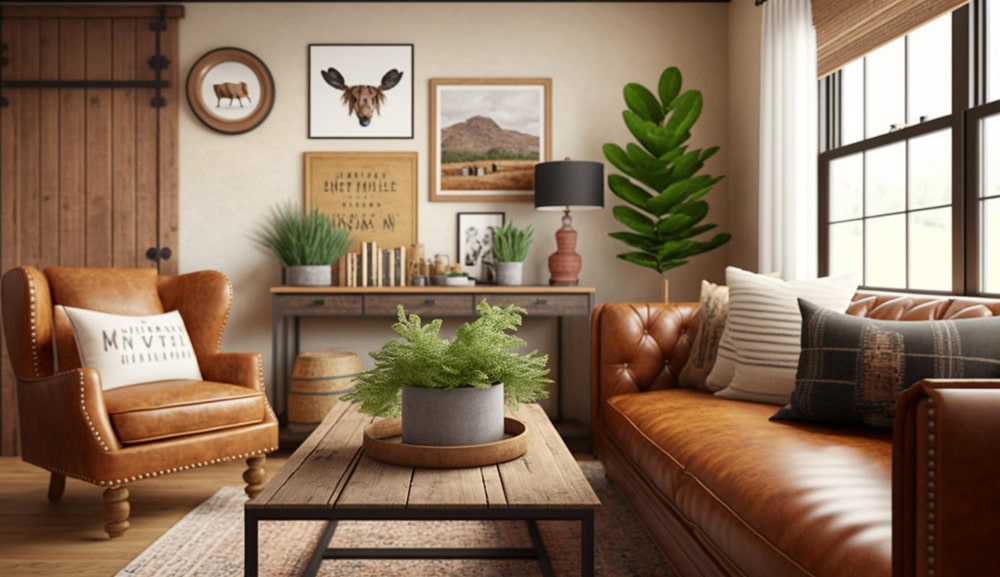
Living Room: The Foundation of Flow
A harmonious home begins with a cohesive living room—a space that reflects unity, clarity, and warmth.
Unified Seating Arrangements
Choose seating pieces that communicate with one another, not just coexist. Sofas and chairs should echo in tone and texture without matching exactly.
- A soft cream sofa paired with tan leather accent chairs
- Wood-framed armchairs with cushions in organic cotton
- Sectionals with modular arms to allow different arrangements
What matters most is the rhythm between each piece. Avoid clashing silhouettes or overly bold contrasts. Subtle variations within the same tonal family create balance and keep the energy fluid—core principles of Harmony Creating Furniture.
Coffee Tables with Connection
Instead of a singular heavy block, opt for a coffee table with an open frame or split components that echo the lines of other items in the room. Wood, glass, and metal should be mixed wisely.
- A glass tabletop with a light oak base
- Nested tables that offer flexibility while maintaining visual order
- Tables with rounded corners to soften transitions
These subtle shifts in form allow the eye to glide easily from one element to the next.
Shelving and Display Harmony
Display pieces—like bookshelves and media units—shouldn’t dominate. Choose floating units or those with slatted fronts or open cubbies to reduce visual weight.
- Keep decorative items in rhythm with each other—odd-numbered groupings, consistent color palettes, and varied heights work well
- Incorporate greenery or pottery to soften the scene
The overall goal is unbroken flow, where every visual line and object feels in tune—hallmarks of Harmony Creating Furniture.
Bedroom: A Gentle Symphony of Stillness
The bedroom is a place of reprieve. Every furniture choice should hum in a quiet tone, never shouting for attention but always contributing to the chorus of calm.
Beds That Ground and Float
A harmonious bed strikes the balance between being the anchor of the room and a soft invitation to rest.
- Platform beds in matte wood finishes—ash, oak, or birch
- Upholstered headboards in muted tones such as fog, sage, or warm ivory
- Rounded or slightly winged edges to cradle the space
A well-chosen bed is a signature of Harmony Creating Furniture—a piece that centers the room without overpowering it.
Coordinated Nightstands
Nightstands should feel like extensions of the bed, not foreign objects beside it. Instead of symmetry for the sake of it, consider pairing complementary, not identical, tables.
- A slim drawer-and-shelf combo on one side, a minimalist pedestal table on the other
- Finish consistency: similar wood tones or matching hardware unify different shapes
- Include warm accent lighting to maintain a consistent emotional tone
These subtle design choices contribute to balance and functional grace.
Integrated Storage
Choose low, horizontal dressers or wardrobe systems that blend into the architecture of the room. Handles should be flush or hidden. Surfaces should remain uncluttered.
Less is more when it comes to harmony. Storage, while practical, should never visually dominate a room designed for rest.
Dining Room: Together in Balance
A space for gathering needs to feel harmonious not just in layout, but in emotion. Furniture in this room must foster ease, connection, and quiet celebration.
Centered Dining Tables
Harmony often stems from geometry. Choose round or softly rectangular tables with tapered or pedestal bases.
- Soft matte finishes in natural woods or muted terrazzo
- Tones that tie back to the flooring or trim of the room
- Avoid glass in busy dining zones—opt for something that absorbs energy, not reflects it
Tables like these aren’t just functional; they’re epicenters of shared experiences and core symbols of Harmony Creating Furniture.
Chairs in Unison
Dining chairs should match in mood, even if they differ slightly in form.
- All wood with varied back designs
- Mix of two materials—rattan and wood or upholstered and metal—but in the same color scheme
- Rounded backs or gentle tapering bring a calming energy
Harmony doesn’t mean uniformity—it means resonance.
Storage and Display that Supports
Buffets, credenzas, and hutches should echo the table’s materiality. Keep lines straight but soft, finishes warm but matte. Introduce texture with cane doors or subtle ridges.
These pieces ground the room and store essentials, all while supporting the harmony of the overall aesthetic.
Kitchen: Function Meets Flow
The kitchen might be a hive of activity, but that doesn’t mean it can’t be serene. Harmony here comes from integration and unobtrusive function.
Harmonious Islands and Stools
If you have a kitchen island, make it a hub—not a fortress. Waterfall edges, natural stones, and soft contours encourage inclusion.
- Pair with stools that vanish when tucked in
- Wooden or upholstered seats in neutral tones
- Avoid sharp metal or loud industrial finishes
These choices blend comfort with utility—key to Harmony Creating Furniture.
Open Shelving and Tidy Nooks
Incorporate floating wood shelves or slim cabinetry that align perfectly with adjacent furniture. Keep the palette consistent across surfaces—no abrupt material changes.
If possible, add a kitchen nook with a built-in bench and round table. It’s a quiet zone within the busy zone.
Seamless Storage Solutions
Hidden pantries, pull-out drawers, and integrated appliances maintain clean lines. Handles should be minimal or recessed. When everything has a place—and looks like it belongs—harmony thrives.
Office: Calm Focus Through Thoughtful Design
The home office should be a sanctuary for concentration. Instead of traditional cold desks and rigid chairs, look to tactile materials and rounded edges.
Balanced Workstations
Desks with natural wood grains or a painted matte finish encourage calm productivity. Tapered legs and modest proportions keep the energy light.
- Built-in cable management and hidden drawers reduce clutter
- Avoid high-gloss or reflective surfaces
The best workspaces are built from Harmony Creating Furniture—furnishings that help you think more clearly by simply existing beautifully.
Comfortable Seating with Style
Opt for ergonomics disguised in softness. Upholstered task chairs in subdued colors bring relief and style.
- Consider curved backs with lumbar support
- Mix tactile fabrics like bouclé or soft felt with smooth wood frames
Harmony is found when comfort meets aesthetic cohesion.
Storage with Silence
Use open shelves paired with closed cabinetry. Materials should echo the desk or other items in the room. Think about acoustics too—soft rugs and wall panels help mute distractions.
Bathroom: Spa-Like Serenity
Bathrooms aren’t just functional—they’re microcosms of relaxation. Furniture and fixtures here should be spa-inspired.
Floating Vanities
Wall-mounted vanities create a sense of airiness. Choose stone tops and smooth woodgrain finishes.
- Underlighting adds a magical float effect
- Integrated basins maintain smooth surface transitions
Harmony thrives when the bathroom feels like a single cohesive object rather than many disjointed parts.
Benches and Storage Ladders
Add a teak or bamboo bench under a window. Include a leaning ladder for towels. These items serve functional needs while enhancing mood.
Every piece in this space should add softness and flow, embodying the essence of Harmony Creating Furniture.
Entryway: First Impressions of Balance
The entryway sets the tone. Make it matter.
Welcoming Benches
Choose a low, upholstered bench with warm legs and a soft fabric. It invites guests to pause and immediately introduces tranquility.
Pair it with a large round mirror and slim console to reflect light and balance proportions.
Gentle Storage
Baskets beneath the bench. A small wall-mounted shelf for keys. Hooks that match the hardware of nearby furniture.
Visual order here is key. It whispers calm from the moment you walk in.
Children’s Spaces: Gentle Growth Through Design
Kids thrive in environments that support their sensory needs. Harmony in their spaces fosters emotional regulation and creativity.
Calm Color Choices
Avoid loud primaries. Choose sage green, dusty pink, muted blues, and sand.
Soft-Edged Furniture
Rounded cribs, Montessori-style shelves, and low-to-the-ground reading nooks create comfort and accessibility.
- Use toy storage that’s soft-closing and built with natural wood
- Avoid overstimulation with built-in lighting and minimal wall art
With pieces that are gentle in both form and function, children’s rooms benefit just as much from Harmony Creating Furniture.
Outdoor Areas: Nature-Inspired Balance
Bringing harmony outdoors connects inner peace with the world around you.
Lounge Zones with Texture
Use rattan, teak, and weatherproof fabric in warm greys or olive greens.
- Choose curved sectionals or Adirondack-style chairs that hug the body
- Low-profile coffee tables made from stone or concrete create stability
Create microzones—one for dining, one for reclining. Use rugs and planters to define the spaces organically.
Subtle Illumination
Lanterns, solar string lights, or recessed deck lighting allow for a soft glow after sunset. The space remains functional but never harsh.
Harmony outside reflects harmony inside. One supports the other.
Materials and Finishes That Harmonize
Furniture harmony isn’t only about the object—it’s also about what it’s made of.
Natural Materials
Wood, rattan, linen, cotton, wool, ceramic, leather—these materials add richness without conflict. They age gracefully and reflect nature’s effortless order.
Soft Finishes
Avoid gloss. Choose matte, brushed, oiled, or honed finishes for a calming aesthetic.
Color Coordination
Stick to a core palette. Add interest with texture, not color. Soft neutrals and organic tones make mixing and matching feel natural.
Harmony at home is a feeling. It’s a sense of coherence between shapes, shades, materials, and emotions. The secret lies in intentional choices the curve of a table leg, the softness of a seat, the echo between a shelf and a stool. Through thoughtful curation and a focus on how each item plays with the next, a truly harmonious home comes to life.
Harmony Creating Furniture isn’t simply about design. It’s about the atmosphere it fosters, the energy it preserves, and the peace it offers day after day, room after room.



More Stories
Elevate Your Space: A Journey Through Timeless Furniture Styles for Every Home
Furniture Trends 2024: Where Function Meets the Fantastic
Reimagining Comfort: Unconventional Furniture Ideas for Every Space