
Warm Lighting Tips for Inviting Spaces a well‑lit room feels like a comforting embrace. The right glow—soft, diffused, and gently effulgent—can metamorphose sterile interiors into havens of warmth. Mastering inviting space lighting isn’t merely about brightness. It’s an alchemy of color temperature, fixture placement, layering, and material interplay. This guide unveils a tapestry of expert strategies—from uncanny penumbral techniques to biophilic luminance—that will help you craft spaces so welcoming they beckon you to linger.
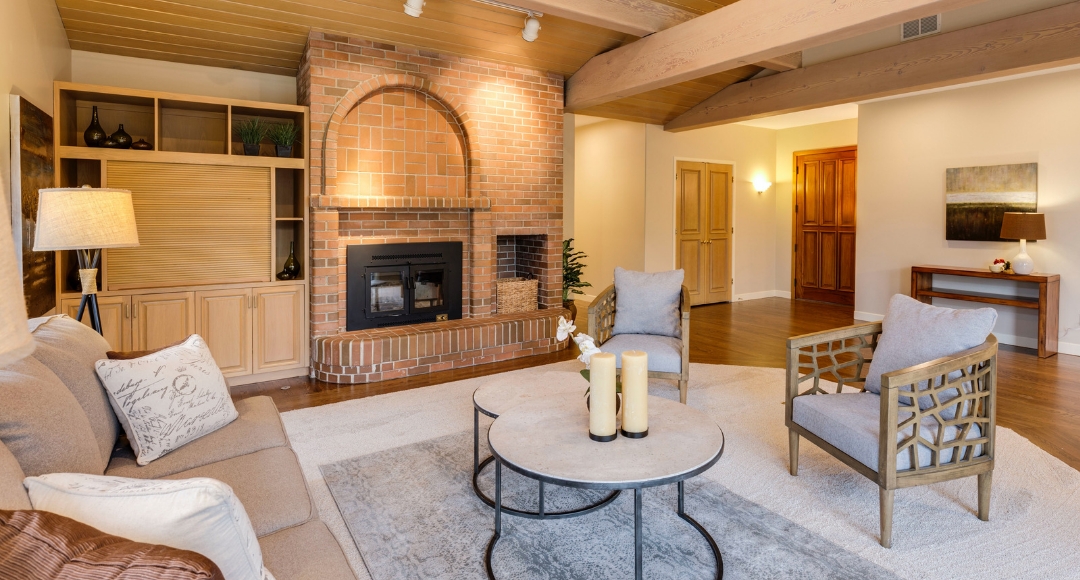
1. Prioritize Warm Color Temperatures
Color temperature, measured in Kelvin (K), profoundly influences mood:
- 2200–2700K (Amber Glow): Evokes candlelit intimacy. Perfect for living rooms and bedrooms.
- 2700–3000K (Soft White): Balances warmth with clarity—ideal for dining rooms and lounges.
- 3000–3500K (Neutral White): Maintains a cozy feel while supporting tasks. Suitable for kitchens and home offices.
High‑CRI, dim‑to‑warm LED bulbs allow you to dial from crisp clarity to embracing amber, ensuring every moment in your abode resonates with the right emotional timbre.
2. Layer Your Lighting Scheme
A singular overhead fixture leaves shadows and dead zones. Instead, compose three complementary layers:
- Ambient Light
- Provides foundational illumination.
- Sources: recessed cans with opal diffusers, cove strips hidden in crown mouldings, or semi‑flush mounts with linen shades.
- Task Light
- Focused beams for activities: reading, cooking, or crafting.
- Sources: adjustable desk lamps, under‑cabinet LED tape, and swing‑arm wall sconces.
- Accent Light
- Highlights artworks, architectural niches, or potted greenery.
- Sources: track‑mounted mini spotlights, picture lights, and micro uplights.
Interlacing these layers banishes harsh contrasts, fostering a soft chiaroscuro that underpins any inviting space lighting plan.
3. Embrace Diffusion: Soften Every Beam
Sharp beams can feel clinical. Utilize diffusers and fabric shades to whisper light rather than shout it:
- Frosted Glass Globes: Scatter luminance into a gentle sphere.
- Linen Drum Shades: Impart a subtle, textured haze.
- Opal Acrylic Panels: Conceal diodes and create an opalescent glow.
Smoky or sandblasted surfaces break point sources into enveloping pools, nurturing a languid, homely atmosphere.
4. Harness Cove and Tray Ceilings
Concealed cove lighting is alchemical. When LED strips reside out of sight, their uplight transforms ceilings into soft, luminous canvases:
- Perimeter Coves: LED tape nestled in crown mouldings uplifts ceilings, giving the impression of floating planes.
- Tray Ceiling Inlays: Lights recessed within dropped ceiling trays create a halo that expands perceived volume.
- Color‑Morphing Options: RGBW systems allow seasonal or mood‑driven shifts from warm amber to cool teal.
These architectural interventions yield a pervasive glow, integral to achieving truly inviting space lighting.
5. Integrate Mirror Multipliers
Reflective surfaces act as optical accelerants:
- Full‑Length Leaners: Propped opposite windows or key fixtures, these double ambient lumens.
- Mirrored Furniture: Console tables and cabinets with reflective fronts scatter light laterally.
- High‑Gloss Accents: Polished lacquer walls or metallic trims refract and refrange beams for scintillating complexity.
Handle reflectors judiciously; too many can feel disorienting, but a well‑placed mirror can halve the number of fixtures required.
6. Utilize Uplighting for Soft Drama
Uplighting banishes gloomy niches and imbues height:
- Floor Uplighters: Tucked behind sofas or planters to cast gentle rays upward, sculpting soffits and revealing decorative beams.
- Recessed In‑Floor Fixtures: Embedded in tile or hardwood, these discreet sources will softly wash vertical surfaces.
- Tabletop Uplighters: Mini cylinder lamps on console tables that project a vase or sculpture’s silhouette onto the wall.
Such light reverses convention, imbuing ordinary corners with a sense of grandeur and inviting space lighting flair.
7. Statement Pendants and Sculptural Fixtures
A single, show‑stopping pendant can define a mood:
- Organic Glass Forms: Handblown orbs with molten striations cast refracted patterns.
- Linear Cluster Pendants: Multiple bars or rings suspended at staggered heights for kinetic alignment.
- Geometric Cage Chandeliers: Metal frameworks that reveal bulbs, emphasizing filament artistry.
These fixtures act as a habitat’s crown jewels, instantly directing attention skyward and evoking awe.
8. Accent with Track Lighting
Track systems provide adaptability and precision:
- Monorail Magnetic Tracks: Magnetic heads attach and detach effortlessly, letting you rearrange accents on the fly.
- Flexible Track Heads: Slide them along tracks to highlight evolving art displays or fresh focal points.
- Accent Ray Filters: Clip‑on lenses narrow or broaden beams as desired.
A versatile track reinforces an ever‑dynamic approach to inviting space lighting, accommodating shifts in décor over time.
9. Incorporate Candlelight and Lanterns
Nothing rivals the flicker of flame:
- Glass Hurricane Lanterns: Pillar candles within glass cylinders offer stable, safe drips while casting placid pools of light.
- Flameless LED Candles: Realistic flicker patterns, rechargeable bases, and no soot.
- Lantern Groupings: Wrought‑iron or wicker lanterns in clusters evoke folkloric charm.
Layer these ember‑like accents atop the foundational lighting to foster transcendently cozy enclaves.
10. Biophilic Luminance Integration
Lighting and living greenery converge for profound serenity:
- Backlit Plant Stands: LEDs beneath pots cast verdant silhouettes, animating leaf patterns on walls.
- Dappled Canopy Effects: Gobo projectors filter beams through leaf‑shaped templates, mimicking sun-dappled glades.
- Grow‑Light Accent Bars: Tunable spectrum bars support plant health while serving as stylish, heirloom‑worthy fixtures.
Biophilic strategies align the home with the natural world, a potent route to inviting space lighting.
11. Under‑Furniture Underglow
Subsurface illumination dissolves boundaries:
- Sofa Skirt Lighting: LED strips hidden beneath low‑profile seating create a floating effect and gentle foot‑level guidance.
- Floating Bed Bases: Disguised underglow lends bedrooms a spa‑like, ethereal quality.
- Bench and Console Glows: Under mounting surfaces to define pathways and enhance sculptural furniture lines.
Ground‑level light anchors design, sculpting ambient zones with subtle sophistication.
12. Accent with Miniaturized Spots
Small-scale fixtures yield mighty impact:
- Micro Puck Lights: Adhesive, battery‑powered discs nestle under shelves or inside cabinet interiors.
- Laser‑Cut Mini‑Spots: Precision beam control to drench succulents or curios in intimate radiance.
- Fiber‑Optic Spot Pods: Weave hair‑fine filaments through ceilings for pinpricks of starlit perfection.
Miniaturization allows pinpoint accenting, vital for layering and detail.
13. Color Accents and Chromatic Ambiance
Subtle hues inject memorable flair:
- Pastel Cove Washes: Mint, rose, or lavender washes hidden in architectural coves for serene vignettes.
- Jewel‑Tone Spots: Emerald, sapphire, or amethyst accent lights in media rooms or alcoves evoke sumptuous lounge settings.
- Bi‑Color Strips: Switchable from warm white to muted teal for mood modulation at will.
Chromatic nuances layer emotional complexity atop fundamental inviting space lighting.
14. Smart Controls and Preset Scenes
Technology curates comfort:
- App‑Programmable Dimming: Group fixtures into zones—“Breakfast Glow,” “Relaxed Hearth,” “Crescendo” for dinner parties.
- Voice Activation: “Set bedroom to 30% warm white” for seamless transitions.
- Adaptive Sensors: Motion‑triggered pathway lights that respond to movement only when needed.
Smart systems personalize ambiance, ensuring your ideal glow is always at your fingertips.
15. Seasonal and Event‑Driven Schemes
Rotate lighting schemes with the calendar:
- Autumn Ambience: Dim‑to‑warm low settings and lantern clusters to echo harvest evenings.
- Winter Radiance: Crisp cool whites in entryways to counter bleak skies; amber candle sconces for holiday warmth.
- Spring Pastels: Gentle lilac or soft mint backlights in transitional rooms.
- Summer Breeze: Aquamarine cove accents or soft sky‑blue path lights for porches.
Contextual variation keeps your spaces fresh and perpetually inviting.
16. Embrace Texture and Reflective Fabrics
Textiles can amplify or diffuse light:
- Sheer Linen Drapes: Filter harsh sun into diaphanous penumbras.
- Velvet Throw Pillows: Catch accent beams in plush highlights.
- Satin Curtains: Reflect gentle uplight for an opulent sheen in formal rooms.
Material interplay refines every ray, deepening the sense of warmth.
17. Maintain Pristine Fixture Health
Upkeep sustains brilliance:
- Dust Diffusers Monthly: A thin layer of dust can reduce output by 15–20%.
- Inspect Drivers and Transformers: Replace aging electronics to avoid flicker or color shifts.
- Rotate High‑Use Bulbs: Equalize hours across fixtures to prolong uniform life spans.
Consistent maintenance ensures your inviting space lighting retains its initial allure.
18. Optimize Fixture Placement
Precise positioning maximizes effect:
- Pendant Drop Height: 28–32 inches above tables; 30–36 inches over islands.
- Sconce Center Height: 60–66 inches off the floor aligns with eye level.
- Task Light Angle: Position desk lamps on the opposite side of your dominant hand to minimize casting shadows.
Placement is as critical as fixture choice in crafting a well‑lit sanctuary.
19. Combine Matte and Gloss Finishes
Contrast creates visual interest:
- Matte Black Fixtures: Absorb stray light, defining sharp beams and silhouettes.
- Glossy Brass or Copper: Reflect ambient glow, adding ashen highlights.
- Etched Glass: Softens point sources into opaline, mood‑enhancing spheres.
Textural contrast heightens perceived warmth and depth.
20. Conduct a Lighting Audit
A thorough review clarifies needs:
- Map Luminaire Zones: Identify ambient, task, accent, and decorative lighting.
- Measure Lux Levels: Ensure task areas meet recommended thresholds and ambient zones remain cozy.
- Evaluate Color Consistency: Replace mismatched bulbs for uniform Kelvins and CRIs.
- Adjust and Iterate: Walk through preconfigured scenes at different times to fine‑tune the emotional effect.
An audit elevates your scheme from scattershot to inviting space lighting mastery.
Crafting spaces that radiate warmth and welcome requires both art and science. By layering ambient, task, and accent sources; embracing warm color temperatures and diffused beams; and integrating smart controls, biophilic cues, and seasonal variations, you can create interiors suffused with comfort and charisma. Deploy these inviting space lighting strategies to turn everyday rooms into sanctuaries of glow, where every corner beckons and every moment feels beautifully illuminated.



More Stories
How to Evaluate Information on the Internet
The Best Places to Install Retractable Screens Around Your Home
Illuminate Your Space: Creative Home Lighting Ideas for Every Mood